Introduction
Tissue allografts are an important option in modern medicine—especially in orthopedics, sports medicine, dental procedures, and reconstructive surgery. An allograft is tissue donated from one person to another, typically recovered through a regulated donation process and prepared by a tissue bank. For many patients, allografts can help restore function, support healing, and reduce the need for additional surgery.
Below, we’ll walk through the key advantages of tissue allografts, how they compare to other graft options, and why they’re commonly used in a wide range of procedures.
What Are Tissue Allografts?
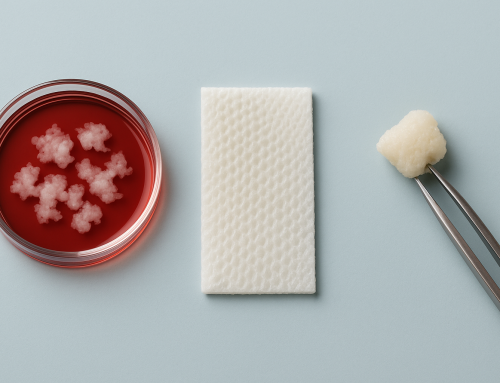
A tissue allograft is human tissue transplanted from a donor to a recipient. Depending on the medical need, allografts can include:
- Bone grafts (e.g., chips, putty, structural grafts)
- Tendon and ligament grafts (often used in sports medicine)
- Skin grafts (commonly used for burn care and wound coverage)
- Cartilage and soft tissue grafts (used in reconstructive applications)
Allografts are different from autografts (tissue taken from the patient’s own body) and from synthetic graft materials. Each option has a place in care, but allografts offer several unique advantages.
Key Advantages of Tissue Allografts
1) No Donor Site Surgery (and Less Pain)
One of the biggest benefits of tissue allografts is that they eliminate the need to harvest tissue from the patient. With autografts, surgeons may need to take bone, tendon, or skin from another area of the body—creating a second surgical site.
By avoiding donor site harvesting, allografts can reduce:
- Postoperative pain related to the harvest site
- Bleeding and scarring from a second incision
- Risk of donor-site complications (such as infection or weakness)
This is especially meaningful for patients who want a smoother recovery or who may already be dealing with multiple injuries or complex health concerns.
2) Shorter Operating Time
Since the surgeon doesn’t need to remove tissue from the patient, procedures using tissue allografts can often be completed more efficiently. Shorter operating time can be a practical advantage for both the patient and the surgical team.
In many settings, reduced time in surgery may be associated with:
- Less time under anesthesia
- Potentially lower overall surgical stress on the body
- More predictable procedure flow
While outcomes depend on the procedure and the individual, efficiency in the operating room is one reason clinicians frequently consider allografts.
3) Readily Available Tissue in a Range of Sizes and Types
Another strong advantage of tissue allografts is availability. Tissue banks can provide grafts in various shapes, sizes, and configurations—helpful when surgeons need a specific graft type or when a patient’s own tissue isn’t suitable.
Examples include:
- Structural bone segments for larger defects
- Pre-sized bone chips or demineralized bone matrix for filling gaps
- Tendon grafts of different lengths and thicknesses for ligament reconstruction
This flexibility can be particularly valuable in revision surgeries, complex trauma cases, or situations where the patient’s tissue quality is limited.
4) Helpful for Patients with Limited Autograft Options
Not every patient is an ideal candidate for autograft harvesting. Tissue allografts can be advantageous for individuals who:
- Have insufficient donor tissue available
- Have osteoporosis or reduced bone quality
- Are older or have medical conditions that increase surgical risk
- Need a larger volume of graft material than is practical to harvest
In these cases, allografts may allow the care team to move forward with reconstruction or repair while minimizing added burden on the patient’s body.
5) Strong Track Record in Common Procedures
Tissue allografts have been used for decades across many specialties. In orthopedics and sports medicine, for example, allograft tendons are commonly used for ligament reconstructions and complex repairs. In dentistry and oral surgery, bone allografts are frequently used to support ridge preservation and implant preparation.
Because they’re widely used, many surgeons are familiar with the handling characteristics and best practices that help support good outcomes.
6) Reduced Tissue Trauma and Potentially Faster Early Recovery
By avoiding a second surgical site, patients often experience less overall tissue trauma. While every recovery is different, fewer surgical sites may mean:
- Less overall soreness in the weeks after surgery
- Simpler wound care (one primary site instead of two)
- Easier early mobility in certain procedures
It’s important to note that healing timelines still depend on the type of graft, the surgical technique, and the patient’s rehabilitation plan. But for many people, the “one-site” approach is a meaningful comfort and convenience benefit.
Safety and Screening: What Patients Should Know
It’s normal to have safety questions about donated tissue. Tissue allografts in many countries are governed by strict standards. Reputable tissue banks use layered screening and testing processes that can include:
- Donor medical and social history review
- Physical assessment and recovery protocols
- Laboratory testing for infectious diseases
- Controlled processing, sterilization methods (when appropriate), and traceability
No medical product is risk-free, but modern screening and quality systems are designed to make the use of allografts as safe as possible. If you’re considering a procedure involving an allograft, ask your surgeon where the tissue is sourced and what standards the tissue bank follows.
Tissue Allografts vs. Autografts vs. Synthetic Options
Choosing a graft type is rarely one-size-fits-all. Here’s a simple way to think about the differences:
- Allograft (donor tissue): No harvest site, often shorter surgery, broad availability; may have different incorporation characteristics depending on graft type and processing.
- Autograft (your own tissue): No donor tissue involved and often excellent biological compatibility; requires additional surgery and may increase pain or complications at the harvest site.
- Synthetic materials: Consistent supply and no donor tissue; performance and suitability vary by material and indication, and may not replicate natural tissue properties in the same way.
Your surgeon will weigh factors like your anatomy, activity level, injury severity, infection risk, prior surgeries, and the specific goals of the procedure.
When Tissue Allografts Are Commonly Used
Tissue allografts appear in many care plans, including:
- Orthopedic bone grafting for fractures, spinal fusion support, and filling bone defects
- Sports medicine procedures such as ligament and tendon reconstruction (especially in complex or revision cases)
- Dental and oral surgery to rebuild bone volume for implants or to preserve the jaw ridge
- Wound care and burns where skin allografts may provide temporary coverage and support healing
- Reconstructive surgery requiring structural or soft tissue support
Not every patient needs an allograft, but for many procedures, it’s a reliable and well-established option.
Conclusion
The advantages of tissue allografts are clear: they can reduce surgical trauma by eliminating donor site harvesting, shorten operating time, and offer flexible graft options for a wide range of clinical needs. With modern tissue banking standards and careful surgical planning, allografts continue to play a major role in helping patients restore function and move forward with recovery.
If you’re preparing for a procedure where grafting is part of the plan, a quick conversation with your surgeon about graft choices—including allografts—can help you feel informed and confident about the path ahead.