
Allograft Therapy in Lancaster, Texas
When a wound does not heal properly, it can affect nearly every aspect of daily life. Persistent discomfort, limited mobility, and concern about infection often create ongoing stress for patients and their families. For individuals in Lancaster, TX, access to advanced wound care can be an important step toward restoring health and quality of life—especially when standard treatments have not produced results.
Anchor Wound Management provides specialized wound care services for patients in and around Lancaster and may incorporate cellular tissue product (CTP) therapies, including placental allografting, when clinically appropriate. These advanced therapies are integrated into personalized treatment plans designed to support the body’s natural healing process while addressing the underlying barriers that often prevent wounds from closing.
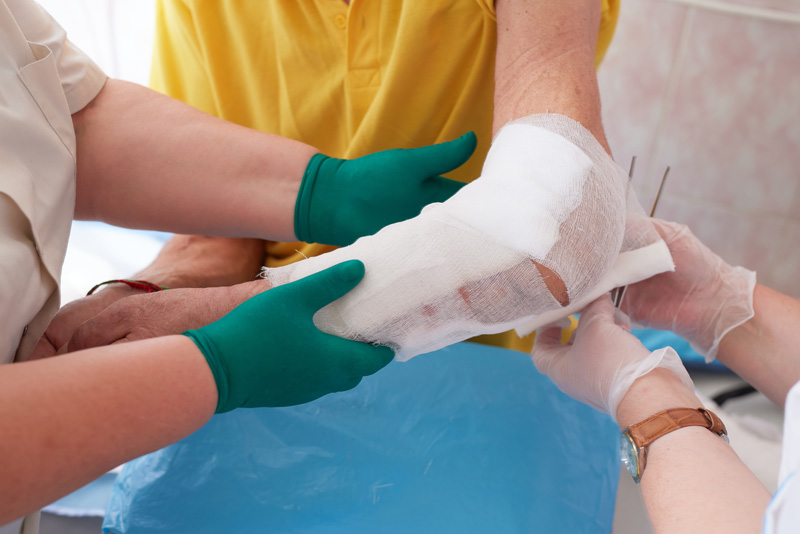
Understanding Chronic and Non-Healing Wounds
Most wounds heal within a predictable timeframe. However, some wounds fail to progress through the normal stages of healing and become chronic. A wound is typically considered chronic when it shows little improvement after several weeks of appropriate care. These wounds often require specialized evaluation and a more advanced treatment approach.
Chronic wounds are rarely caused by a single issue. Reduced circulation, prolonged inflammation, swelling, repeated pressure, or infection can all interfere with healing. Conditions such as diabetes and vascular disease may further complicate recovery and increase the risk of recurrence if underlying factors are not properly addressed.
What Are Cellular Tissue Product (CTP) Therapies?
Cellular tissue product therapies are advanced biologic materials used in modern wound care to help support tissue regeneration. Unlike traditional dressings that primarily protect the wound surface, CTPs are designed to interact directly with the wound bed by providing structural support and biologic signaling that may encourage healing.
These therapies are often considered when conventional wound care methods have not produced sufficient progress. By helping restore balance within the wound environment, cellular tissue products may assist stalled wounds in moving forward through the healing process.
The Role of Placental Allografting in Advanced Wound Care
Placental allografts are among the most commonly used cellular tissue products in advanced wound management. They are derived from donated placental tissue and processed under strict safety and quality standards to preserve beneficial properties while ensuring patient safety.
Placental tissue contains naturally occurring extracellular matrix components and biologic signaling elements involved in tissue repair. When applied to a properly prepared wound bed, placental allografts may help support the transition from chronic inflammation toward active tissue regeneration.
Potential Benefits of Placental Allografting
- Helps regulate excessive inflammation: Chronic wounds often remain inflamed longer than normal.
- Supports granulation tissue formation: Granulation tissue is essential for wound closure.
- Provides a natural scaffold: Encourages cellular migration and tissue rebuilding.
- Supports moisture balance: A stable wound environment promotes healing and comfort.
Placental allografting is not appropriate for every wound. A comprehensive clinical evaluation helps determine whether advanced biologic therapies are indicated based on wound characteristics, circulation, infection status, and the patient’s overall health.
Common Barriers to Wound Healing
Patients seeking wound care in Lancaster, TX often face underlying challenges that interfere with healing. Identifying and managing these barriers is essential for creating an effective treatment plan.
- Impaired circulation: Reduced blood flow limits oxygen and nutrient delivery.
- Diabetes-related complications: Neuropathy and immune system changes slow healing.
- Swelling or venous insufficiency: Fluid buildup weakens surrounding tissue.
- Ongoing pressure or friction: Repetitive stress prevents tissue recovery.
- Infection or bacterial burden: Even low-grade infection can stall healing.
Anchor Wound Management focuses on identifying and addressing these contributing factors whenever possible. Advanced therapies such as cellular tissue products are typically introduced after proper wound bed preparation and optimization of underlying conditions.
Wounds That May Benefit from Cellular Tissue Product Therapies
When clinically appropriate, cellular tissue product therapies may be used to support healing in a variety of wound types, including:
- Diabetic foot ulcers
- Venous leg ulcers
- Pressure injuries
- Non-healing surgical wounds
- Traumatic wounds that are slow to close
These therapies are typically part of a comprehensive care plan that may include debridement, infection management, moisture control, compression therapy when indicated, and offloading or pressure relief strategies.
What Patients Can Expect at Anchor Wound Management
Advanced wound care is an ongoing process rather than a single visit. Patients receive thorough evaluations and regular follow-up appointments so treatment plans can be adjusted as the wound responds to care.
Education is a vital part of care. Patients are guided on wound care at home, pressure management, footwear choices, nutrition, and swelling control. This collaborative approach supports better outcomes and empowers patients throughout the healing journey.
Advanced Wound Care Access for Lancaster, TX
Having access to specialized wound care close to home allows patients in Lancaster to receive timely treatment and consistent monitoring. Early specialty care may reduce complications, prevent infection, and support more efficient healing.
Anchor Wound Management combines clinical expertise with advanced treatment options, including cellular tissue product therapies, to deliver comprehensive, patient-centered wound care for the Lancaster community.
Supporting Healing and Quality of Life
Chronic wounds can affect mobility, independence, and emotional well-being. With the right care plan, meaningful progress is possible. For patients in Lancaster, TX, Anchor Wound Management focuses on safe healing, prevention of recurrence, and long-term tissue health.
Advanced therapies such as placental allografting may provide additional support when standard wound care alone is not enough. The goal is always to help wounds heal and help patients return to daily life with greater comfort and confidence.
About the City of Lancaster, TX
Lancaster, TX is a historic city located in southern Dallas County and one of the oldest communities in the Dallas–Fort Worth Metroplex. Known for its rich history, strong sense of community, and steady growth, Lancaster offers residents a blend of small-town character and convenient access to the greater Dallas area.
The city features established neighborhoods, community parks, and local events that foster civic pride and connection. Lancaster’s downtown area reflects its historical roots while ongoing development continues to support modern living.
With its proximity to major highways and regional healthcare providers, Lancaster residents benefit from access to advanced medical services while maintaining the comfort and familiarity of a close-knit North Texas community.