
Anna, TX Residents – Cellular Tissue Allograft Therapy
A wound that won’t heal can quietly take over your life. It can make walking painful, limit your routine, and create ongoing concern about infection or complications. For patients in Anna, TX, having access to advanced wound care matters—especially when a wound has lingered for weeks or keeps returning.
Anchor Wound Management provides comprehensive care for chronic and complex wounds and may incorporate cellular tissue product (CTP) therapies, including placental allografting, when clinically appropriate. These therapies are designed to support the body’s healing process by improving the wound environment and helping stalled wounds move forward.
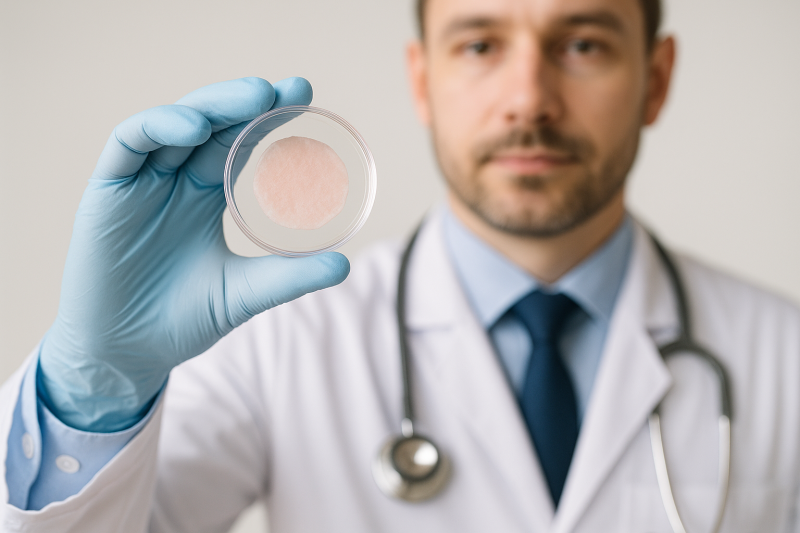
What Are Cellular Tissue Product (CTP) Therapies?
Cellular tissue product therapies are advanced biologic materials used in wound care to encourage healthy tissue repair. Instead of acting like a simple cover, CTPs are used to support the phases of healing—helping the wound bed develop the structure and signals it needs to rebuild. In many cases, chronic wounds struggle because the wound environment becomes unbalanced. Excess inflammation, poor oxygen delivery, swelling, or repeated pressure can prevent normal healing. CTP therapies are one way wound specialists can help restore the conditions needed for steady progress.
Placental Allografting in Wound Care: Why It’s Used
Placental allografts are a commonly used type of cellular tissue product. They are derived from donated placental tissue and processed under strict standards to support patient safety. Placental tissue is known for containing natural components that may be beneficial in wound healing, including extracellular matrix proteins and biologic factors that help guide tissue repair.
Potential Benefits of Placental Allografts
- Supports a healthier wound environment: Helps create conditions where healing can resume.
- Helps manage excessive inflammation: Chronic wounds often stay inflamed, which can slow repair.
- Encourages granulation tissue development: Healthy granulation tissue is a key step toward closure.
- Provides a natural scaffold: May support cell migration and tissue rebuilding in the wound bed.
These therapies are not used as a standalone solution. They are typically part of a complete plan that includes regular assessment, wound bed preparation, and addressing the underlying reasons the wound is not healing.
Why Wounds Become Chronic
Many non-healing wounds aren’t failing because you did something wrong—they’re failing because something deeper is working against the body’s normal repair process. Patients seeking wound care near Anna, TX often have one or more of these common healing barriers:
- Reduced circulation: Limited blood flow can reduce oxygen and nutrients needed for healing.
- Diabetes-related changes: Neuropathy and immune impairment can slow healing and increase risk.
- Swelling and venous insufficiency: Fluid buildup can weaken tissue and delay closure.
- Pressure and friction: Repeated pressure prevents tissue recovery and can worsen breakdown.
- Infection or bacterial burden: Even subtle infection can stall healing progress.
Anchor Wound Management focuses on identifying and correcting these barriers whenever possible, because long-term healing depends on more than treating the surface.
Wound Types That May Benefit from Cellular Tissue Products
When clinically indicated, cellular tissue product therapies may be considered for a range of wounds, including:
- Diabetic foot ulcers
- Venous leg ulcers
- Pressure injuries
- Non-healing surgical wounds
- Traumatic wounds that are slow to close
Your wound care plan may also include debridement (when appropriate), moisture balance strategies, infection control, compression therapy for venous disease (when indicated), and offloading or pressure relief to protect vulnerable tissue.
What Makes Anchor Wound Management Different
Advanced wound care isn’t just about having the latest therapy—it’s about applying the right therapy at the right time, with consistent follow-up and compassionate care. Anchor Wound Management takes a practical, patient-centered approach that prioritizes clear communication and measurable progress. Patients are guided through each step of the plan, including what to watch for at home and how to support healing between visits. That might include offloading instructions, dressing guidance, nutritional considerations, or ways to reduce swelling. These details can make a real difference, especially for chronic wounds that require ongoing attention.
Advanced Wound Care Access for Patients in Anna, TX
If you live in Anna, TX, you shouldn’t have to wait until a wound becomes an emergency to get specialized help. Early intervention is often the best way to reduce complications and shorten the healing timeline. Advanced therapies like placental allografting may be especially helpful for wounds that are not improving with standard wound care alone.
When to Seek Specialty Wound Care
Consider scheduling a wound care evaluation if:
- Your wound has not improved over several weeks
- You notice increasing drainage, odor, redness, or warmth
- You have diabetes, poor circulation, or a history of recurring ulcers
- Your wound limits walking, work, or daily activities
Supporting Healing with the Right Plan
Chronic wounds can be exhausting—but you don’t have to manage them alone. For patients in Anna, TX, Anchor Wound Management offers advanced options and a supportive clinical team focused on real healing, not just routine bandage changes. With individualized treatment plans and therapies such as cellular tissue products, the goal is steady progress toward closure and a safer, healthier outcome.