
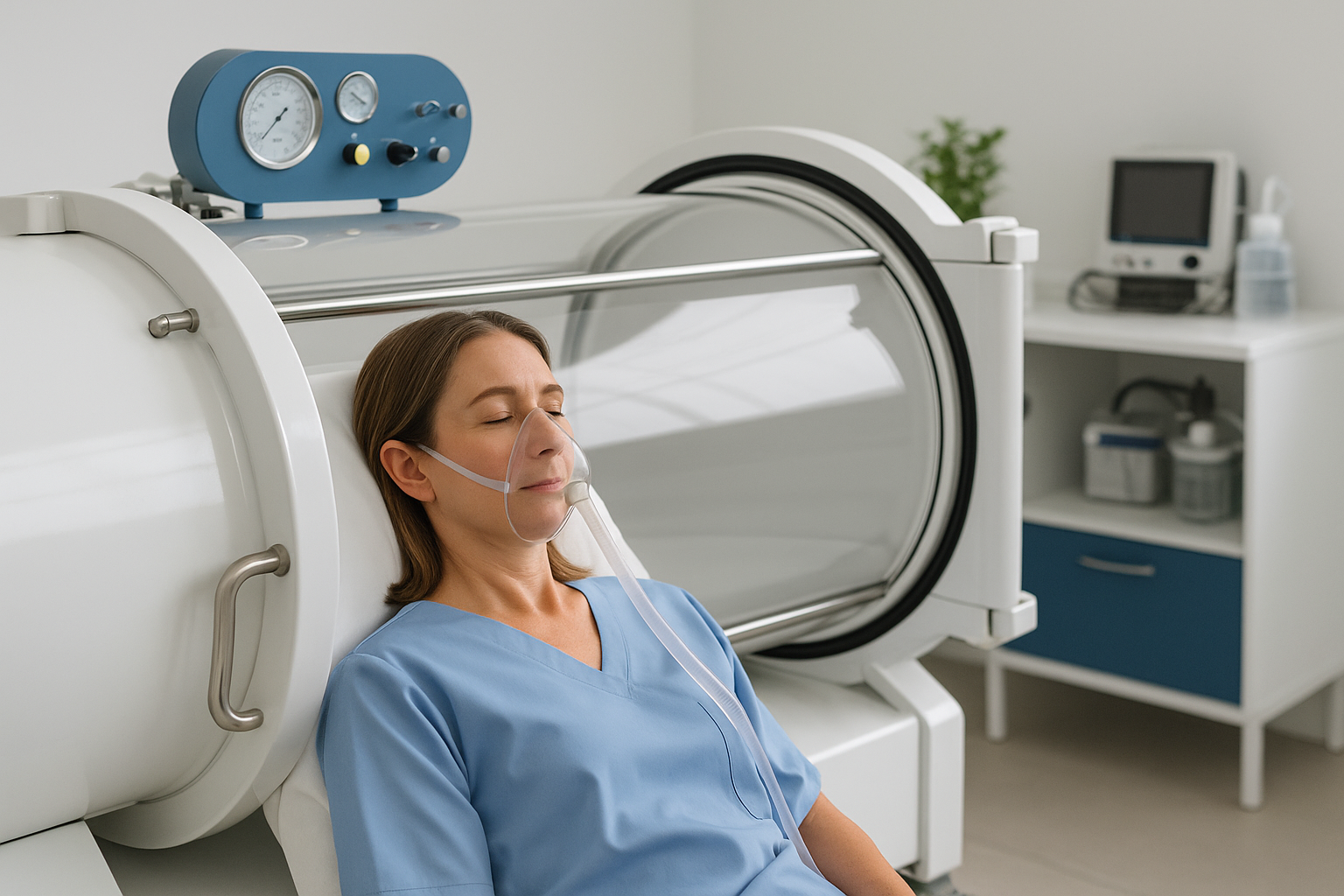
Hyperbaric oxygen therapy (HBOT) is gaining recognition as a powerful adjunctive treatment across a range of conditions. By delivering 100% oxygen in a pressurized chamber, HBOT enhances the body’s natural healing processes. In this post we’ll explore the core benefits, who can benefit, what to expect during a session, and how to choose a qualified provider.
What Is Hyperbaric Oxygen Therapy?
How HBOT Works
During HBOT you breathe pure oxygen in a chamber where the air pressure is increased to higher than normal atmospheric pressure. This raises the amount of oxygen dissolved in the blood plasma, allowing oxygen to reach tissues that may be starved of it due to injury, inflammation, or poor circulation.
Types of Chambers
Chambers come in two main types: monoplace chambers (for one person) and multiplace chambers (for several people). Treatment plans vary by condition and are typically supervised by physicians trained in hyperbaric medicine.
Core Benefits of HBOT
1. Accelerates Wound Healing
HBOT stimulates angiogenesis, the growth of new blood vessels, which improves oxygen delivery to damaged tissue. This makes it especially effective for chronic non-healing wounds such as diabetic foot ulcers and surgical wounds that are slow to close.
2. Reduces Inflammation and Swelling
Increased oxygen tension within tissues helps modulate inflammatory responses and reduce edema. For many acute injuries and inflammatory conditions, this reduction in swelling can speed recovery and reduce pain.
3. Enhances Recovery from Radiation Injury
Radiation therapy can damage healthy tissues, causing chronic pain, ulcers, and reduced blood flow. HBOT has been shown to improve tissue oxygenation and support healing in radiation-induced injuries, such as osteoradionecrosis and soft tissue radionecrosis.
4. Supports Neurological Recovery
Emerging evidence suggests HBOT can aid recovery after certain neurological insults, including traumatic brain injury and stroke, by promoting neuroplasticity, reducing inflammation, and improving oxygen delivery to vulnerable brain tissue. While research is ongoing, many patients report functional improvements when HBOT is used alongside conventional therapies.
5. Boosts Immune Function and Infection Control
High concentrations of oxygen enhance the ability of white blood cells to kill bacteria and combat infection. HBOT is a recognized adjunct treatment for certain serious infections, including refractory osteomyelitis and some soft-tissue infections.
6. Aids Athletic Recovery and Performance
Athletes sometimes use HBOT to accelerate recovery from soft tissue injuries and reduce muscle soreness. Improved tissue oxygenation can support faster repair and help athletes return to training sooner when used responsibly under medical guidance.
Who Can Benefit?
Common Indications
- Chronic non-healing wounds (e.g., diabetic foot ulcers)
- Radiation tissue damage
- Decompression sickness and air embolism
- Severe infections like necrotizing fasciitis (as adjunctive therapy)
- Selected neurological injuries (as part of a broader rehab plan)
Considerations and Contraindications
HBOT is generally safe when medically supervised, but it isn’t right for everyone. Contraindications include untreated pneumothorax and certain uncontrolled respiratory conditions. Discuss your full medical history with a specialist to determine if HBOT is appropriate.
What to Expect During a Session
Procedure and Duration
Sessions typically last 60–90 minutes, and treatment plans often require multiple sessions over days or weeks depending on the condition. You’ll sit or lie comfortably in the chamber, and pressure will increase to the prescribed level while you breathe normally.
Risks and Side Effects
Side effects are usually mild and may include ear pressure (like during airplane travel), sinus discomfort, or temporary vision changes. Rarely, oxygen toxicity or barotrauma can occur, which is why careful supervision and pre-screening are important.
Finding a Qualified Provider
Certification and Experience Matter
Seek clinics that are accredited and led by physicians trained in hyperbaric medicine. Ask about staff credentials, chamber maintenance practices, and the clinic’s experience treating your specific condition. A good provider will review your medical history and coordinate HBOT with your broader care plan.
Conclusion
Hyperbaric oxygen therapy offers a range of benefits—from accelerating wound healing and reducing inflammation to supporting recovery after radiation or neurological injury. While it’s not a cure-all, HBOT can be a valuable adjunct when used appropriately and under medical supervision. If you’re considering HBOT, consult a qualified hyperbaric specialist to discuss whether it fits into your treatment plan.