
Cellular Tissue Allograft Therapy in Allen, TX
When a wound won’t heal the way it should, it affects more than skin. It can disrupt sleep, limit mobility, and create constant worry about infection or worsening symptoms. For many patients, especially those managing diabetes, circulation issues, or pressure-related injuries, standard wound care isn’t always enough to move the body through the normal stages of healing.
That’s where advanced wound care solutions can help. Anchor Wound Management serves patients in and around Allen, TX with a modern, patient-focused approach that may include cellular tissue product (CTP) therapies such as placental allografting. These therapies are used thoughtfully, alongside comprehensive evaluation and ongoing wound management, to help create an environment where healing can
progress more effectively.
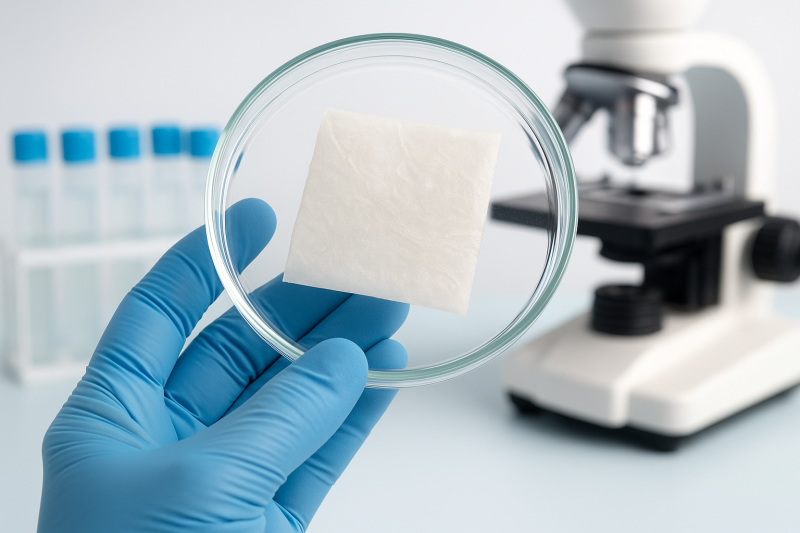
What Are Cellular Tissue Product (CTP) Therapies?
Cellular tissue product therapies are specialized biologic materials used in wound care to support the body’s natural repair processes. Instead of simply covering a wound, CTPs are designed to help encourage the steps needed for tissue recovery, particularly when healing has stalled.
In clinical wound care, CTPs may be used to provide a scaffold for tissue growth, help manage excessive inflammation, and support the development of healthy granulation tissue. They are not a “quick fix,” but rather a tool used as part of a broader plan tailored to the patient and the wound’s specific challenges.
Placental Allografting: Why It’s Used in Advanced Wound Care
One widely utilized category of CTP therapy is placental allografting. Placental-based tissue products are derived from donated placental tissue and processed under stringent standards to help ensure safety. Placental tissue is naturally rich in elements that can be helpful in wound care, including structural proteins and biologic signaling components that may support the healing cascade.
Potential Benefits of Placental Allografts for Wound Healing
- Helps manage inflammation: Chronic wounds can become “stuck” in an inflammatory phase. Placental-derived products may help calm an overly inflamed wound environment.
- Supports tissue regeneration: The wound bed may benefit from a structure that encourages cellular migration and healthy tissue formation.
- Maintains a balanced wound environment: Proper moisture and protection are essential for healing, and advanced biologics can help support that balance.
- Encourages granulation: For some slow-to-heal wounds, forming robust granulation tissue is a key step toward closure.
It’s important to note that placental allografting is not appropriate for every wound. A qualified wound care provider evaluates whether advanced biologic therapies are clinically indicated based on wound type, depth, drainage, infection status, blood flow, and the patient’s overall health profile.
Why Some Wounds Don’t Heal: Common Barriers
Wounds can become chronic for many reasons. At Anchor Wound Management, the focus is on identifying and addressing root causes rather than repeatedly treating symptoms. Some common barriers include:
- Circulation problems: Reduced blood flow can limit oxygen and nutrient delivery needed for repair.
- Diabetes-related complications: Neuropathy and impaired immune response can increase risk and slow healing.
- Pressure and friction: Continuous pressure (especially on heels or sacrum) can prevent tissue recovery.
- Infection or high bacterial burden: Even mild infection can keep the wound from progressing.
- Swelling and venous insufficiency: Fluid buildup can contribute to tissue breakdown and delayed closure.
Advanced therapies like cellular tissue products are often considered when these factors have been addressed and the wound still needs additional support to move forward.
Wound Types That May Benefit from Cellular Tissue Product Therapies
Patients seeking wound care in Allen, TX often come in with wounds that have been present for weeks or months, or wounds that recur. Depending on clinical evaluation, CTP therapies may be considered for:
- Diabetic foot ulcers
- Venous leg ulcers
- Pressure injuries (pressure ulcers)
- Non-healing surgical wounds
- Traumatic wounds that are slow to close
The goal is always to match the therapy to the wound’s needs. When appropriate, placental allografting may be used in combination with debridement, moisture management, infection control, compression (when indicated), offloading, and close follow-up.
What to Expect at Anchor Wound Management Near Allen, TX
Patients often feel relieved when they finally arrive at a clinic that treats wound care as a process, not a single appointment. Anchor Wound Management approaches each patient with careful assessment and clear communication. The first step is typically an in-depth evaluation to understand:
- The wound’s history (how it started, what has been tried, and how it has changed)
- Any pain, drainage, odor, or signs of infection
- Contributing health factors (diabetes, vascular issues, medications, nutrition, mobility)
- Whether blood flow or pressure reduction needs to be addressed before advanced therapies
If a cellular tissue product therapy is recommended, the care team explains why, how it works in the context of the treatment plan, and what follow-up will look like. This matters because success often depends on consistency: dressing changes, offloading or compression compliance, and regular re-checks to track progress.
A Human Approach to Healing
Wound care can feel frustrating and, at times, isolating. Many patients have been told to “just keep it clean” while weeks pass with little improvement. At Anchor Wound Management, patients are treated like people first. That means listening, setting realistic expectations, and celebrating the milestones that matter—less drainage, healthier tissue, decreased pain, and signs that the wound is finally moving in the right direction.
Looking for Advanced Wound Care in Allen, TX?
If you or a loved one is dealing with a chronic or complex wound, advanced therapies such as placental allografting and other cellular tissue product therapies may be an option worth discussing. Anchor Wound Management proudly supports patients in the Allen, TX area with comprehensive care plans designed to address underlying barriers, promote healing, and reduce the risk of complications.
Healing is rarely linear, but with the right plan and the right support, meaningful progress is possible.