What is Bedside Wound Care?
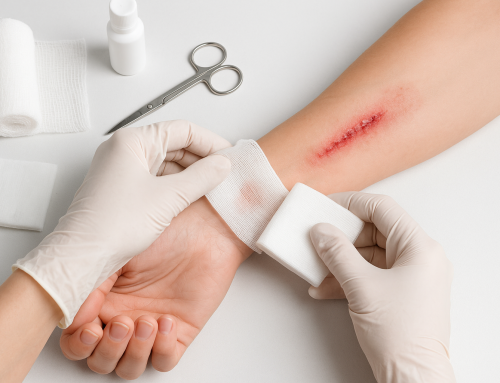
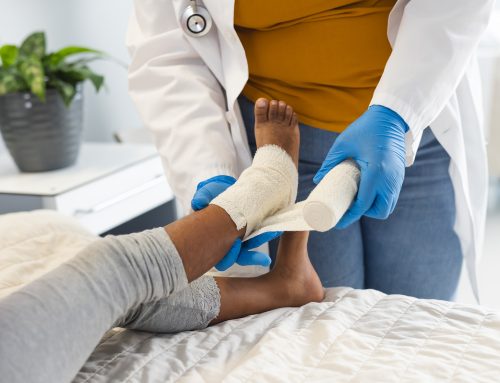
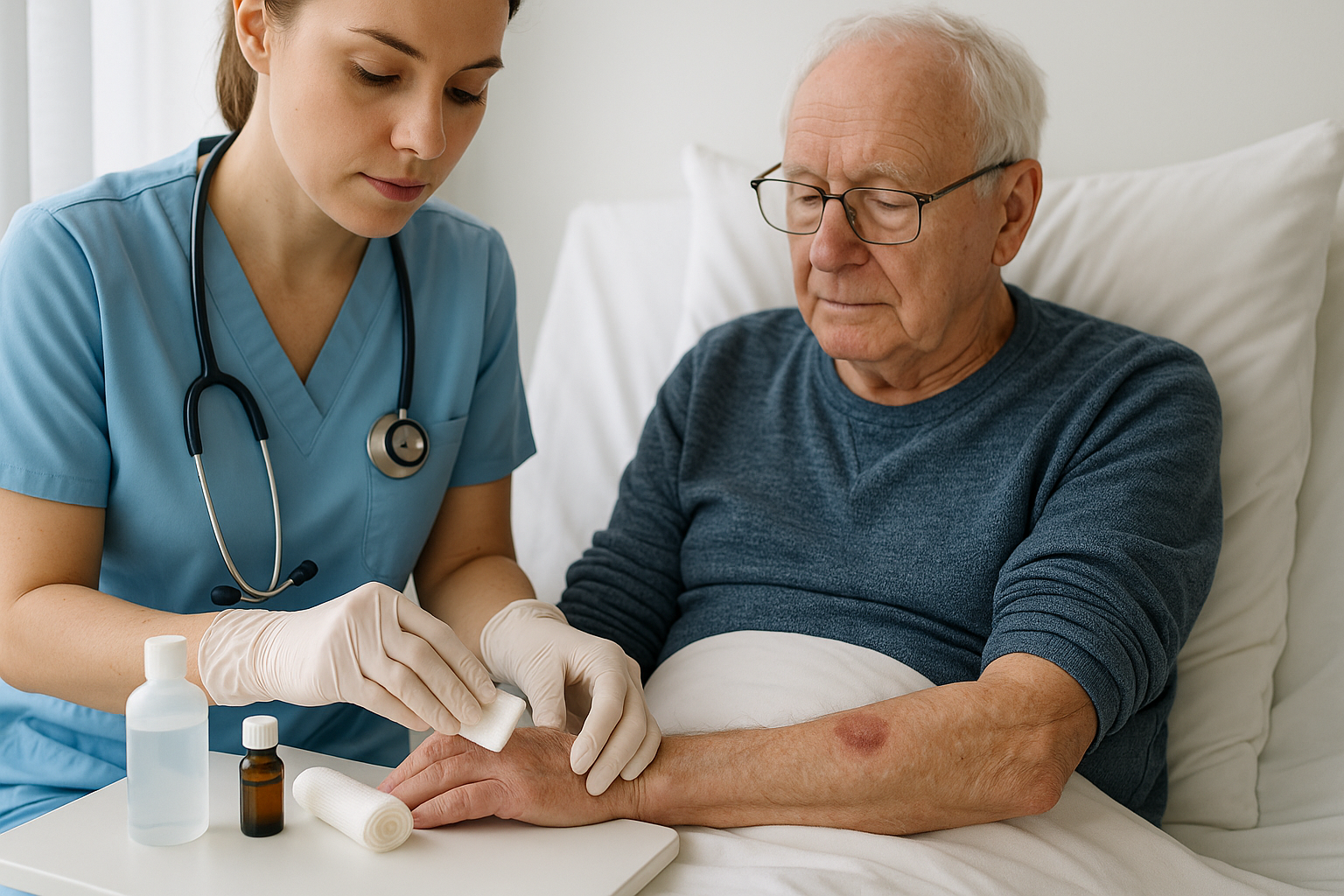
Bedside wound care refers to the process of cleaning, dressing, and managing wounds directly at the patient’s bedside. This approach is essential in hospitals, nursing homes, and home care settings, offering immediate and personalized care to help wounds heal efficiently while preventing infections and complications.
Why Proper Bedside Wound Care Matters
Wounds, whether surgical incisions or pressure ulcers, leave the skin vulnerable to bacteria and other contaminants. Proper care is crucial to promote healing, reduce pain, and prevent infection or further tissue damage. Timely bedside wound care can shorten hospital stays and improve patient comfort, which is why understanding and implementing best practices is so important.
Preparing for Bedside Wound Care
Gather Necessary Supplies
Before beginning wound care, you’ll need to prepare all your materials, which may include:
- Sterile gloves
- Gauze pads and bandages
- Saline solution or wound cleanser
- Adhesive tapes or wound dressings
- Antiseptic ointments if prescribed
- Waste disposal bags
- Scissors and tweezers (sterilized)
Ensure a Clean Environment
To reduce infection risks, clean your hands thoroughly with soap and water or an alcohol-based hand sanitizer before touching the wound or wound care supplies. Position the patient comfortably, ensuring good lighting and easy access to the wound site. Use a clean surface to lay out your tools.
Step-by-Step Bedside Wound Care Procedure
1. Assess the Wound
Check the wound for any changes in size, color, discharge, or odor. Note any swelling, redness around the wound edges, or increased pain. Document these findings to share with the healthcare team.
2. Remove Old Dressings Carefully
Put on sterile gloves. Gently peel away the old dressing. If it sticks to the wound, moisten it with sterile saline to avoid damaging new tissue. Dispose of the used dressing safely.
3. Clean the Wound
Use sterile saline or a wound cleanser to rinse debris and drainage from the wound. Do not use harsh antiseptics unless prescribed, as they can damage healthy tissue. Pat the area gently with sterile gauze to dry.
4. Apply Medication if Prescribed
If a doctor has recommended ointments or creams, apply them evenly over the wound using a clean applicator or glove-covered finger.
5. Dress the Wound
Choose an appropriate dressing type—hydrocolloid, foam, or gauze—based on the wound’s condition and moisture level. Apply the dressing carefully, ensuring it covers the wound entirely but is not too tight to restrict circulation.
6. Secure the Dressing
Use medical tape or adhesive bandages to keep the dressing in place. Avoid direct contact of adhesive with the wound itself. Make sure the dressing is snug but comfortable.
Monitoring and Documentation
Consistent monitoring is key for effective wound management. Record details about the wound’s appearance, any changes in drainage or odor, patient pain signals, and the type of dressing used. This documentation helps medical professionals adjust treatment plans when necessary.
Common Challenges in Bedside Wound Care
Preventing Infection
Strict hand hygiene and sterile technique help prevent bacteria from entering the wound. Using proper dressing materials and changing dressings as recommended reduce infection risk.
Managing Pain
Wound care can sometimes be uncomfortable. Use gentle handling and communicate with the patient about pain levels. Consult healthcare providers about pain management options if needed.
Handling Dressings in Sensitive Areas
Dressing wounds located near joints or sensitive skin may require special products that conform to movement and reduce irritation.
When to Seek Professional Help
If you notice signs of infection such as increased redness, warmth, swelling, foul odor, pus, or if the wound does not seem to be healing, contact a healthcare professional promptly. Also, if the patient develops fever or worsening pain, these may be signs that specialized treatment is necessary.
Tips for Caregivers and Family Members
- Always wash your hands before and after wound care.
- Stay calm and explain the process to the patient to help ease anxiety.
- Keep the wound dry and protected from further injury.
- Keep a wound care diary to track progress and changes.
- Follow instructions exactly as provided by healthcare professionals.
Conclusion
Bedside wound care is a vital part of patient recovery that requires attention to detail, gentle technique, and consistent monitoring. With proper preparation, careful cleaning, and appropriate dressing application, wounds can heal more efficiently and comfortably. Whether you’re a healthcare provider, caregiver, or family member, mastering the essentials of bedside wound care helps support better outcomes and improved patient well-being.