What Is Lymphedema?
Lymphedema is a chronic condition caused by a buildup of lymphatic fluid, usually in the arms or legs, that leads to swelling, discomfort, and increased risk of infection. It can be primary (congenital or genetic) or secondary (resulting from surgery, radiation, infection, or trauma). Early recognition and appropriate therapy can reduce symptoms and help maintain quality of life.
Causes and Risk Factors
Understanding the cause helps guide the best therapy. Common risk factors include:
- Removal or damage to lymph nodes during cancer surgery (e.g., breast cancer treatment)
- Radiation therapy that affects lymphatic channels
- Infection or chronic inflammation that blocks lymph flow
- Obesity and limited mobility
- Genetic conditions affecting lymphatic development
Symptoms and Diagnosis
Symptoms may start subtly and progress over time. Typical signs include:
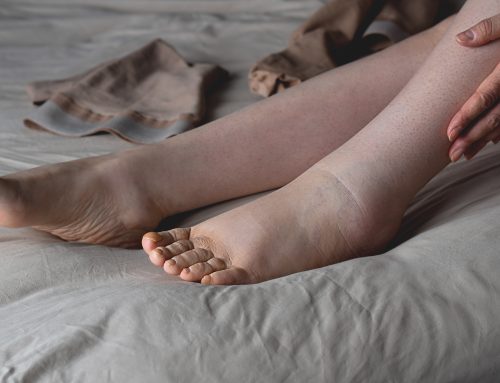
- Swelling in part or all of an arm or leg
- A feeling of heaviness or tightness
- Reduced range of motion
- Recurring infections or hardening of the skin (fibrosis)
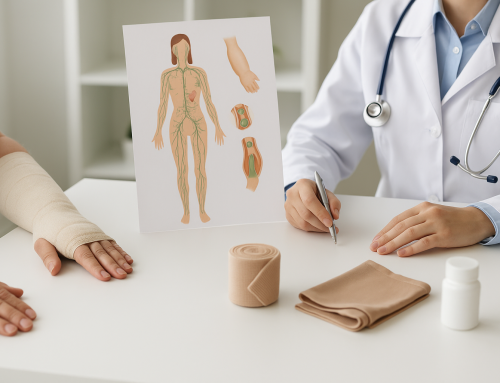
Diagnosis is based on medical history, physical exam, and sometimes imaging tests like lymphoscintigraphy or ultrasound to evaluate lymphatic function.
Lymphedema Therapy Overview
Lymphedema therapy aims to reduce swelling, prevent complications, and improve function. A multidisciplinary approach often works best, combining manual techniques, compression, exercise, skin care, and education. Treatment plans are tailored to the stage and severity of lymphedema and the individual’s lifestyle.
Complete Decongestive Therapy (CDT)
CDT is the gold standard for many patients. It has two phases:
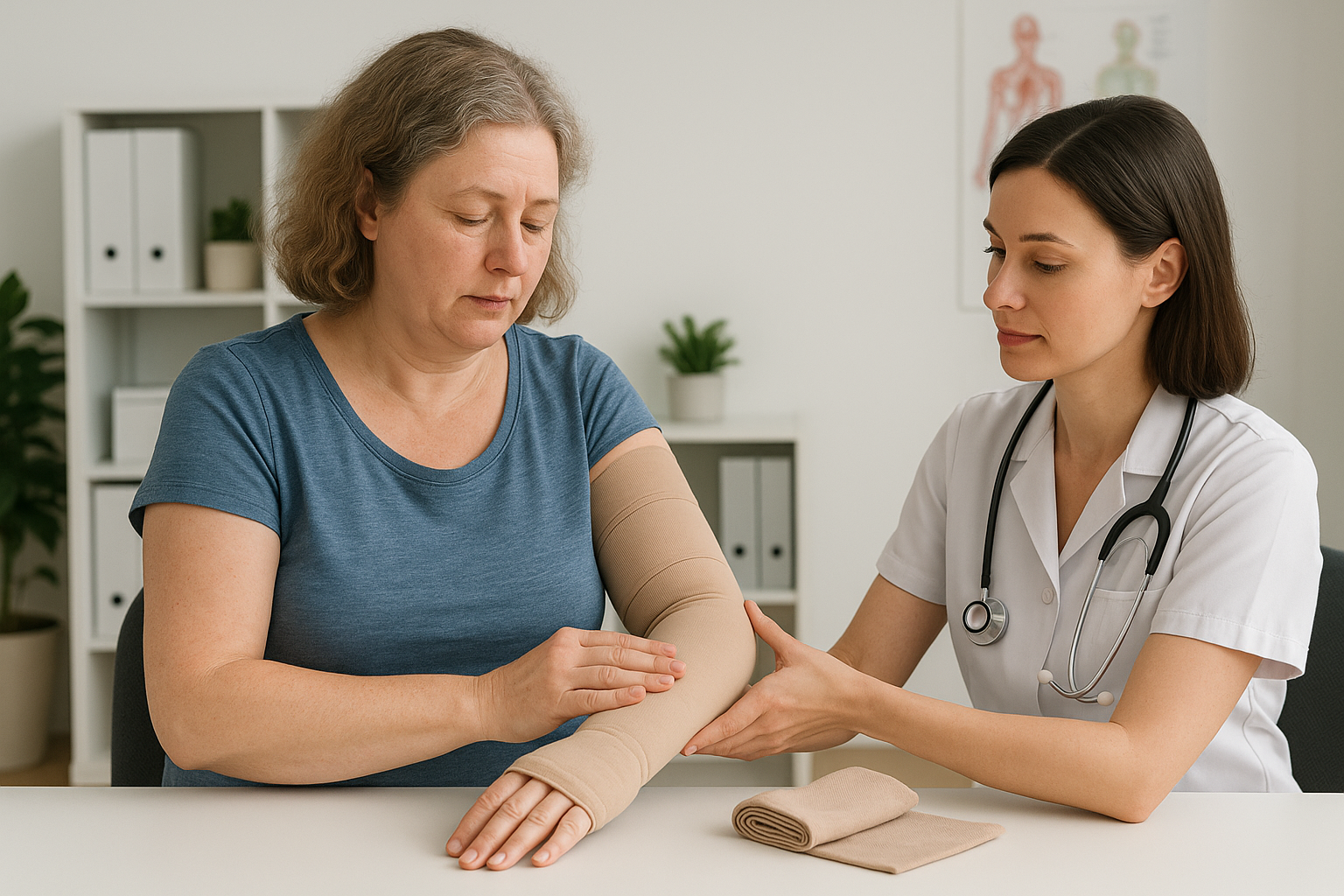
- Intensive phase: frequent sessions with a certified therapist focusing on manual lymphatic drainage, multilayer compression bandaging, exercises, and skin care.
- Maintenance phase: ongoing self-care with compression garments, home exercises, and periodic check-ins with a therapist.
Manual Lymphatic Drainage (MLD)
MLD is a gentle, rhythmic massage technique that stimulates lymphatic vessels to encourage fluid movement toward functioning lymph nodes. It’s typically performed by a trained therapist and is a cornerstone of CDT. Patients often report immediate reduction in swelling and a sense of lightness.
Compression Therapy
Compression helps prevent fluid from reaccumulating after it’s moved during MLD. Options include:
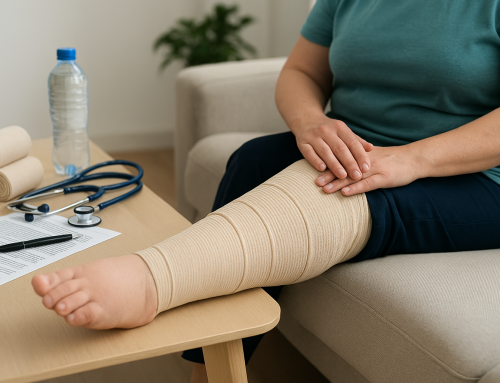
- Multilayer compression bandaging in the intensive phase
- Custom-fitted compression garments for long-term maintenance
- Intermittent pneumatic compression devices for some patients
Proper fit and consistent use are key to effectiveness.
Exercise and Skin Care
Targeted exercises promote muscle contractions that naturally assist lymphatic flow. Low-impact activities like walking, swimming, and specialized resistance routines are beneficial. Skin care reduces infection risk: keep skin clean, moisturized, and protect it from cuts, insect bites, and burns.
Advanced and Surgical Options
When conservative measures are insufficient, surgical interventions may be considered. These include lymphaticovenous anastomosis, vascularized lymph node transfer, liposuction for chronic fat accumulation, and debulking procedures. Surgery is coupled with ongoing conservative therapy to maintain results.
Living with Lymphedema: Practical Tips
Managing lymphedema is a long-term commitment, but many strategies make daily life easier:
- Wear prescribed compression garments during the day and follow bandaging instructions at night if advised
- Practice daily skin care and inspect the limb for cuts or changes
- Stay active with suitable exercise and pacing to avoid overuse
- Manage weight and maintain a balanced diet to reduce strain on the lymphatic system
- Keep a simple record of limb measurements and symptoms to spot changes early
Emotional Support and Resources
Lymphedema can affect mental well-being. Connecting with support groups, counselors, or patient networks can offer emotional relief and practical tips. Education empowers patients to advocate for appropriate care and to work effectively with their healthcare team.
When to Seek Professional Help
Contact a healthcare provider or lymphedema specialist if you notice sudden increase in swelling, signs of infection (redness, warmth, fever), worsening pain, or if conservative measures stop working. Early intervention often prevents progression and complications.
Conclusion
Lymphedema therapy combines proven techniques—manual lymphatic drainage, compression, exercise, and skin care—with patient education and support. With timely treatment and consistent self-care, many people significantly reduce swelling, prevent complications, and regain confidence in daily activities. Work with a certified therapist and your healthcare team to build a practical, personalized plan that fits your life.