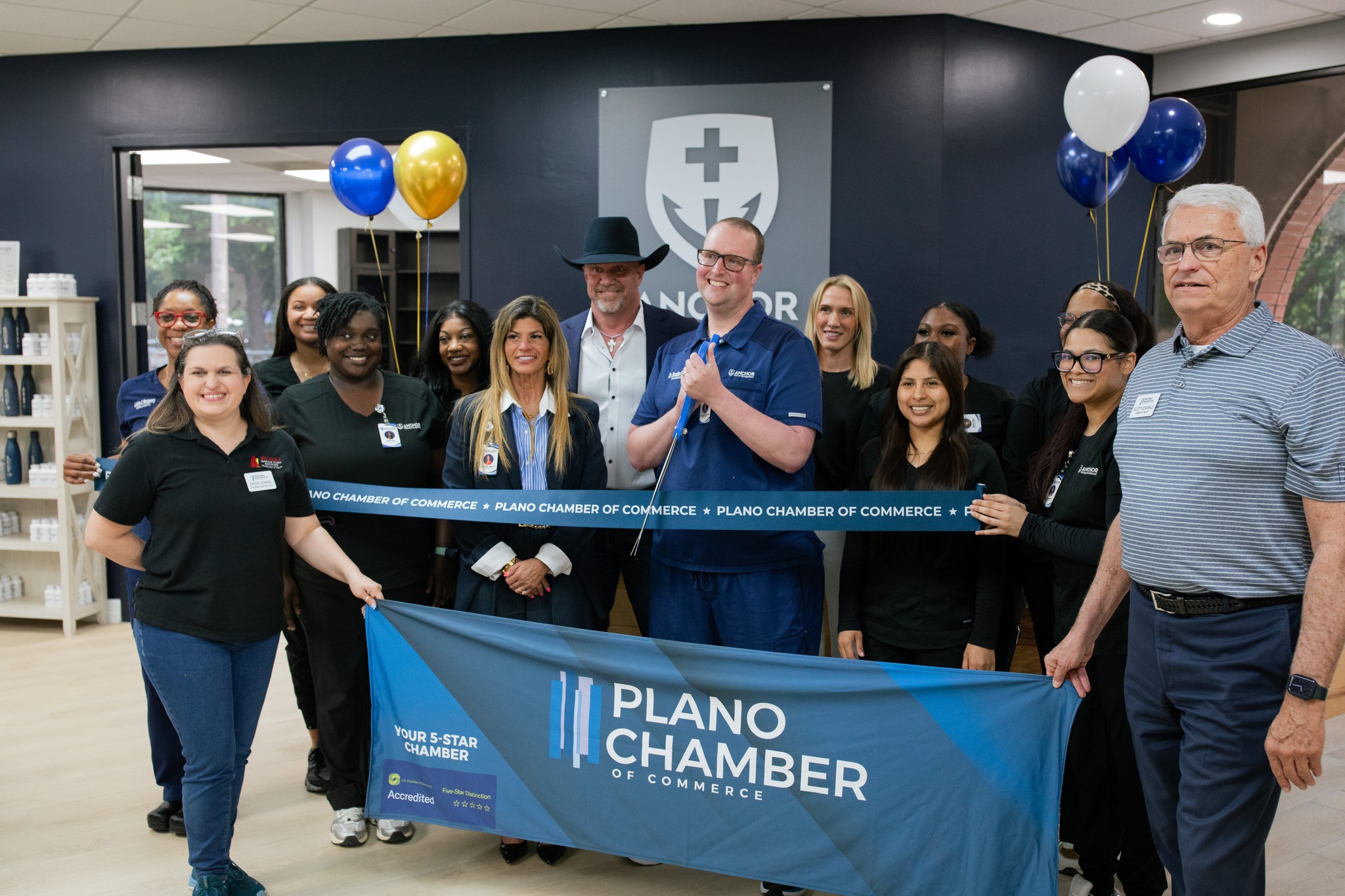
Join Anchor Wound Management
The healthcare industry is crowded with noise, but wound care is where the real opportunity lives, and Anchor Wound Management owns that space. This isn’t a side hustle. This isn’t a trendy healthcare fad. This is a recession-resistant, high-demand medical service built on one simple truth: chronic wounds aren’t going away, and the providers who treat them correctly are in short supply.
Anchor Wound Management gives you the blueprint to step into an exploding market with confidence, credibility, and clinical authority. Hospitals, long-term care facilities, home health agencies, and providers are desperate for reliable wound care partners who get results. Anchor doesn’t just open doors, it gives you instant legitimacy.
You’re not starting from scratch. You’re plugging into proven systems, established protocols, advanced treatment methodologies, and a brand built specifically for scale. Anchor equips franchise owners with operational training, compliance guidance, clinical support, and the business infrastructure needed to grow fast without guessing. You focus on execution and expansion, Anchor handles the playbook.
This is ownership with impact. You’re improving patient outcomes, reducing hospital admissions, and becoming indispensable to healthcare partners—all while building a profitable, scalable business. Few franchises offer the rare combination of strong margins, repeat referrals, and mission-driven work. Anchor delivers all three.
If you’re tired of low-ceiling businesses, over-saturated franchises, or healthcare models that depend on volume instead of value, Anchor Wound Management is your edge. The demand is there. The referrals are there. The systems are built.
The only question left is whether you’re ready to stop watching opportunity pass by, and start owning one.
Anchor Wound Management isn’t for everyone. It’s for leaders who want control, credibility, and growth in one of healthcare’s most underserved, and most profitable, sectors.
About Anchor Wound Management

Anchor Wound Management presents a franchise opportunity founded in 2023 by Dr. Brandon Elrod, a former Army field surgeon who translated combat and trauma wound-care experience into a patient-centered wound care business. The offering combines bedside mobile services and clinic-based centers, a portfolio of advanced clinical modalities (sharp/mechanical/enzymatic debridement, biologic placental allografts, hyperbaric oxygen therapy, FLIR thermography), and a proprietary nutritional product (NutraForge) to support healing while creating multiple revenue streams for franchisees.
The franchise emphasizes comprehensive training, operational support, and standardized clinical protocols intended to enable operators without prior wound-care experience to deliver specialized services. The business model reported in the source projects clear financial benchmarks, mobile unit and clinic revenue ranges, net profit margins, and rapid payback periods, while noting that offers are finalized through the formal Franchise Disclosure Document.
Solutions Overview
Anchor offers a dual-channel franchise model—mobile units that deliver bedside care and clinic-based centers that host advanced equipment such as hyperbaric chambers. This combination allows franchisees to operate flexibly across referral sources (home health agencies, hospitals, long-term care, and community patients), maximizing patient access and revenue opportunities. The mobile model lowers overhead and enables rapid market entry, whereas clinic sites support higher-volume procedures and specialty modalities.
The franchisor packages clinical protocols, clinician training, proprietary adjunct products, equipment strategies, and marketing support to reduce startup risk and operational ambiguity for new operators. By centralizing training (140 hours at headquarters), vendor relationships, and marketing campaigns, Anchor aims to accelerate time-to-revenue and standardize clinical quality across locations. The inclusion of both technology (FLIR thermography) and biologic therapies differentiates the clinical offering and supports higher-value services and reimbursement.
Key Points
Features
| Feature | Description | Benefit |
|---|---|---|
| Mobile Bedside Unit | Mobile teams deliver wound debridement, biologic applications, FLIR screening, and nutrition support at patients’ homes or facilities. | Lower fixed costs, faster market penetration, ability to access high-need patients. |
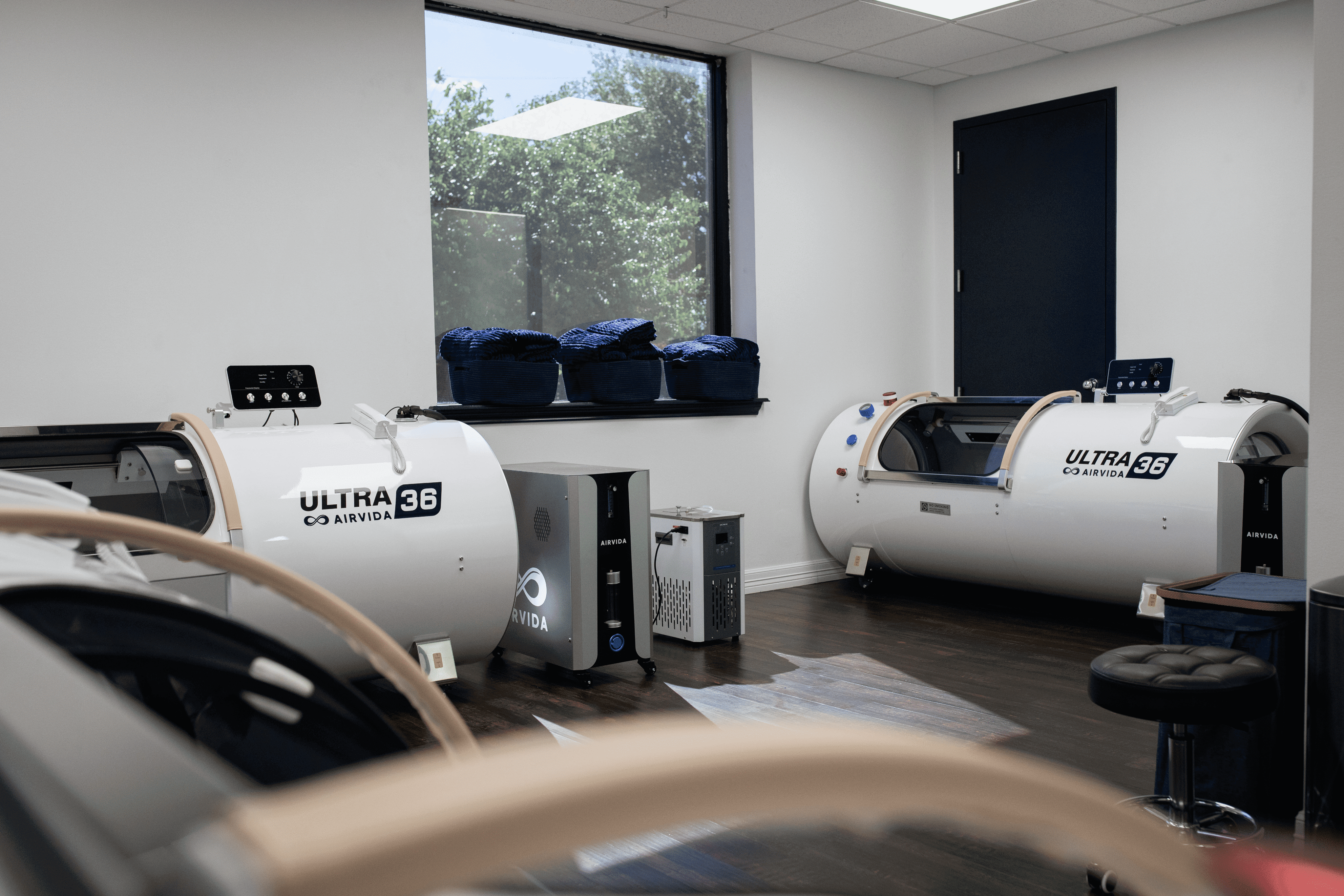
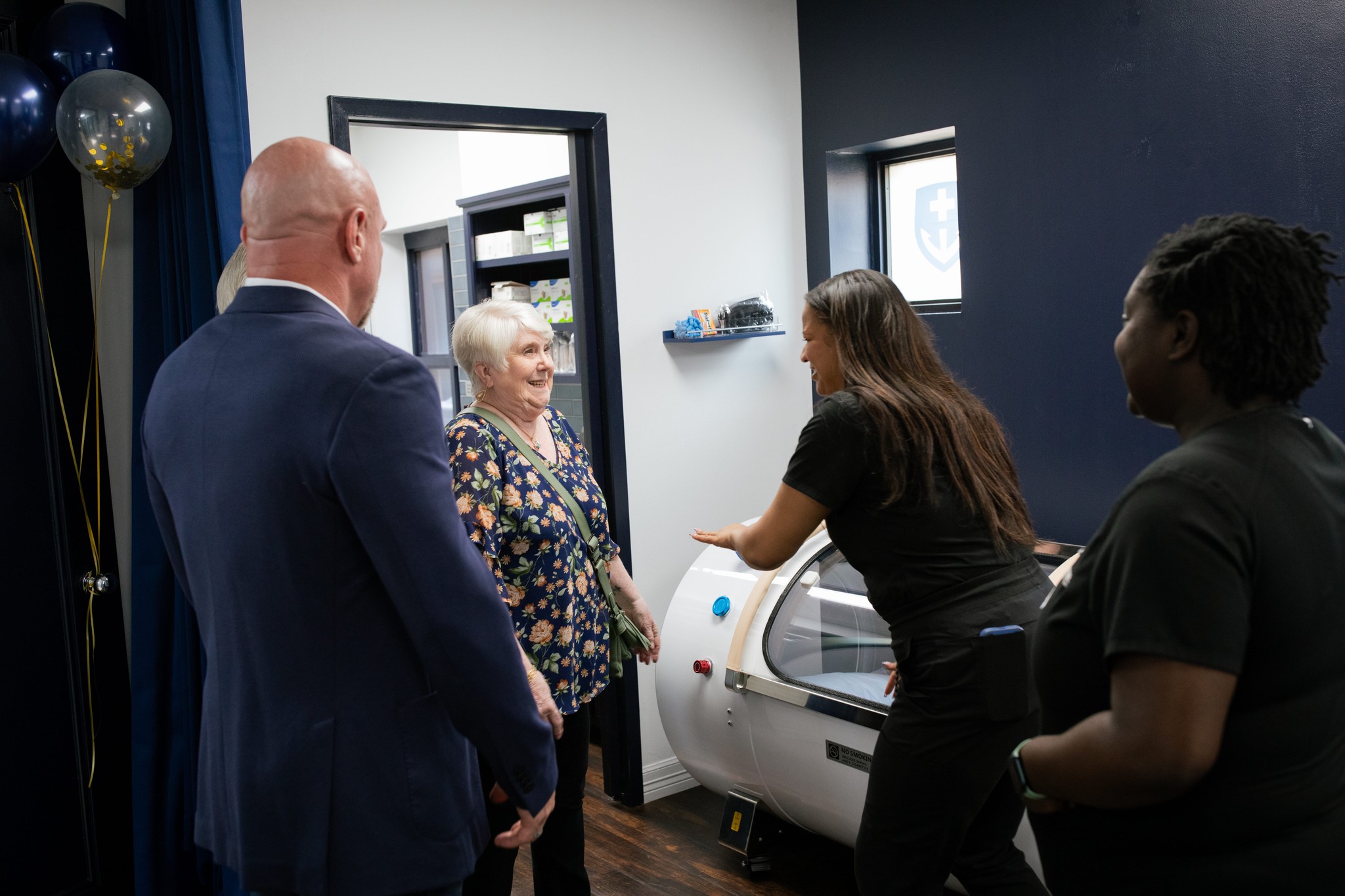
| Clinic-Based Centers | Brick-and-mortar locations equipped with hyperbaric chambers and full treatment suites. | Higher throughput, access to higher-reimbursing procedures, and community visibility. |
| Advanced Modalities | Sharp/mechanical/enzymatic debridement, placental allografts, hyperbaric oxygen therapy, FLIR thermography. | Clinical differentiation, ability to treat complex wounds, and improved outcomes. |
| NutraForge | Proprietary supplement blend of amino acids, vitamins, and minerals for wound healing support. | Ancillary revenue stream and patient-support product that complements therapies. |
| Training & Support | 140 hours of combined classroom and on-the-job training; pre- and post-opening operational support. | Standardized quality, compliance readiness, and faster ramp to profitability. |
| Marketing & Vendor Setup | Pre-opening marketing campaigns and vendor coordination provided. | Reduced operational friction and earlier patient acquisition. |
User Segments
| Segment | Needs | How Solution Helps |
|---|---|---|
| Elderly Medicare Patients | Accessible treatment for chronic wounds, lower hospitalization risk. | Mobile visits, FLIR monitoring, and Medicare-focused billing models that retain gross profit per patient. |
| Diabetic Patients with Foot Ulcers | Access to hyperbaric therapy and advanced biologics for limb salvage. | Clinic-based hyperbaric chambers and placental allograft therapy reduce progression to amputation. |
| Long-Term Care Facilities | On-site treatment options to avoid transfers and reduce bed-days. | Mobile units provide bedside debridement and monitoring, improving continuity of care. |
| Health Systems & Referral Partners | Reliable outpatient partners to offload wound care volume and improve outcomes. | Standardized clinical protocols and reporting to integrate with care pathways. |
| Entrepreneurial Clinicians / Franchise Investors | Turnkey clinical business with training and support. | Clear financial projections, rapid ROI windows, and diversified revenue streams (services + NutraForge). |
Financial Metrics
- Mobile Model: Projected annual revenue range of $625,000–$875,000 with net profit of $190,000–$300,000, implying margins of approximately 30–35% and typical ROI in 6–12 months. These figures indicate a relatively low-capital entry point with rapid payback when utilization targets are met.
- Clinic Model: Projected annual revenue range of $1.5–$2.0 million with net profit of $525,000–$800,000, implying margins of approximately 35–40% and typical ROI in 6–9 months. Clinic locations support higher-value procedures and throughput but require greater initial investment.
- Payer Economics: The franchisor reports retaining about 46% of Medicare reimbursement as gross profit per patient, highlighting Medicare as a central revenue source. Operators should model sensitivity to payer mix changes and reimbursement rate fluctuations.
| Topic | Mobile Model | Clinic Model |
|---|---|---|
| Projected Annual Revenue | $625,000–$875,000 | $1,500,000–$2,000,000 |
| Projected Net Profit | $190,000–$300,000 | $525,000–$800,000 |
| Typical Margins | 30–35% | 35–40% |
| Typical ROI | 6–12 months | 6–9 months |
| Key Capital Considerations | Lower fixed assets, vehicle/equipment | Facility build-out, hyperbaric chamber |
Operations And Support
Anchor provides end-to-end opening support that includes site selection, vendor setup, and marketing campaign templates to streamline launches. Post-opening, franchisees receive ongoing field visits and compliance guidance designed to maintain clinical standards and billing accuracy. This operational support is positioned to reduce common small-business pitfalls—incorrect billing, poor vendor choices, and inconsistent clinical practice—that slow growth.
Operationally, two distinct pathways exist: mobile operations focused on scheduling, logistics, and travel efficiencies; and clinics that require facility management, equipment maintenance (e.g., hyperbaric chamber servicing), and higher staff throughput. Each pathway has different staffing models, supply needs, and marketing priorities that the franchisor purports to address through its training and field resources.
Training Program
The training curriculum totals 140 hours: 72 hours of classroom instruction and 68 hours of on-the-job training. Classroom modules cover compliance, billing, patient service, and clinical theory, while on-the-job sessions emphasize hands-on wound care techniques and operational workflows. Training is centralized at the franchisor’s Irving, Texas headquarters, which standardizes onboarding but also requires travel and time commitment from new franchisees and staff.
The program aims to qualify franchisees without prior wound-care experience, focusing on skill acquisition for debridement techniques, biologic application, and the operation of adjunct technologies (FLIR, hyperbaric protocols). Credentialing, documentation practices, and payer-specific billing workflows are integral to the training to help secure reimbursement and reduce claim denials.
Clinical Modalities And Technology
Core clinical services include sharp, mechanical, and enzymatic debridement, which are foundational wound-care practices used to remove necrotic tissue and promote healing. These procedures are standard within wound care and constitute a large share of treatment episodes, particularly in home and facility settings where quick, bedside interventions prevent escalation.
Advanced services include cellular tissue product therapies such as placental allografting, presented as high-potency biologic interventions deployable at the bedside. Clinic locations will also provide hyperbaric oxygen therapy—an evidence-based adjunct for select diabetic foot ulcers—and FLIR thermography, which is positioned as a preventive surveillance technology to detect thermal changes signaling infection risk before clinical signs emerge.