
Hyperbaric Oxygen Therapy in Ft. Worth
Chronic and non-healing wounds represent a significant clinical challenge and can lead to serious complications if not treated appropriately. For patients in Fort Worth, TX, access to advanced, evidence-based wound care is essential for achieving optimal healing outcomes. When conventional wound care fails to produce adequate results, hyperbaric oxygen therapy (HBOT) offers a medically proven adjunctive treatment. At Anchor Wound Management, HBOT is an integral component of a comprehensive wound care program designed to support tissue repair, infection control, and long-term healing.
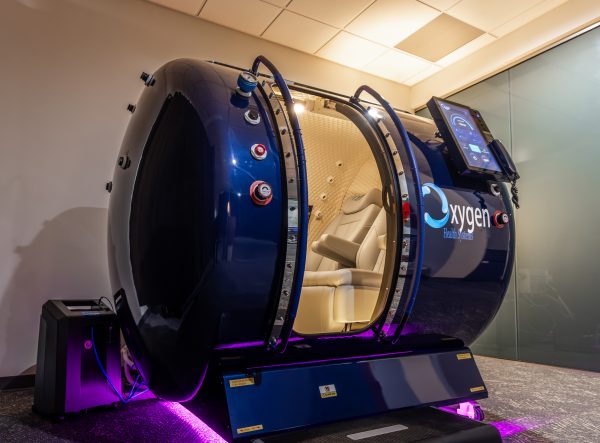
Clinical Overview of Hyperbaric Oxygen Therapy
Hyperbaric oxygen therapy is a medical treatment in which patients breathe 100 percent oxygen within a pressurized hyperbaric chamber. The elevated atmospheric pressure increases the amount of oxygen dissolved in the plasma, allowing oxygen to reach ischemic and hypoxic tissues that are inadequately perfused under normal physiological conditions.
This enhanced oxygen delivery supports multiple oxygen-dependent processes essential for wound healing, including collagen synthesis, angiogenesis, leukocyte function, and epithelialization. HBOT is supported by extensive clinical research and is recognized as an effective adjunctive therapy for a variety of wound-related conditions.
Pathophysiology of Chronic Wounds
Chronic wounds frequently result from impaired perfusion, tissue hypoxia, inflammation, and infection. Conditions such as diabetes mellitus, peripheral arterial disease, venous insufficiency, radiation injury, and post-surgical complications disrupt normal wound healing mechanisms.
Insufficient oxygen tension within the wound environment impairs fibroblast proliferation, collagen deposition, and immune response. Hyperbaric oxygen therapy directly addresses tissue hypoxia, thereby restoring the physiological conditions necessary for effective wound repair.
Therapeutic Benefits of Hyperbaric Oxygen Therapy in Wound Care
Enhanced Tissue Oxygenation and Accelerated Healing
HBOT significantly increases tissue oxygen tension, which promotes fibroblast activity, collagen production, and epithelial cell migration. These processes are critical for wound closure and tissue strength.
Patients receiving HBOT at Anchor Wound Management often demonstrate accelerated wound healing, particularly in wounds refractory to standard treatment modalities.
Improved Infection Control and Immune Function
Adequate oxygen levels are essential for leukocyte-mediated bacterial killing. Hyperbaric oxygen therapy enhances neutrophil function and inhibits the growth of anaerobic bacteria commonly associated with chronic wound infections.
HBOT also improves the efficacy of certain antibiotics, making it a valuable adjunctive therapy in the management of infected wounds and osteomyelitis.
Promotion of Angiogenesis and Improved Perfusion
Hyperbaric oxygen therapy stimulates angiogenesis, leading to the formation of new capillary networks within ischemic tissue. This results in improved blood flow and sustained oxygen delivery to healing wounds.
This mechanism is particularly beneficial for patients with diabetes or peripheral vascular disease, where compromised circulation contributes significantly to delayed healing.
Reduction of Edema and Inflammatory Response
HBOT reduces tissue edema by causing vasoconstriction while maintaining adequate oxygen delivery. Reduced edema decreases interstitial pressure and improves microcirculation within the wound environment.
Clinically, this results in decreased inflammation, improved tissue oxygen diffusion, and enhanced patient comfort.
Support of Surgical Wounds, Grafts, and Flaps
Hyperbaric oxygen therapy is widely utilized to support healing in compromised surgical wounds, skin grafts, and flaps. Increased oxygen availability enhances tissue viability and reduces the risk of necrosis and wound dehiscence.
At Anchor Wound Management, HBOT is incorporated into perioperative care when indicated to optimize surgical outcomes.
Indications for Hyperbaric Oxygen Therapy at Anchor Wound Management
Patients in Fort Worth, TX may be candidates for hyperbaric oxygen therapy for a range of wound-related conditions, including:
-
Diabetic foot ulcers
-
Non-healing surgical wounds
-
Radiation-induced soft tissue injury
-
Venous and arterial ulcers
-
Traumatic wounds
-
Pressure injuries
-
Osteomyelitis
-
Compromised skin grafts and flaps
Each patient undergoes a thorough clinical assessment to determine appropriateness for HBOT and to develop an individualized treatment plan.
Treatment Protocol and Patient Experience
Hyperbaric oxygen therapy at Anchor Wound Management is delivered in a medically supervised environment with continuous patient monitoring. Treatments typically last 60 to 90 minutes and are administered multiple times per week, depending on clinical indication and response.
Patients may experience mild ear pressure related to chamber pressurization, which is managed by trained clinical staff. Safety, patient tolerance, and treatment efficacy are prioritized throughout the course of therapy.
The Anchor Wound Management Clinical Model
Anchor Wound Management employs a multidisciplinary, evidence-based approach to wound care. Hyperbaric oxygen therapy is integrated with advanced wound management strategies, including debridement, infection control, vascular evaluation, advanced dressings, and nutritional optimization.
This comprehensive model ensures that both the wound and the underlying systemic factors contributing to impaired healing are addressed, resulting in improved clinical outcomes and reduced recurrence rates.
Importance of Early Advanced Intervention
Delayed treatment of chronic wounds increases the risk of infection, hospitalization, and limb-threatening complications. Early implementation of advanced therapies such as hyperbaric oxygen therapy can significantly improve healing trajectories and reduce morbidity.
For patients in Fort Worth, early referral to Anchor Wound Management provides access to advanced wound care interventions supported by clinical evidence and expert medical oversight.
Conclusion
Chronic wounds require advanced, targeted medical treatment to achieve optimal healing outcomes. Hyperbaric oxygen therapy offers a scientifically supported adjunctive treatment by enhancing tissue oxygenation, improving immune response, and promoting angiogenesis and tissue repair.
For patients in Fort Worth, TX, Anchor Wound Management delivers advanced wound care with a strong focus on clinical excellence, patient safety, and measurable outcomes. Through the integration of hyperbaric oxygen therapy and comprehensive wound management, patients receive high-quality care designed to support durable healing and improved quality of life.
Fort Worth, TX
Fort Worth, Texas is a major city in North Texas known for its rich history, cultural depth, and strong economic presence. As one of the two anchor cities of the Dallas–Fort Worth metroplex, Fort Worth offers a unique blend of traditional Western heritage and modern urban development. With a population approaching one million, the city plays a vital role in the region’s growth while maintaining a distinct identity rooted in its past.
Fort Worth is often associated with its deep connection to Texas history and cowboy culture. The Fort Worth Stockyards serve as a symbol of this heritage, featuring historic buildings, cattle drives, museums, and live entertainment that celebrate the city’s role in the cattle industry. This Western influence is woven into Fort Worth’s culture and helps distinguish it from neighboring cities in the Metroplex.
The city also has a strong presence in arts and culture. Fort Worth’s Cultural District is home to world-class institutions such as the Kimbell Art Museum, the Modern Art Museum of Fort Worth, and the Amon Carter Museum of American Art. These museums, along with performance venues like Bass Performance Hall, contribute to a vibrant arts scene that attracts visitors from across the country. Fort Worth places a strong emphasis on preserving and supporting cultural expression.
Fort Worth’s economy is diverse and steadily growing. Major industries include aerospace and defense, healthcare, energy, manufacturing, and transportation. The city is home to large employers such as Lockheed Martin, as well as numerous small businesses and startups. Its central location and extensive transportation network support continued economic development and job creation.
Education is an important component of Fort Worth’s community. The city is served by several school districts, including Fort Worth ISD, and is home to higher education institutions such as Texas Christian University (TCU). These institutions contribute to workforce development and enrich the city’s academic and cultural landscape.
Overall, Fort Worth, Texas is a city that blends history, culture, and opportunity. Its strong economy, celebrated arts scene, and commitment to preserving its Western heritage make it a distinctive and influential city in North Texas. Fort Worth continues to grow while staying true to the traditions and values that define its character.