Understanding lymphedema
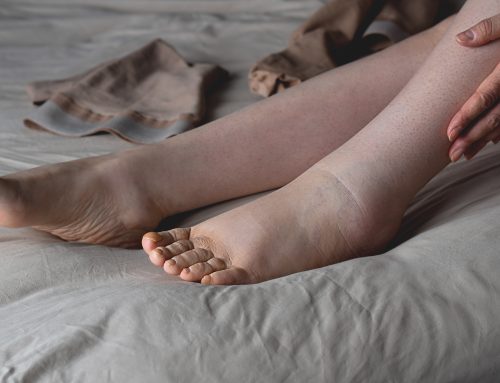
Lymphedema is swelling caused by impaired lymphatic drainage. It most often affects an arm or leg and can develop after surgery, radiation, infection, or from congenital causes. While there’s no single cure for all cases, many evidence-based treatments and self-care strategies can reduce swelling, improve function, and lower the risk of complications like cellulitis.
Conservative treatment options
Conservative approaches are the first line of treatment for most people with lymphedema. These focus on reducing fluid accumulation, promoting lymph flow, and protecting the skin.
Complete decongestive therapy (CDT)
CDT is a multimodal program and the gold standard for many patients. It typically includes manual lymphatic drainage, compression therapy, therapeutic exercise, and meticulous skin care. CDT is delivered in two phases: an intensive phase with frequent therapy sessions, then a maintenance phase to sustain results.
Manual lymphatic drainage (MLD)
MLD is a gentle, specialized massage technique performed by trained therapists. It stimulates lymph flow through light, rhythmic strokes and helps move excess fluid to functioning lymphatic channels or nodes.
Compression therapy
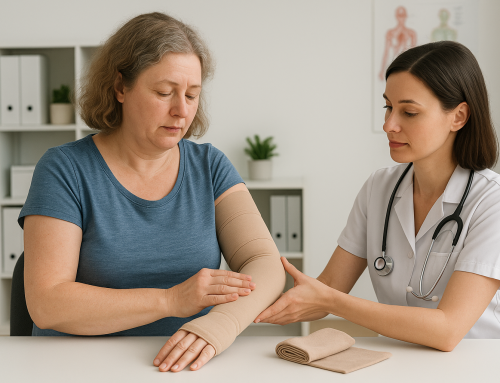
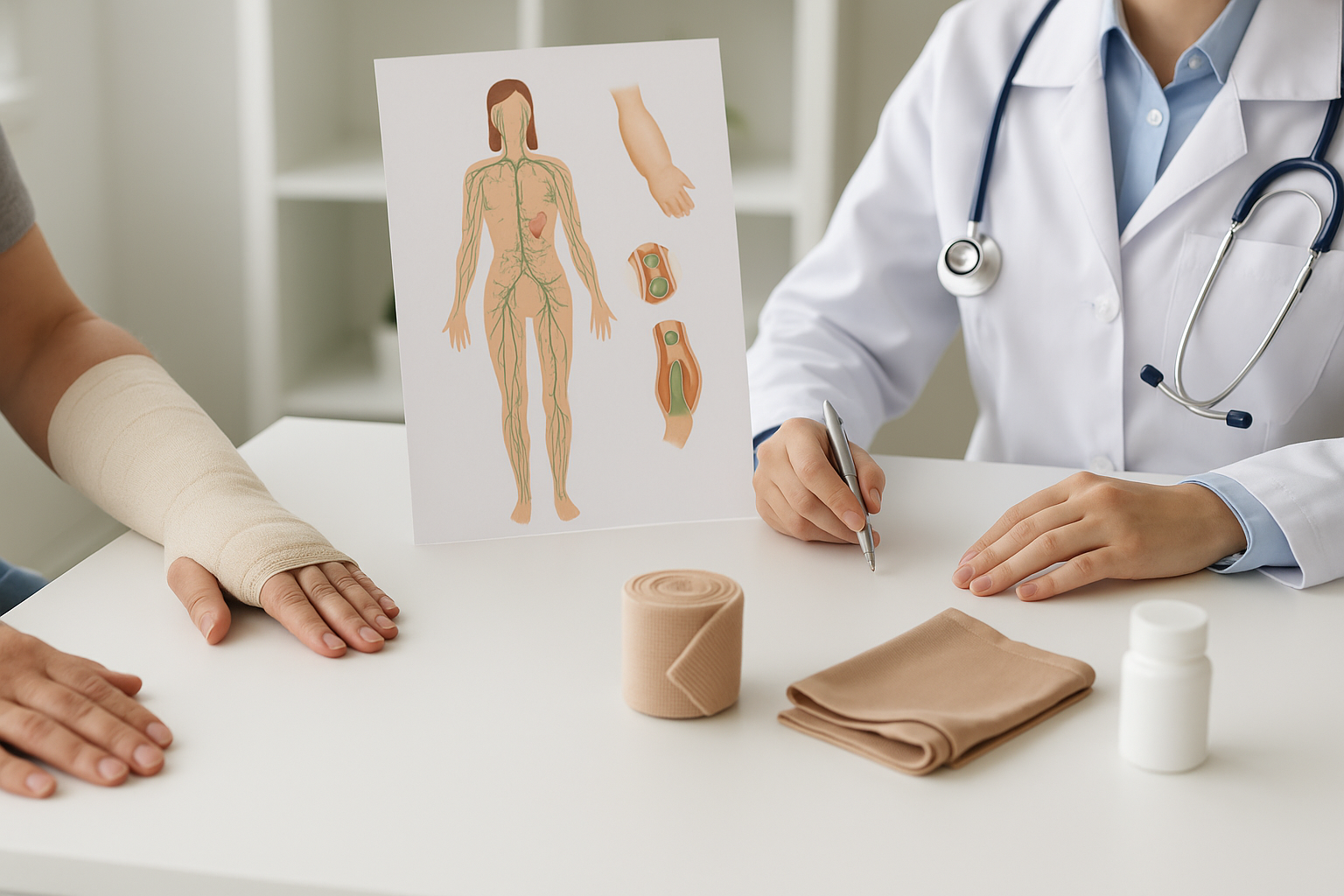
Compression helps prevent reaccumulation of lymph fluid. Options include:
- Compression bandaging during intensive treatment
- Custom-fitted compression garments for long-term management
- Intermittent pneumatic compression devices used at home or in clinics
Choosing the right compression depends on limb shape, severity, and lifestyle. Garments should be fitted by a specialist.
Exercise and movement
Appropriate exercise builds muscle pump activity to assist lymph flow. Low-impact activities such as walking, swimming, and guided resistance exercises are commonly recommended and are usually combined with compression.
Skin and wound care
Healthy skin is less likely to develop infection. Daily inspection, moisturizing, avoiding cuts or insect bites, and prompt treatment of any breaks in the skin help reduce cellulitis risk.
Surgical treatment options
Surgery is considered when conservative measures are insufficient or when lymphedema has progressed to fibrotic, tissue-rich stages. Surgical options aim to restore drainage or remove excess tissue.
Lymphovenous anastomosis (LVA)
LVA connects lymphatic vessels to nearby veins, allowing lymph to bypass obstructed areas. It’s usually most effective in early-stage lymphedema when lymph vessels are still functional.
Vascularized lymph node transfer (VLNT)
VLNT transplants healthy lymph nodes and their blood supply from one part of the body to the affected area, promoting new lymphatic pathways. It can reduce swelling and infection frequency but requires microsurgical expertise.
Liposuction and excisional procedures
For chronic lymphedema with significant fatty and fibrotic tissue, water jet assisted liposuction or excisional debulking may be used to decrease limb volume. These procedures usually require lifelong compression afterward.
Emerging and adjunct therapies
Research is expanding options beyond traditional care.
- Low-level laser therapy and therapeutic ultrasound have shown modest benefits in some studies.
- Pharmacologic research, including growth factor and gene therapies targeting lymphangiogenesis, is ongoing but largely experimental.
- Bioimpedance spectroscopy and perometry help monitor fluid changes and detect lymphedema early.
Choosing the right treatment
Management should be individualized. Key factors include lymphedema stage, cause, comorbidities, patient goals, and access to trained therapists and surgeons. A multidisciplinary team often yields the best results, involving lymphedema-certified therapists, vascular or plastic surgeons, primary care, and infectious disease specialists when infections are frequent.
Prevention, early detection, and self-care
Early intervention improves outcomes. People at risk should learn prevention strategies such as skin protection, gradual return to activity after surgery, weight management, and wearing preventive compression when recommended. Regular self-monitoring or surveillance programs can catch swelling before it becomes established.
When to see a specialist
Seek evaluation if you notice persistent swelling, heaviness, recurring infections, or if conservative measures aren’t helping. Early referral to a certified lymphedema therapist or a specialist can slow progression and broaden treatment choices.
Conclusion
Lymphedema is a chronic but often manageable condition. A combination of conservative care, surgery in select cases, and thoughtful self-management can reduce swelling, lower infection risk, and improve quality of life. Work with a knowledgeable care team to create a plan that matches your needs and goals.