Understanding Sharp Debridement
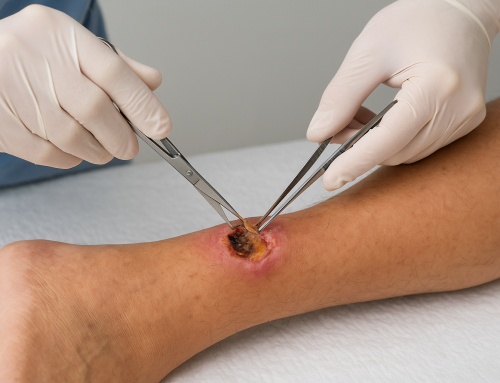
Sharp debridement is a focused clinical procedure used to remove dead, damaged, or infected tissue from a wound using sterile instruments — usually scalpels, scissors, or curettes. It is a cornerstone of advanced wound care because removing nonviable tissue promotes healing, reduces infection risk, and prepares the wound bed for dressings, topical agents, or reconstructive procedures.
When Is Sharp Debridement Indicated?
Sharp debridement is commonly used in:
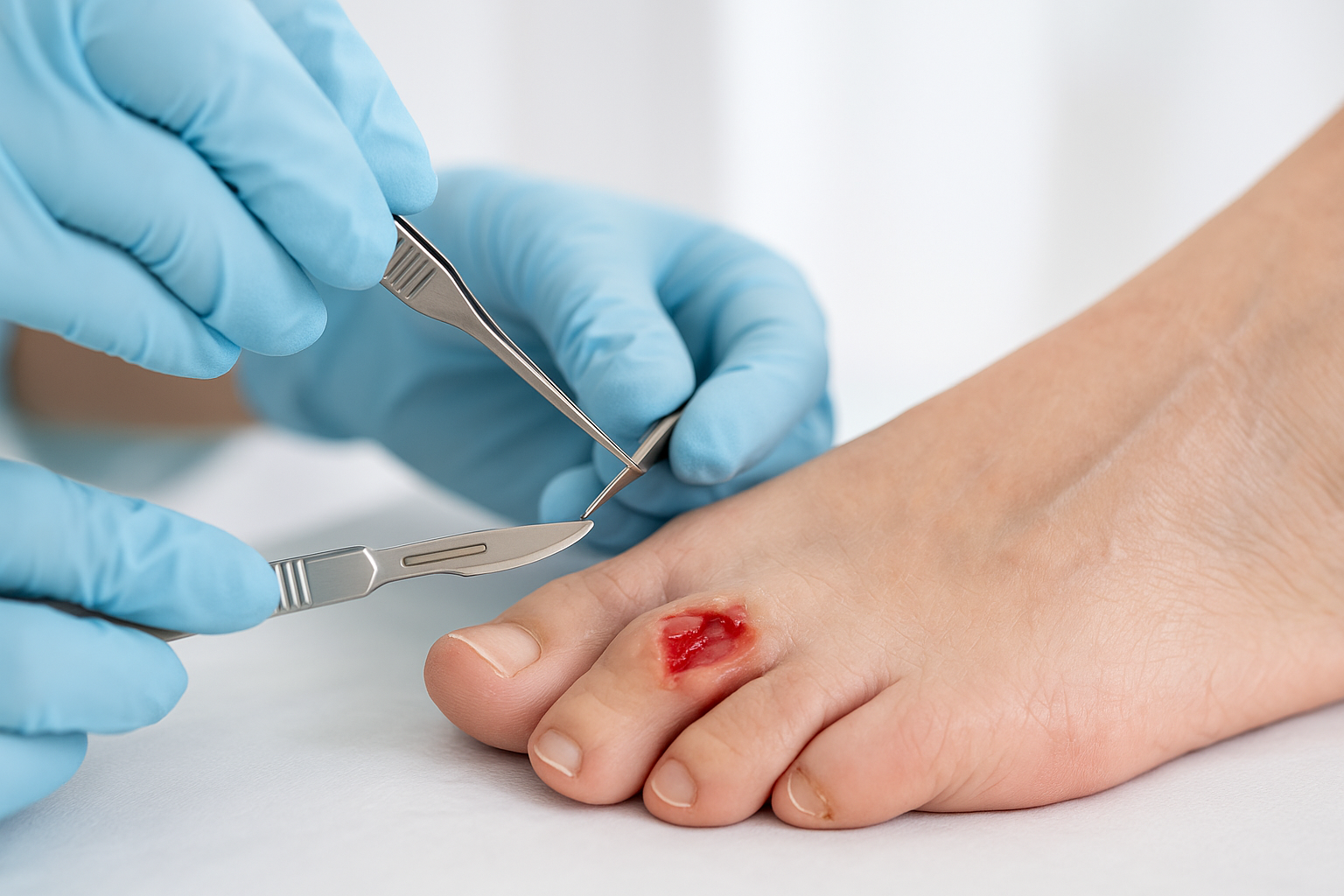
- Chronic non-healing wounds such as diabetic foot ulcers, venous leg ulcers, and pressure injuries
- Wounds with large slough or eschar that impede healing
- Infected wounds where removal of necrotic tissue helps reduce bioburden
- Acute traumatic wounds with devitalized tissue
Contraindications and Cautions
Not every wound is a candidate for sharp debridement. Contraindications or cautions include:
- Poorly controlled bleeding disorders or anticoagulation without appropriate management
- Ischemic wounds with inadequate blood supply until vascular status is optimized
- Stable, dry eschar over an ischemic limb where eschar provides protection
- Areas where vital structures (tendons, nerves, major vessels) are exposed and risk accidental injury
Preparation and Patient Assessment
Good preparation improves safety and outcomes. Steps include:
- Thorough wound assessment: size, depth, presence of slough/eschar, signs of infection, and vascular status.
- Review medical history, allergies, bleeding risk, and pain control needs.
- Obtain informed consent — explain benefits, risks, alternatives, and post-procedure care.
- Prepare a sterile field and ensure availability of emergency supplies (hemostatic agents, sutures, dressing materials).
Procedure Steps
Sharp debridement should be performed by a trained clinician. A typical step-by-step approach:
- Position and expose the wound; apply appropriate antiseptic to surrounding skin.
- Provide analgesia or anesthesia as required — topical, local infiltration, or regional block depending on wound and patient comfort.
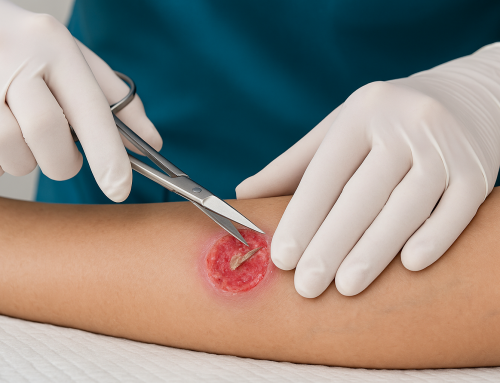
- Use sterile instruments (scalpel, scissors, curette) to carefully excise nonviable tissue, working from the wound edge toward healthy tissue.
- Debride until a viable, bleeding wound bed is reached, avoiding healthy tissue and vital structures.
- Manage bleeding with pressure, hemostatic agents, or suturing if necessary.
- Cleanse wound and apply appropriate dressing or topical therapy.
Instruments and Techniques
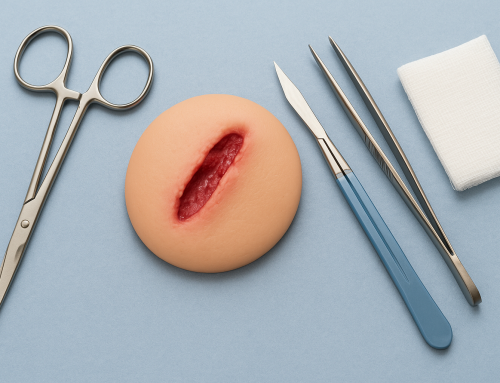
- Scalpels and scissors for precise excision of slough and eschar.
- Curettes for controlled scraping of necrotic material.
- Forceps for grasping and removing tissue.
- Technique emphasizes conservative, layered removal with frequent reassessment to avoid over-debridement.
Pain Management
Pain control is crucial. Mild wounds may only need topical anesthetic; deeper or extensive debridement often requires local infiltration or nerve blocks. Offer oral analgesics pre- and post-procedure as necessary and monitor patient comfort throughout.
Risks and Complications
When performed properly, sharp debridement is effective and generally safe, but potential complications include:
- Bleeding, which can be significant in patients with coagulopathy
- Pain during or after the procedure
- Accidental injury to tendons, nerves, or vessels
- Failure to control infection if not combined with appropriate antimicrobial therapy
Aftercare and Wound Management
Post-procedure care supports healing and reduces recurrence:
- Apply appropriate moist wound dressings to promote granulation.
- Provide clear verbal and written instructions on dressing changes, signs of infection, and when to seek care.
- Schedule follow-up wound assessments — repeated debridement may be necessary for chronic wounds.
- Address underlying factors: glycemic control, nutrition, offloading for foot ulcers, and vascular optimization.
Benefits Compared to Other Debridement Methods
Sharp debridement is often faster and more targeted than enzymatic, autolytic, or mechanical methods. It can quickly reduce necrotic burden and bacterial load, making it valuable when prompt wound bed preparation is needed. However, it requires clinical skill and may be less suitable when patients have high bleeding risk or when conservative debridement is preferred.
Patient Education: What to Expect
Explain the goals of the procedure: removal of dead tissue to help the wound heal. Reassure patients about pain management, likely need for repeat treatments, and the importance of follow-up care. Clear communication improves adherence and outcomes.
Conclusion
Sharp debridement is an important, efficient technique in wound management when performed by trained clinicians. With proper assessment, analgesia, and follow-up, it can accelerate healing and reduce infection risk. Coordination with broader care — addressing circulation, infection, and underlying health issues — makes sharp debridement most effective.