
The Colony, TX – Allograft Therapy
The Colony, Texas is a vibrant lakeside community where residents value staying active, independent, and engaged in everyday life. When a wound fails to heal, however, even simple activities can become difficult and frustrating. Chronic wounds may limit mobility, cause persistent discomfort, and increase concern about infection or long-term complications. For patients in The Colony, TX, advanced wound care offers a specialized approach when traditional treatments are no longer producing results.
Anchor Wound Management provides advanced wound care services for patients in and around The Colony and may incorporate cellular tissue product (CTP) therapies, including placental allografting, when clinically appropriate. These therapies are used as part of an individualized, medically guided treatment plan focused on addressing the wound itself as well as the underlying conditions that can slow or prevent healing.
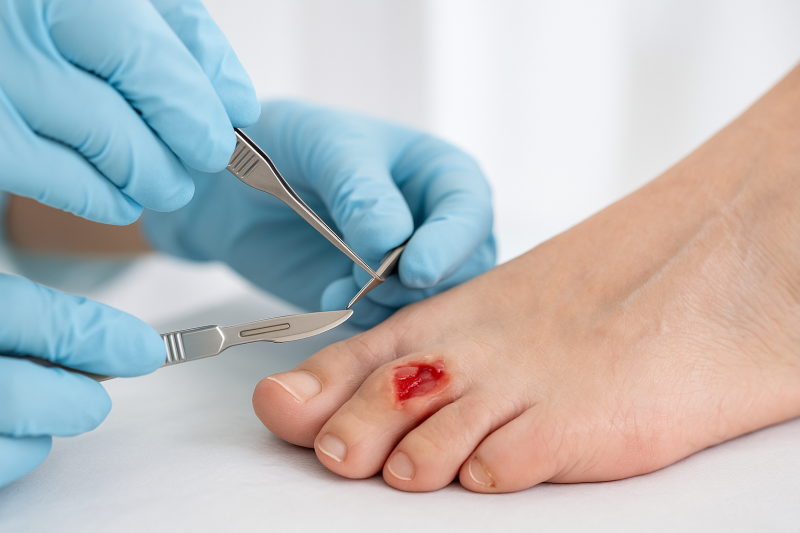
Why Chronic Wounds Require Specialized Care
Most wounds heal through a predictable process, but when that process is disrupted, healing can stall. A wound is generally considered chronic when it fails to show consistent improvement after several weeks of appropriate care. Chronic wounds are often more complex than they appear and typically require a deeper level of evaluation and treatment.
Common contributors to delayed healing include impaired circulation, prolonged inflammation, swelling, repeated pressure, tissue breakdown, and bacterial burden. Chronic health conditions such as diabetes, cardiovascular disease, and venous insufficiency frequently play a significant role and must be addressed alongside direct wound treatment to achieve lasting results.
Advanced Wound Care Beyond Basic Dressings
Advanced wound care focuses on restoring the wound environment so the body can resume its natural repair process. This approach includes careful wound bed preparation, infection risk management, circulation optimization, and strategies to reduce pressure and mechanical stress on vulnerable tissue.
When wounds fail to progress despite appropriate standard care, advanced therapies may be introduced to provide additional biologic and structural support. Cellular tissue product therapies are one such option, selected based on the specific characteristics of the wound and the patient’s overall health.
What Are Cellular Tissue Product (CTP) Therapies?
Cellular tissue product therapies are advanced biologic materials designed to interact directly with the wound bed. Unlike conventional dressings that primarily serve as protective coverings, CTPs are intended to support cellular activity and tissue repair at a deeper level.
By helping stabilize the wound microenvironment and support organized tissue growth, these therapies may assist wounds that are stuck in a prolonged inflammatory phase and help move them toward active healing. CTPs are not standalone treatments but are used in conjunction with comprehensive wound care strategies.
The Role of Placental Allografting in Modern Wound Care
Placental allografts are among the most widely used cellular tissue products in advanced wound management. These grafts are derived from donated placental tissue and processed under strict safety and quality standards to ensure consistency and patient safety.
Placental tissue contains naturally occurring extracellular matrix components and biologic signaling elements involved in tissue repair. When applied to a properly prepared wound bed, placental allografts may help create an environment that supports new tissue formation and continued wound progression.
Clinical Objectives of Placental Allografting
- Encouraging healthy tissue formation: Supports organized granulation tissue development.
- Helping regulate inflammation: Chronic wounds often remain inflamed longer than necessary.
- Providing a biologic framework: Assists cellular migration and repair processes.
- Maintaining wound stability: Helps support proper moisture balance.
Placental allografting is not appropriate for every wound. A thorough clinical assessment is required to determine whether this therapy aligns with the wound’s condition, circulation status, infection risk, and the patient’s overall health.
Common Factors That Delay Wound Healing
Patients seeking wound care in The Colony, TX often experience one or more underlying factors that interfere with healing. Identifying and managing these contributors is a critical component of advanced wound care.
- Reduced blood flow: Limits oxygen and nutrient delivery to healing tissue.
- Diabetes-related changes: Can impair immune response and sensation.
- Venous insufficiency: Leads to swelling and tissue breakdown.
- Pressure or repetitive trauma: Prevents fragile tissue from recovering.
- Infection risk: Even low-grade bacterial burden can stall healing.
Anchor Wound Management integrates strategies to address these challenges alongside advanced therapies, creating a coordinated approach that supports both short-term healing and long-term tissue health.
Wounds That May Benefit From Advanced Therapies
When clinically appropriate, cellular tissue product therapies may be used to support healing in diabetic foot ulcers, venous leg ulcers, pressure injuries, non-healing surgical wounds, and traumatic wounds that have not progressed with standard treatment.
These therapies are typically combined with evidence-based wound care techniques such as debridement, infection management, compression therapy when indicated, moisture control, and pressure offloading to maximize effectiveness.
What Patients Can Expect at Anchor Wound Management
Advanced wound care is an ongoing process rather than a single visit. Patients receive comprehensive initial evaluations followed by regular follow-up appointments to monitor progress and adjust treatment plans as healing evolves.
Patient education is an essential part of care. Individuals receive guidance on wound care at home, nutrition, footwear selection, pressure management, swelling control, and lifestyle considerations that may influence healing and recurrence.
Advanced Wound Care Access for The Colony, TX
Access to specialized wound care close to home allows patients in The Colony to begin treatment earlier and maintain consistent follow-up. Early intervention may reduce complications, limit infection risk, and support more efficient healing.
Anchor Wound Management combines clinical expertise with advanced treatment options, including cellular tissue product therapies, to deliver comprehensive, patient-centered wound care for the The Colony community.
Supporting Healing and Long-Term Quality of Life
Chronic wounds can affect mobility, independence, and emotional well-being. With a structured care plan and appropriate advanced therapies, many patients are able to make meaningful progress toward healing.
For patients in The Colony, TX, Anchor Wound Management is committed to safe healing, prevention of recurrence, and long-term tissue health, helping patients return to daily life with greater comfort and confidence.
About the City of The Colony, TX
The Colony, TX is a lakeside city located in Denton County along the eastern shore of Lewisville Lake and is part of the Dallas–Fort Worth Metroplex. Known for its recreational opportunities, family-friendly neighborhoods, and growing business community, The Colony offers residents a balanced suburban lifestyle with access to outdoor activities.
The city features parks, trails, waterfront amenities, and a developing entertainment district that attracts visitors and supports local businesses. Community events and public spaces contribute to a strong sense of connection among residents.
With convenient access to major highways and nearby medical centers, residents of The Colony benefit from advanced healthcare services while enjoying the character, growth, and livability of a dynamic North Texas community.