What Are Cellular Tissue Allografts?
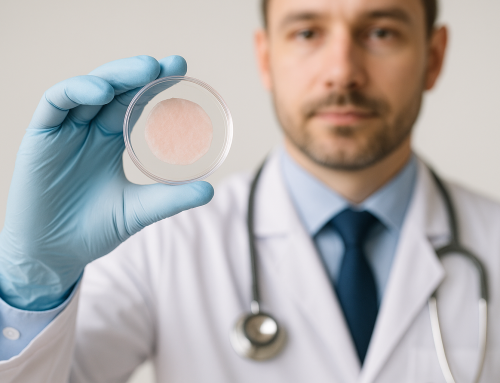
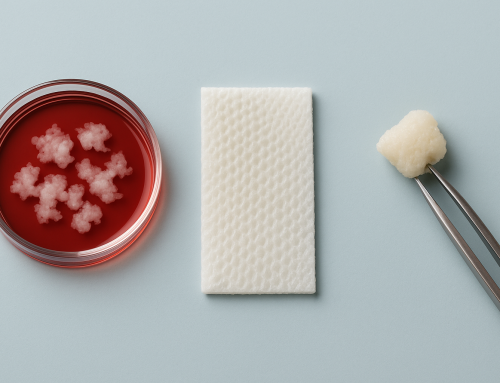
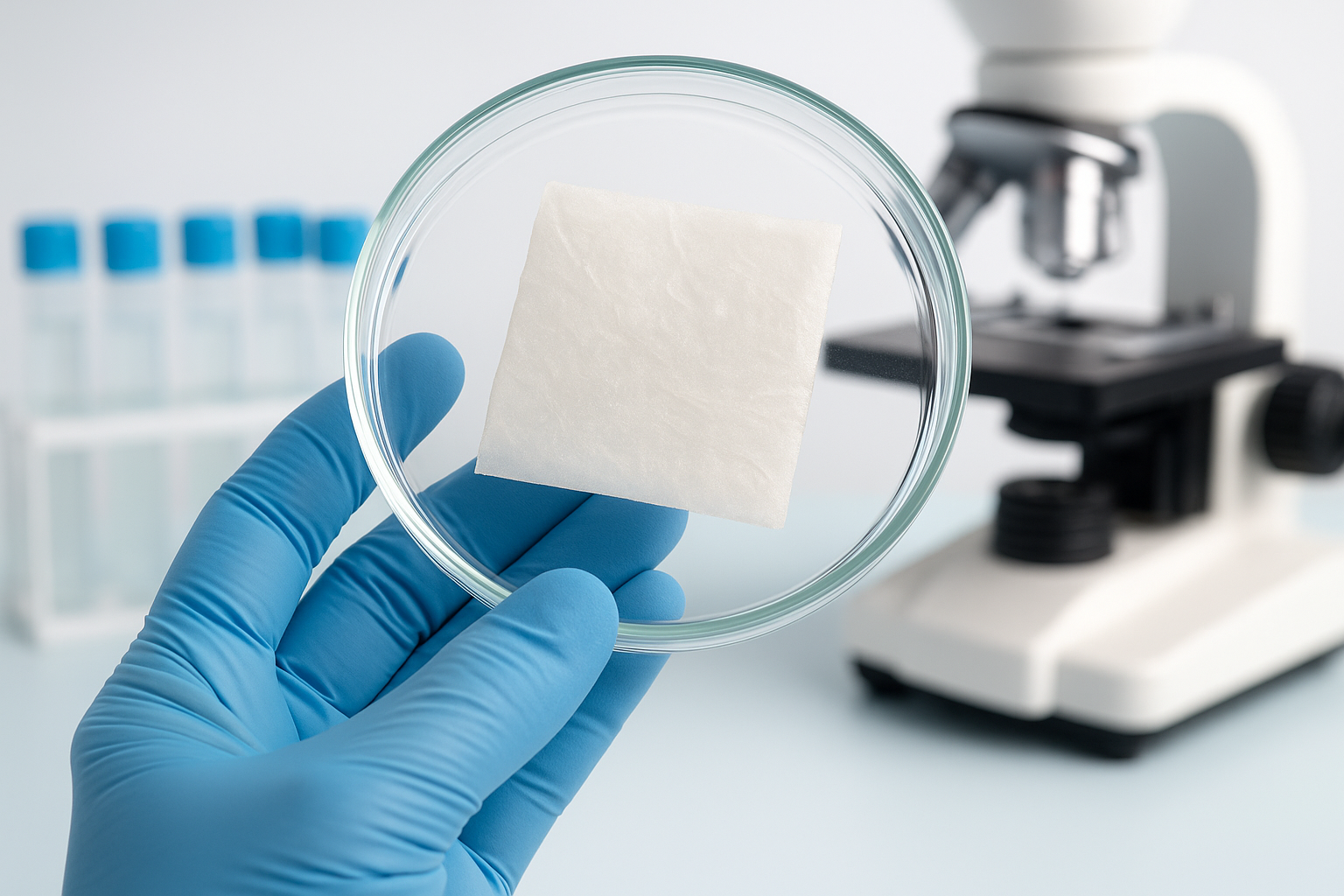
Cellular tissue allografts are medical grafts derived from donated human tissue that contains living cells. Unlike traditional grafts that are primarily made up of acellular matrix material, cellular allografts preserve viable cells such as stem cells, fibroblasts, and other essential components. These cells can play an active role in tissue regeneration and repair, providing a biological advantage in the healing process.
How Are Cellular Tissue Allografts Prepared?
The preparation of cellular tissue allografts involves a careful process to maintain cell viability while ensuring the safety and sterility of the graft. Donor tissues are typically procured from screened and consented donors. The tissue undergoes decontamination and is processed under strict sterile conditions. Advanced preservation techniques, such as cryopreservation, help maintain the live cells within the tissue until it is ready for clinical use.
Common Types and Applications
Cellular tissue allografts are used across various medical specialties, including orthopedics, wound care, dental surgery, and reconstructive procedures. Some common types include:
- Skin Allografts: Used in burn treatment and chronic wound management to provide a biologically active scaffold that promotes healing.
- Musculoskeletal Allografts: Including tendon and ligament grafts, which may contain viable cells to improve integration and repair.
- Placental and Amniotic Tissue Allografts: Rich in stem cells and growth factors, these grafts support tissue regeneration and reduce inflammation.
Orthopedic Uses
In orthopedics, cellular tissue allografts are often used to aid in the healing of bone defects, cartilage injuries, and tendon repairs. The presence of viable cells in these grafts enhances the regenerative capacity of damaged tissues, potentially improving patient outcomes.
Wound Care Applications
Cellular allografts are increasingly popular in managing chronic wounds such as diabetic foot ulcers and venous leg ulcers. These grafts provide biological scaffolding and promote cellular activities crucial for wound closure, helping to expedite healing when conventional methods fall short.
Benefits of Cellular Tissue Allografts
Using cellular tissue allografts offers several advantages over acellular grafts or synthetic alternatives:
- Enhanced Healing: The presence of living cells contributes growth factors, cytokines, and extracellular matrix proteins that support natural repair processes.
- Reduced Inflammation: Certain cellular allografts, especially those derived from placental tissues, possess anti-inflammatory properties that may accelerate recovery.
- Improved Integration: Viable cells encourage better graft incorporation with host tissues, minimizing rejection and complications.
- Versatility: Cellular allografts are suitable for a range of clinical situations, improving patient care options.
Potential Risks and Considerations
While cellular tissue allografts are generally safe and effective, some important considerations include:
- Immunogenicity: There is a potential for immune response, although processing methods aim to reduce this risk.
- Cost: These grafts can be more expensive than traditional options due to complex processing and preservation requirements.
- Storage and Handling: Proper maintenance of cell viability requires specific storage conditions, such as refrigeration or freezing, which may impact logistics.
- Regulatory Compliance: Donor screening and processing are tightly regulated to prevent disease transmission, emphasizing the importance of choosing reputable tissue banks.
Future Perspectives
Research continues to advance the development of cellular tissue allografts, focusing on improving cell viability, enhancing bioactivity, and expanding applications. Innovations such as combining cellular allografts with growth factors or gene therapy hold promise for even more effective regenerative treatments in the future.
Conclusion
Cellular tissue allografts represent an exciting frontier in regenerative medicine, offering unique advantages by harnessing living cells to support tissue repair. By understanding their preparation, applications, benefits, and considerations, healthcare providers can make informed choices to optimize patient outcomes. As technology evolves, these grafts will likely play an increasingly important role in modern medical care.