What is sharp debridement?
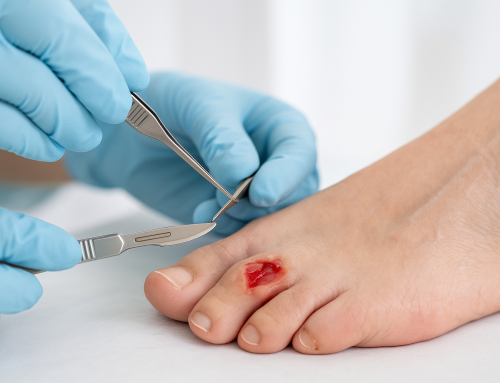
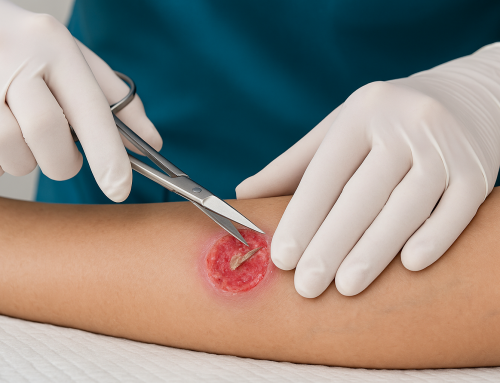
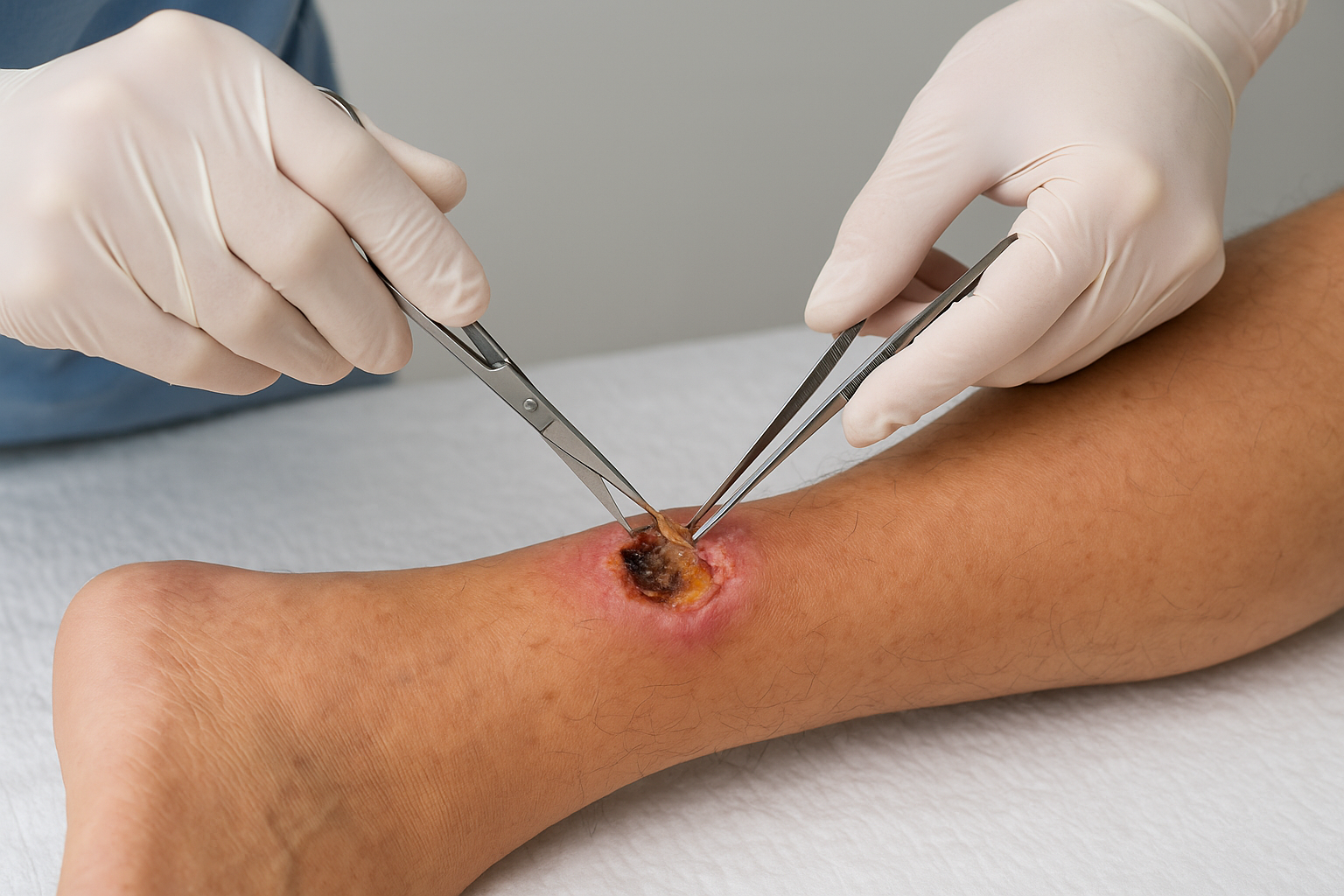
Sharp debridement is a medical procedure that uses instruments such as scalpels, scissors, or curettes to remove nonviable (dead) tissue, foreign material, or thickened callus from a wound. The goal is to convert a chronic or contaminated wound into a clean, healthy wound bed that can progress through the normal stages of healing.
Why and when is sharp debridement used?
Sharp debridement is commonly used when other, slower methods of debridement (like autolytic or enzymatic) are insufficient or too slow, or when rapid removal of necrotic tissue is essential to reduce infection risk. Typical indications include:
- Chronic ulcers (pressure ulcers, venous or diabetic foot ulcers) with necrotic tissue or thick slough.
- Infected wounds where removing devitalized tissue helps control bacterial burden.
- Thick hyperkeratotic tissue or callus contributing to recurrent tissue breakdown (common in diabetic foot disease).
- Tissue that prevents accurate assessment of underlying structures.
Contraindications and precautions
Sharp debridement is not appropriate for every wound. Important contraindications and precautions include:
- Poorly perfused tissue without prior vascular assessment—debridement of ischemic tissue may worsen outcomes.
- Active bleeding disorders or uncontrolled anticoagulation without medical clearance.
- Unfamiliarity with anatomy—aggressive debridement near tendons, nerves, or vessels should be avoided without specialist care.
- Stable eschar on the heel in certain patients (may protect underlying tissue) depending on clinical context.
How is sharp debridement performed?
Sharp debridement is most often performed in a clinic or bedside setting, sometimes in the operating room for extensive wounds. The process typically follows these steps:
Assessment and preparation
- Review medical history, allergies, and anticoagulation status.
- Assess vascular supply (e.g., ankle–brachial index, toe pressures) especially in diabetic or peripheral arterial disease patients.
- Discuss risks, benefits, and obtain consent.
Technique and tools
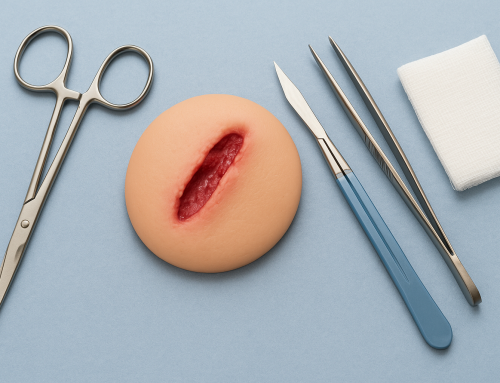
Common instruments include scalpel blades, iris scissors, curettes, and forceps. Local anesthesia is frequently used to manage pain. The clinician removes loose, nonviable tissue until healthy-appearing tissue is reached, characterized by bleeding and a pink, granular appearance.
Benefits and risks
Benefits:
- Rapid reduction of necrotic tissue and bacterial load, which can speed healing.
- Allows better assessment of wound depth and possible underlying infection (like osteomyelitis).
- Can relieve pressure from callus or hyperkeratosis that contributes to recurrent wounds.
Risks:
- Bleeding—minor to significant, depending on depth and vascularity.
- Pain during or after the procedure if not adequately anesthetized.
- Potential injury to healthy structures (tendons, nerves, vessels) if performed by an inexperienced clinician.
- Transient increase in exudate as the wound transitions to a healing phase.
Aftercare and healing expectations
Following sharp debridement, appropriate wound care is crucial. Typical aftercare steps include:
- Application of a suitable dressing to maintain a moist wound environment and control exudate.
- Regular reassessment and repeated debridement sessions if necessary to maintain a clean wound bed.
- Addressing underlying factors—improving blood flow, controlling blood sugar in diabetes, pressure redistribution, and infection management.
- Educating the patient on signs of complications (increased pain, redness, swelling, fever, heavy bleeding) and when to seek care.
Healing timelines vary with wound size, depth, patient health, and whether contributing issues are managed. Many wounds show improvement after serial debridements combined with comprehensive wound care.
Who performs sharp debridement and where?
Sharp debridement is performed by trained clinicians: podiatrists, wound care specialists, surgeons, and skilled nurses with wound-care certification. It can be done in outpatient wound clinics, primary care or podiatry offices, hospitals, or the operating room for extensive cases.
Alternatives to sharp debridement
Not every wound needs sharp debridement. Alternatives include:
- Autolytic debridement: using the body’s enzymes with occlusive dressings.
- Enzymatic debridement: topical agents to break down necrotic tissue.
- Mechanical debridement: wound irrigation, wet-to-dry dressings (less selective).
- Biological debridement: medical-grade maggots to consume necrotic tissue (in selected cases).
Conclusion
Sharp debridement is a powerful, often necessary tool in modern wound care when performed by experienced clinicians. It can quickly remove barriers to healing and reduce infection risk, but it requires careful patient selection, vascular assessment, and thoughtful aftercare. If you or someone you care for is facing a chronic wound, discuss whether sharp debridement is appropriate with a wound specialist to balance benefits and risks and create a comprehensive healing plan.