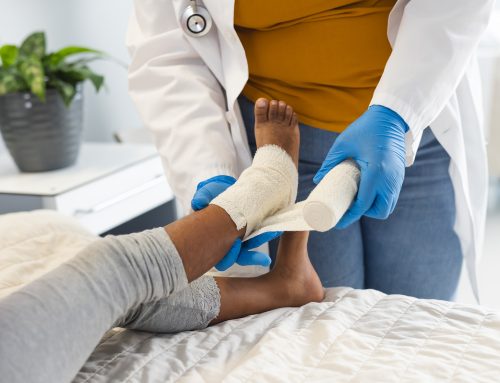
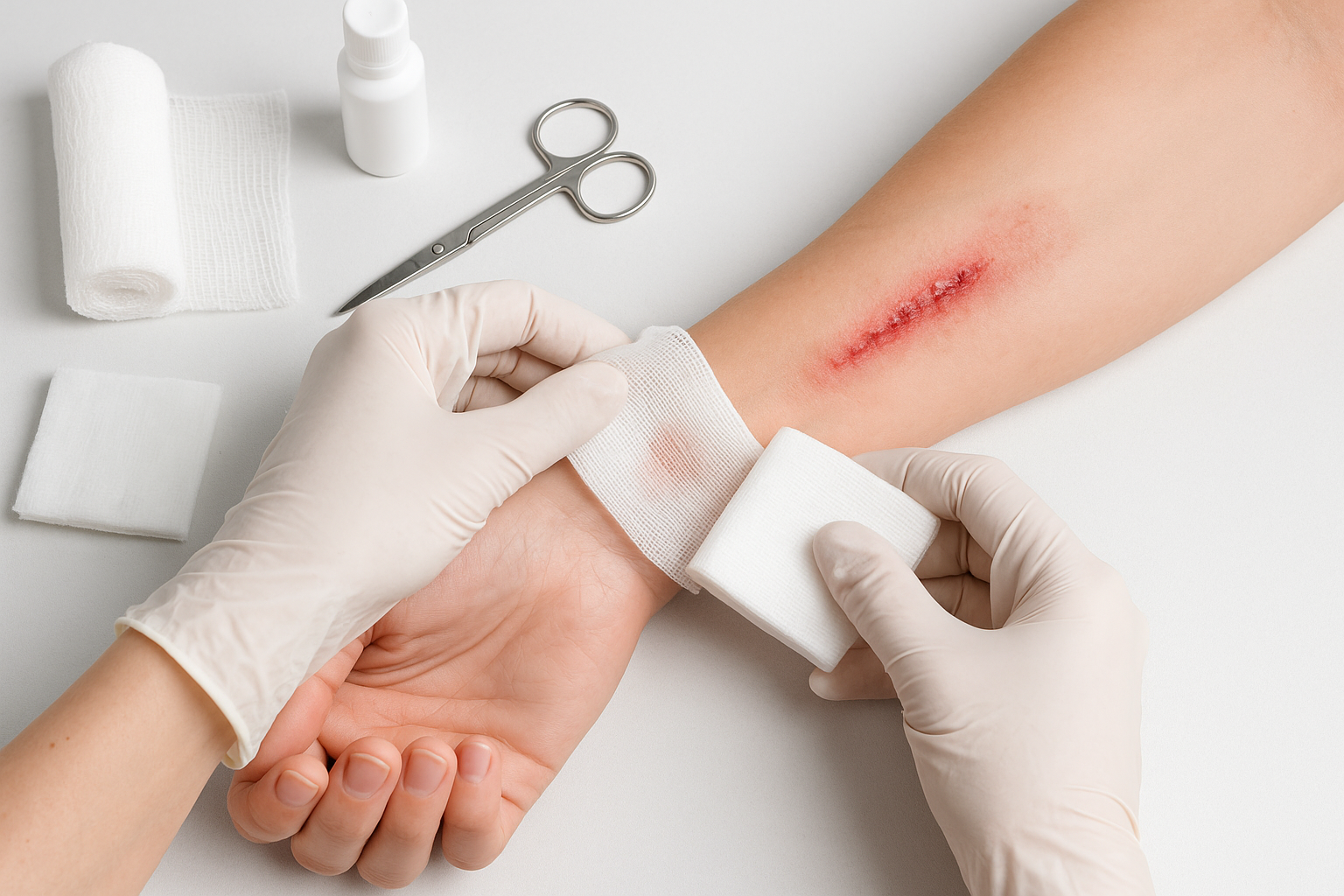
Changing a wound dressing is a routine task that can feel intimidating at first, but with the right approach it becomes straightforward and empowering. Proper dressing changes reduce infection risk, promote healing, and help you spot problems early. This guide covers when to change dressings, what supplies you’ll need, a step-by-step technique, and practical troubleshooting tips.
When to Change a Wound Dressing
How often you change a dressing depends on the wound type and the dressing used. General rules:
- Change dressings if they become wet, soiled, or loose.
- For clean, low-exudate wounds, follow clinician instructions—often every 24–72 hours.
- High-exudate wounds may need daily or more frequent changes.
- Post-operative wounds: follow your surgeon’s schedule and return for follow-up as instructed.
Supplies You’ll Need
- Gently-flaked saline or sterile saline solution
- Appropriate dressing (non-adherent, foam, hydrocolloid, etc.)
- Gloves (clean or sterile, as advised)
- Gauze pads, adhesive tape, or bandage wrap
- Scissors (clean) and small trash bag
- Hand sanitizer or soap and water
- Optional: skin barrier wipe, antiseptic wipes (if recommended)
Step-by-Step Dressing Change
1. Prepare the area and yourself
Choose a clean, well-lit area. Wash your hands thoroughly with soap and water for at least 20 seconds, then dry with a clean towel. Put on gloves if available. Lay out supplies on a clean surface within easy reach.
2. Remove the old dressing
Loosen tape gently—pull parallel to the skin to reduce trauma. If the dressing sticks, moisten it with sterile saline until it releases. Fold the used dressing inward as you remove it to contain drainage and place it in a trash bag.
3. Inspect the wound
Look for size, color, amount and type of drainage, and any odor. Note swelling, redness spreading beyond the wound edge, increased warmth, or new pain—these can be signs of infection.
4. Clean the wound (if instructed)
Use sterile saline or wound cleanser. Gently irrigate from the cleanest area outward—never back into the wound. Pat surrounding skin dry with sterile gauze. Avoid harsh antiseptics like hydrogen peroxide or povidone-iodine unless specifically directed by a clinician, as they can slow healing.
5. Apply the new dressing
Choose a dressing that matches the wound’s needs: non-adherent for fragile tissue, foam for absorbency, or hydrocolloid for low-exudate wounds. Place the dressing so it covers the wound completely with an overlap on healthy skin. Secure with tape or a bandage without restricting circulation.
6. Aftercare and documentation
Remove gloves and wash your hands. Date and time the dressing if helpful for tracking, and record observations (drainage, pain, odor). Dispose of waste according to local guidelines—home dressings can usually be bagged and discarded with household trash unless instructed otherwise.
Troubleshooting Common Issues
Signs of infection
Seek medical attention if you see increasing redness, warmth, swelling, new or worsening pain, pus-like drainage, fever, or red streaks spreading from the wound.
Excessive bleeding
If bleeding is heavy, apply firm pressure with sterile gauze for 10–15 minutes. If bleeding doesn’t slow, seek urgent medical care or call emergency services.
Stuck dressing
Soak the dressing with saline to loosen it. Pull gently—do not rip the dressing off. If the dressing is adhered to sutures or staples, contact your healthcare provider for guidance.
Special Considerations by Wound Type
Surgical wounds
Follow your surgeon’s instructions closely. Keep the area dry if advised, and avoid heavy lifting or movements that strain the incision until healed.
Chronic wounds and pressure ulcers
Chronic wounds require regular professional assessment. Keep pressure off the area, optimize nutrition and blood sugar control, and follow a clinician-recommended dressing regimen.
Burns
Superficial burns may need non-stick dressings and frequent changes. Deeper burns should be evaluated by a clinician; don’t apply home remedies without guidance.
When to Call Your Healthcare Provider
Contact your provider if you notice signs of infection, sudden increase in pain, wound edges that separate, persistent or heavy bleeding, or if you’re unsure about the right dressing or frequency of changes. It’s better to ask early than to wait while complications develop.
Conclusion
Regular, careful wound dressing changes protect against infection and support faster healing. With the right supplies and a calm, methodical approach, most dressing changes can be done safely at home. Keep clear records of what you observe and reach out to your healthcare team whenever something doesn’t look or feel right—your vigilance is an important part of the healing process.