
Care Tips
What to Expect at Your First Wound Care Visit in Dallas: Tests and Treatment
Learn what happens at your first visit for a non-healing wound in Dallas, including assessment, tests, and a personalized treatment plan for healing and mobility.
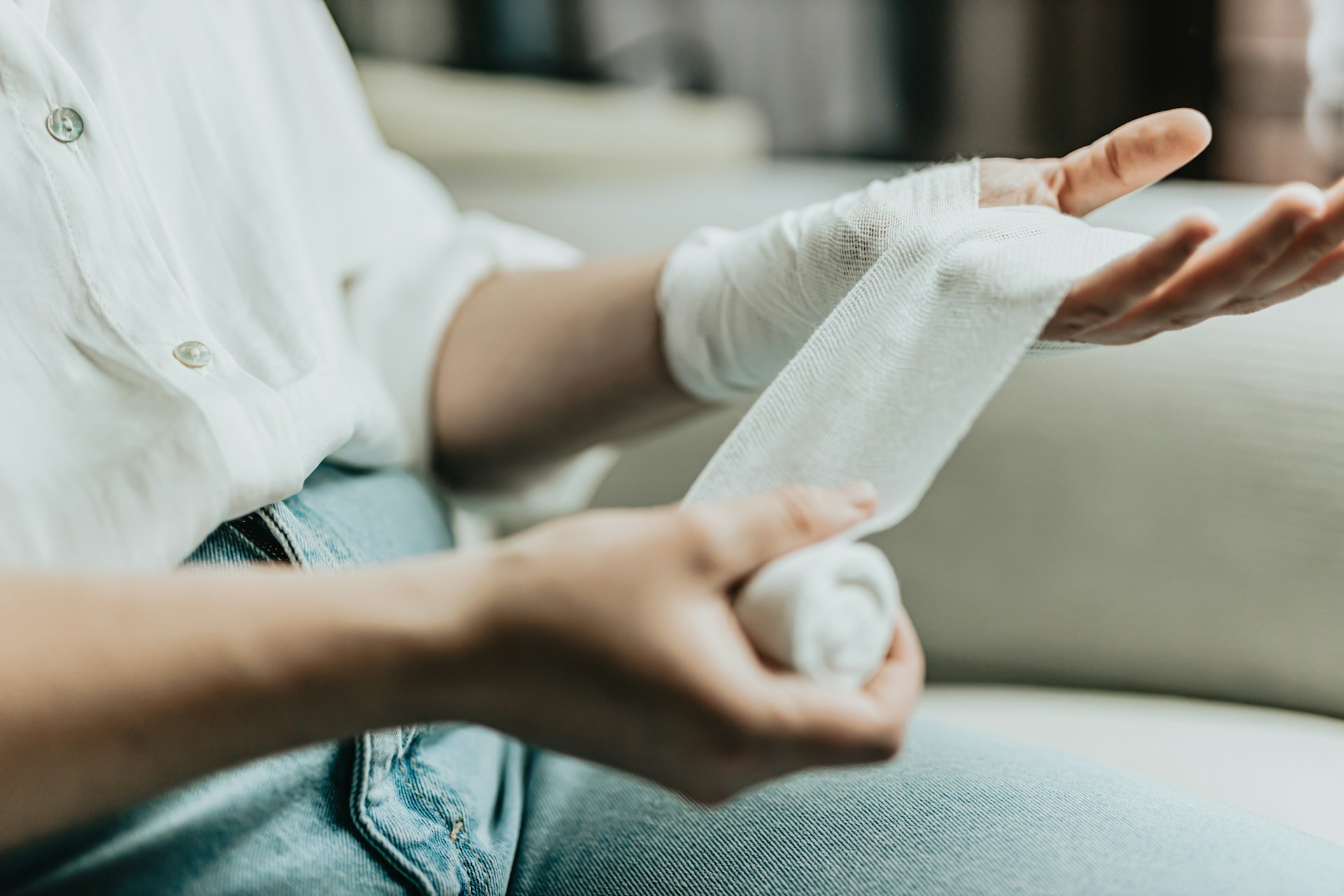


Start Your Healing Journey with Expert Wound Care
A non-healing wound in Dallas is not just annoying or ugly; it can be a real threat to your health. When a sore, ulcer, or surgical cut will not close, there is a higher risk of infection, pain, and long-term problems with walking or daily activity. Getting help from a wound care specialist is one of the safest ways to protect your health and your independence.
We know many people feel anxious before their first visit. You might worry that you will be judged, that the wound is “too bad,” or that the visit will be confusing. At a specialized clinic, the visit is organized, kind, and focused on one thing: helping your wound finally move in the right direction.
Your first appointment at a clinic like Anchor Wound Management is usually more detailed than a regular primary care visit. We take extra time to look at the wound, your medical history, and your lifestyle so we can build a plan that fits you. In the Dallas, Fort Worth area, warm weather, high humidity, and more outdoor activity in late spring and early summer can make wounds worse if they are not managed well. That is why clear expectations and strong support from the start are so important.
Preparing for Your First Wound Care Appointment
Good prep makes your first visit smoother and more productive. When you gather a few key items ahead of time, your specialist can understand your situation faster and more clearly.
Helpful things to bring include:
A list of all current medications and supplements
Any recent lab results or imaging reports
Hospital discharge papers or surgical notes
Photos of the wound from past weeks, if you have them
A written list of questions or worries you want to discuss
Your medical history is just as important as the wound itself. Be ready to share if you have:
Diabetes or problems with blood sugar
Circulation problems in your legs or feet
A history of smoking or tobacco use
Prior surgeries, especially near the wound area
Any past wound care that did not work as expected
On the day of your visit, choose clothing that gives easy access to the wound. For example, loose shorts for leg wounds or shoes that slip off for foot ulcers. Many people feel more relaxed when a family member or caregiver comes along to help remember details and take notes. Arriving a little early gives you time to fill out forms without feeling rushed, which helps everyone focus on your care once you are in the room.
For anyone living with a non-healing wound in Dallas, this early preparation helps your specialist quickly move from questions to answers during that very first appointment.
What Happens During Your Wound Assessment
When you arrive, the front desk will check you in and help you with any remaining forms. After that, a nurse or medical assistant will bring you to an exam room to start the assessment.
The initial nurse assessment often includes:
Checking your vital signs like blood pressure and heart rate
Asking about your pain level at rest and when you move
Reviewing symptoms such as drainage, odor, redness, or warmth
Then we move into a close, careful look at the wound itself. Your care team will:
Measure the length, width, and depth of the wound
Look at the wound bed, edges, and nearby skin
Check for signs that might suggest infection
Watch how you stand, walk, or move, if it is safe to do so
We do not just look at the wound. We look at you as a whole person. That might mean talking about blood sugar control, nutrition, circulation, pressure on the area, the type of shoes you wear, or how long you sit or lie in one position. All of these can affect how well a wound heals.
We understand that some wounds feel embarrassing, especially if they have been present for a long time or are in a private area. At Anchor Wound Management, we focus on respect, clear explanations, and gentle care. Our goal is to make you feel safe enough to share what you are going through so we can help you more effectively.
Tests Your Wound Care Specialist May Recommend
To understand why a wound is stuck, we sometimes need tests. Many of these can be done in the clinic and are simple and quick.
Common in-clinic tests may include:
Wound cultures to look for bacteria
Basic circulation checks, such as comparing blood flow in your arms and legs
Blood work to check blood sugar, infection markers, or nutrition status
If your wound is deep, very slow to heal, or near a bone or joint, your provider may suggest more advanced tests. These might include vascular imaging to look closely at your blood vessels, X-rays to see if the bone under the wound is affected, or other imaging to rule out damage in deeper tissues.
Not every patient needs every test. Your wound type, such as a diabetic foot ulcer, a post-surgical wound, a pressure injury, or a traumatic wound, helps guide what is ordered. Your overall health, symptoms, and history also play a large role.
The purpose of these tests is not to make things more complicated, but to uncover hidden barriers that simple dressing changes cannot fix. When we know what is really blocking healing, we can move toward more lasting solutions.
From First Visit to Personalized Treatment Plan
By the end of the visit, your wound care specialist uses everything learned from your history, exam, and any tests to shape a step-by-step plan. This plan usually covers how often you will come back, what will happen at follow-up visits, and what you will do between appointments.
At Anchor Wound Management, treatment options may include:
Advanced dressings designed for moisture control and protection
Bedside wound debridement when needed to remove dead tissue
Careful infection management when infection is present
Cellular tissue allografts when appropriate to support healing
Hyperbaric oxygen therapy for patients who qualify for this treatment
We also talk in detail about home care. That can involve how to change dressings, how to keep the wound clean and dry in the hot North Texas climate, and how to protect the area from pressure or friction. If swelling is part of the problem, we discuss ways to manage that safely. You will learn which warning signs mean you should call the clinic right away, such as a sudden increase in pain, spreading redness, or fever.
Wound care works best as a team effort. Patients, families, and the care team all play a role in protecting the wound, controlling conditions like diabetes, and helping you regain as much comfort, mobility, and independence as possible.
Take the Next Step Toward Healing in Dallas
If a wound has not changed in weeks or has started to look worse, it is time to stop hoping it will just go away. Warm weather and more outdoor activities can put extra stress on already fragile skin, especially on the feet and legs. The sooner a non-healing wound in Dallas is checked by a specialist, the better the chance of avoiding infection and long-term problems.
A simple way to get started is to notice how long the wound has been present, gather any medical records you already have, and talk with your support system about your goals for healing. From there, a thorough evaluation and a clear, personalized care plan can make a real difference. With expert wound care, advanced therapies when needed, and steady, compassionate support, many people are able to reduce pain, lower infection risk, and return to a more active life in the DFW area.
Take Control Of Your Wound Healing Today
If you or a loved one is struggling with a non-healing wound in Dallas, we are ready to come to you with experienced bedside care. At Anchor Wound Management, our team focuses on personalized treatment plans designed to support faster healing and help prevent complications. Reach out today to discuss your situation, and we will walk you through your options step by step. If you are ready to schedule a visit or ask questions, please contact us.