
Treatments
Why Wounds Don’t Heal: 10 Causes and Which Specialist to See in DFW
Learn the signs of a non-healing wound plus common causes like poor circulation, infection, diabetes, pressure, and swelling, and who to see in DFW.
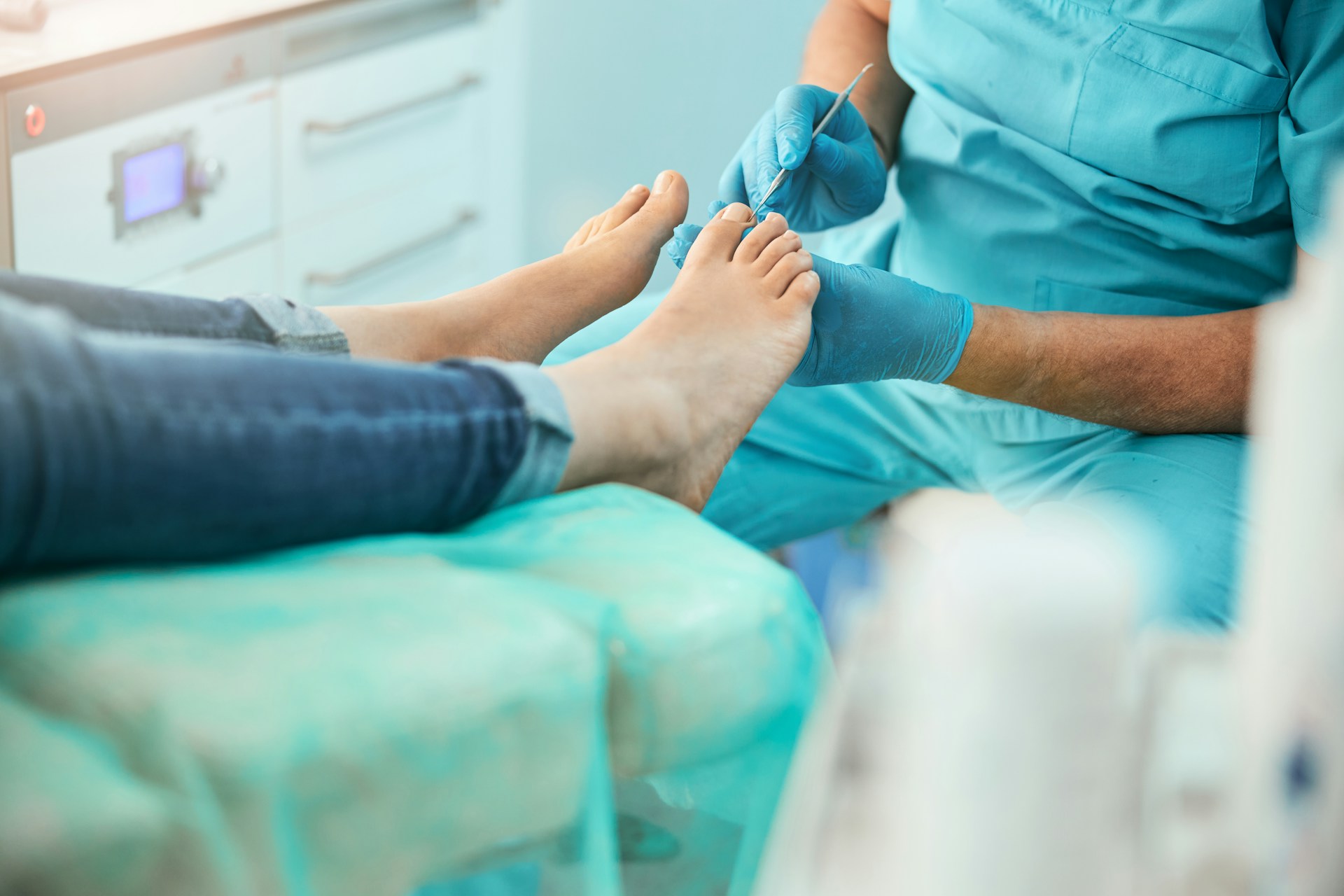


Why wounds do not heal and what that means for you
When a cut, sore, or ulcer hangs around for weeks, it is scary. You may start asking, “Why will this not close?” and “Is this a sign of a bigger problem?” That worry is reasonable, because many long-lasting wounds are linked to deeper health issues that need real attention.
An acute wound is new, like a fresh cut or scrape, and usually improves day by day. A chronic or non-healing wound is different. If it has not shrunk much after about a month, or is still open many weeks later, that is a warning sign. The good news is that stalled wounds usually have clear medical causes. When those are found early and treated by the right board-certified wound specialist near you, many people can heal at home and avoid infection, hospital stays, and even amputation with help from mobile/bedside wound care.
Key takeaways
Most non-healing wounds are linked to poor circulation, infection, diabetes, pressure, or swelling.
Warning signs include no size change after 2 to 4 weeks, more drainage, bad odor, or rising pain.
Early care from a board-certified wound specialist can lower the risk of amputation.
Mobile wound care at your bedside lets high-risk patients in Dallas and Fort Worth heal at home.
Many bedside wound visits may be Medicare Part B covered when medically necessary, per Medicare.gov.
What counts as a non-healing wound?
A non-healing wound is one that does not make steady progress. In medical terms, we watch for at least some size drop after a few weeks. If it is not about 20 to 40 percent smaller by around week four, or still has not closed by about three months in a high-risk patient, that wound is “stuck.”
Common types include:
Diabetic foot ulcers under the toes or ball of the foot
Venous leg ulcers on the lower leg above the ankle
Pressure injuries on heels, hips, and tailbone
Surgical cuts that reopen
Traumatic wounds that never quite fill in
Key signs of a non-healing wound are tissue that looks the same week after week, or even larger; drainage that keeps going or increases; a new or stronger odor; darker or gray tissue; and pain that stays the same or gets worse instead of easing. When that happens, the risk of serious infection or bone infection goes up, according to guidance from national public health and research agencies such as the CDC and NIH (cdc.gov, nih.gov).
A board-certified wound specialist reviews your overall health, not just the sore. Our role is to find the reason the wound stopped healing and to pick the right plan, dressings, and tests. If you want to read more about common wound types, you can explore our overview of wound conditions here: wound conditions.
Why do wounds stop healing?
When we come for mobile wound care at your bedside, we run through a mental checklist like this.
1. Poor circulation and artery disease
Blocked or narrow leg arteries, called peripheral artery disease, limit blood, oxygen, and nutrients. Feet may feel cool, pulses may be weak, and walking may cause calf pain that eases with rest. Wounds on toes or heels can look “punched out.” When we see this, we often order blood flow tests and may work with a vascular doctor so the wound has a chance to heal.
2. Ongoing infection in the wound
Normal early redness is different from infection. Infection shows up as spreading redness, warmth, pus, strong odor, fever, or feeling sick. Bacteria can form a slimy layer called biofilm that keeps the wound stuck even if it is cleaned. Long-lasting diabetic foot ulcers can sometimes reach bone and cause osteomyelitis. That is when we need imaging and help from infectious disease experts for IV antibiotics.
3. Uncontrolled diabetes and high blood sugar
High blood sugar harms small blood vessels and slows immune cells, so repairs move slowly. Nerve damage means people may not feel pain in the feet. So a small blister under the big toe can turn into a deep ulcer. Without better blood sugar control with your primary care or endocrine team, even the best wound treatments cannot fully do their job.
4. Constant pressure on bony spots
Pressure injuries come from staying in one position too long, especially in bed or in a wheelchair. Early signs are redness that does not fade after you change position, warmth, or tenderness over a bone. Offloading is key, like cushions, turning schedules, and heel protectors. During mobile/bedside wound care, we show caregivers how to protect these areas.
5. Swelling and venous disease in the legs
When leg veins or lymph vessels do not move fluid well, or when the heart is weak, fluid pools. Skin stretches, oxygen delivery drops, and healing slows. Venous ulcers are often shallow with heavy drainage and brown skin changes. Compression wraps, leg elevation, and medical care for heart or kidney problems are often needed. Poorly controlled swelling is one of the most common reasons leg wounds do not heal.
6. Smoking, nicotine, and oxygen problems
Nicotine squeezes blood vessels and cuts down oxygen, even from “lighter” sources like vaping or patches. Lung disease can do the same by lowering oxygen levels overall. Being honest about tobacco use helps us shape a realistic plan and timing for any needed procedures.
7. Poor nutrition and low protein
The body needs protein, calories, vitamins like C, and minerals like zinc to build new tissue. Warning signs of poor nutrition include weight loss without trying, low appetite, or looser clothes. Wounds may look pale and fragile. In some cases, adding supplements and working with a dietitian makes a real difference. We can coordinate that as part of mobile wound care for people who are homebound or in facilities.
8. Medications and steroids that slow healing
Long-term steroids, some cancer drugs, and other immune-suppressing medicines can delay repair. Blood thinners do not stop healing, but they can raise bleeding risk for procedures. Never stop medicines on your own. A wound specialist can talk with your other doctors and plan safer timing for debridement or any surgery.
9. Repeated trauma, shoes, and shear
Friction or rubbing from shoes, braces, or sliding down in bed keeps a wound open. With diabetic nerve damage, “it does not hurt” is not a safe sign, because pain signals are weaker. We often suggest offloading boots, special shoes, or custom insoles, and we can review your footwear right at your bedside.
10. Systemic illness and immune problems
Heart, kidney, or liver disease, autoimmune conditions, and transplant medicines can all slow healing. Sometimes, the limit is not the wound itself but how the whole body is doing. In those cases, our honest goal may be a smaller, stable, infection-free wound that lets you stay out of the hospital.
If you want a sense of the advanced tools that may be used in some cases, you can read more about options like hyperbaric oxygen therapy. Hyperbaric oxygen therapy is discussed by the Undersea and Hyperbaric Medical Society and in peer-reviewed wound care literature.
Who should I see first for a non-healing wound in Dallas, Fort Worth?
Many types of clinicians help with wounds. Knowing where to start matters, especially when leaving home is hard. Here is a simple comparison.
Type of clinician | Where they see you | Best for |
|---|---|---|
Primary care | Clinic | Early concerns, medication review, basic wound checks if you can travel |
Podiatrist | Clinic | Foot ulcers, nail issues, offloading and footwear for stable diabetic foot ulcers |
Vascular surgeon | Hospital or office | Blocked arteries and poor circulation when tests show low blood flow |
Infectious disease | Hospital or clinic | Serious infections and bone infections that may need IV antibiotics |
Hospital wound centers | Hospital outpatient | Complex wounds needing procedures, imaging, or hyperbaric oxygen therapy |
Mobile/bedside wound specialist | Home or facility | High-risk or homebound patients needing same-week evaluation to heal at home |
A mobile/bedside, board-certified wound specialist pulls these pieces together. We can examine the wound, order tests, adjust dressings, and coordinate with other doctors. Seeing the wound in your real setting, checking your recliner, wheelchair cushion, or bed is one reason mobile wound care in Dallas and Fort Worth can be so practical. You can see where we currently serve by visiting our locations page.
When should you skip all of this and go straight to the ER? Red flags include fast-spreading redness, high fever, chills, confusion, sudden severe pain, black or gray tissue, strong odor plus feeling very ill, or a foot that suddenly turns pale, blue, or cool. Those are signs of a medical emergency, and emergency care is safer than waiting for a home visit, as guidance from the CDC and NIH also supports.
How does mobile wound care at your bedside work?
During a typical mobile/bedside wound care visit, we review your health history and medications, measure the wound, and take photos for tracking. We check circulation, infection risk, pressure spots, and swelling. When needed, we gently clean and remove dead tissue, pick dressings, and arrange supplies. We then coach you and your caregivers on how to care for the wound between visits.
Visit frequency can be weekly or every other week, then less often as things improve. Wound care is not one-and-done. We watch for good signs, like a smaller wound with healthy pink tissue, and watch closely for any new signs of a non-healing wound. In some cases, full closure is realistic. In others, the goal is to shrink the wound, cut infection risk, and keep you out of the hospital.
Dr. Brandon Elrod, DO, FAPWCA, notes, “Our job is to bring clear, step-by-step care to your bedside, explain what is possible and what is not, and use every tool we reasonably can to help you stay home and stay safe.” As Dr. Elrod, Captain, US Army (Ret.), often explains, this mobile wound care approach was shaped by years of caring for patients in demanding settings.
If you are interested in how our approach is being shared beyond North Texas, you can read about our mobile wound care franchise model as well.
FAQs about signs of a non-healing wound
How long should I wait before seeing a wound specialist?
If a wound is not clearly smaller after 2 to 4 weeks of basic care, or looks worse at any point, it is time to see a board-certified wound specialist. This is especially true if you have diabetes, poor circulation, or trouble walking.
Can I really get advanced wound care at my bedside?
Yes, many people who are homebound or in facilities can receive debridement, advanced dressings, and close monitoring through mobile wound care at your bedside. For many Medicare patients, medically necessary services may be Medicare Part B covered, based on Medicare.gov rules (medicare.gov).
Will every non-healing wound need surgery or amputation?
No. Many chronic wounds improve when the real cause is treated early, such as blood flow issues, infection, pressure, swelling, or high blood sugar. Some severe infections or dead tissue still need surgery, but timely wound care lowers that risk.
What can I do between visits to help my wound heal at home?
Follow the dressing plan, do not skip changes, keep pressure off the wound as directed, and elevate swollen legs if your clinician has advised it. Watch for new signs of infection or color change and let your wound team know promptly.
Does insurance cover mobile wound care?
Many people with Medicare Part B and other major plans have some coverage for medically necessary home wound visits when leaving home is hard or unsafe. Benefit checks and any needed pre-approval are usually handled by the office so you know what to expect before visits continue.
How do I schedule same-week mobile wound care?
If you or a loved one has a wound that is not improving, you can request a same-week mobile/bedside wound care evaluation at your bedside. Call (940) 843-1455 or book online to see if mobile wound care is available in your area and what your insurance, including Medicare Part B, may cover. Dr. Elrod’s team also helps coordinate any needed pre-authorization so you can focus on healing.
Take Action Early To Protect Your Healing
If you or someone you care for is noticing possible signs of a non-healing wound, getting timely, specialized care can prevent serious complications. At Anchor Wound Management, we carefully assess your wound and overall health to create a treatment plan tailored to your needs. We work closely with you to support healing, reduce pain, and lower the risk of infection or hospitalization. If you are ready to talk with a specialist, please contact us today.