Care Tips
Bedsore Treatment: Building a Care Plan for Limited Mobility
Learn how a structured care plan supports bedsore treatment for bed-bound individuals, from repositioning and support surfaces to nutrition and expert care.
Published · Anchor Wound Management
Overview
- Developing a structured care plan is vital for individuals with limited mobility facing skin breakdown.
- Consistent repositioning routines and specialized support surfaces reduce persistent pressure over bony prominences.
- Daily skin hygiene, moisture barrier protection, and targeted nutrition form the foundation of tissue defense.
- Timely clinical assessment ensures professional intervention before early tissue damage advances to severe stages.
When mobility becomes severely restricted due to illness, injury, neurological conditions, or frailty, the skin faces silent, persistent stress. Navigating bedsore treatment requires far more than applying topical ointments to damaged skin; it demands an integrated, daily strategy tailored to the individual's routine and living environment. Prolonged pressure against skin and underlying soft tissues restricts blood circulation, starving cells of oxygen and essential nutrients. Without systematic interventions, minor redness can rapidly deteriorate into a complicated, non-healing wound. For families across the Dallas–Fort Worth area caring for loved ones who are bed-bound or chair-bound, building a structured care routine is the most reliable defense against wound progression.
Understanding How Pressure Injuries Develop
Pressure injuries, commonly called bedsores or pressure ulcers, develop when sustained mechanical pressure, friction, or shear forces compress soft tissue against an underlying bone or medical apparatus. According to the StatPearls clinical review of pressure injuries, approximately seventy percent of these injuries occur over the sacrum, ischial tuberosity (the sit bones), and greater trochanter (the hip), driven by persistent pressure and shear. Other frequent sites include the heels, shoulder blades, elbows, back of the head, and ankles, where delicate tissue layers are compressed against bone.
Understanding the severity of tissue compromise relies on formal staging established by the National Pressure Injury Advisory Panel (NPIAP), ranging from stage one non-blanchable erythema to stage four full-thickness skin and tissue loss, alongside unstageable injuries and deep tissue pressure injuries. As highlighted in the InformedHealth overview of pressure ulcers, tissue breakdown predominantly targets anatomical sites where bone sits directly beneath the skin, meaning regular repositioning, movement, tailored dressings, and pain relief are vital elements of therapy. Reviewing our guide on comprehensive care for pressure ulcers can help family members identify these structural risk factors early.
Core Components of Bedsore Treatment for Immobile Individuals
A successful plan for bedsore treatment coordinates four foundational elements: mechanical offloading, proper support surfaces, strict moisture control, and targeted nutrition. Missing any one of these pillars leaves fragile skin vulnerable to persistent breakdown.
Repositioning Schedules and Offloading Protocols
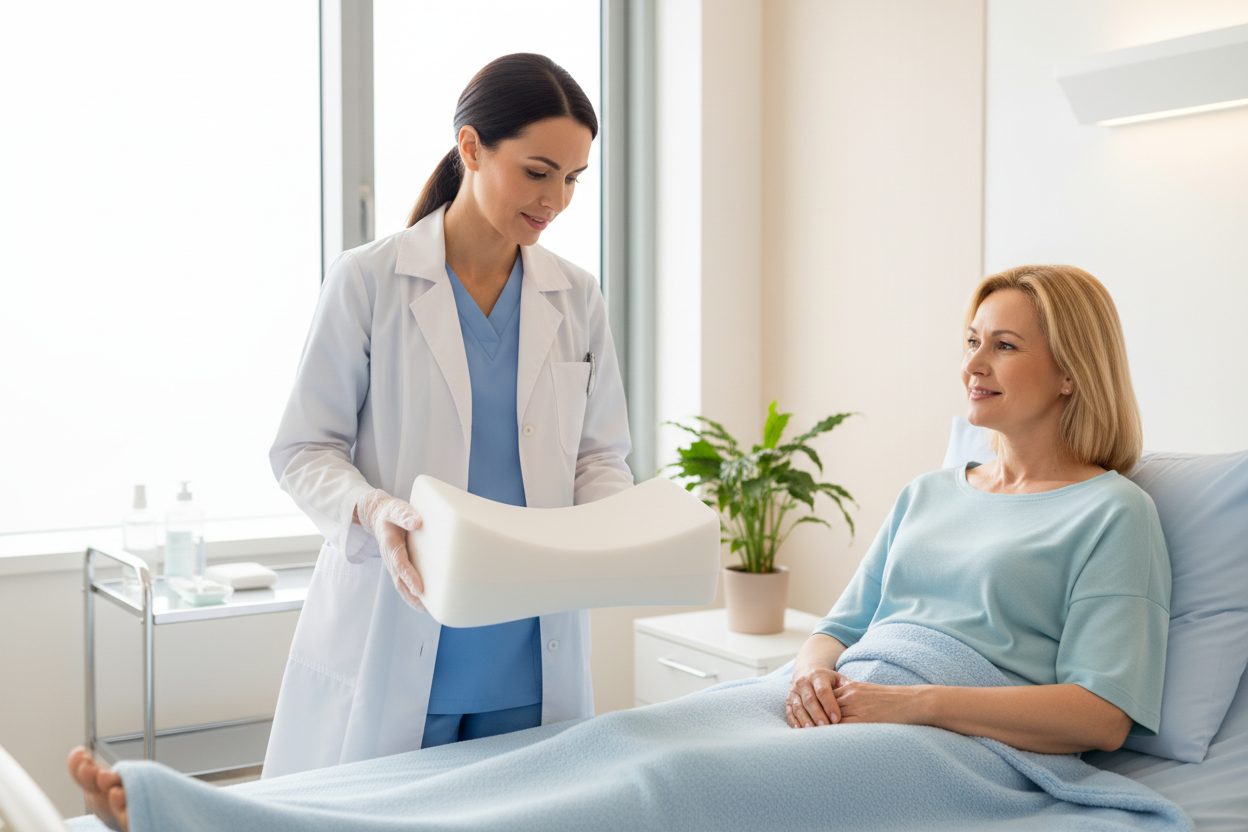
Relieving pressure is the essential prerequisite for tissue recovery. When an individual remains in one posture, capillary blood flow remains occluded, preventing natural cellular oxygenation. For individuals confined to bed, clinical guidelines recommend shifting positions at least every two hours, alternating between the back, left side, and right side. A thirty-degree lateral tilt using angled foam wedges helps distribute weight across fleshy muscle masses rather than placing direct pressure on the hip bones or tailbone.
For chair-bound or wheelchair-dependent individuals, repositioning must occur far more frequently—typically every fifteen minutes for those who can shift independently, or hourly with caregiver assistance. Caregivers must lift rather than drag the person across bedding during transfers, as shear strips fragile epidermal layers. Offloading heels by placing longitudinal pillows beneath lower legs so heels float completely off the mattress is another essential offloading habit.
Selecting and Managing Support Surfaces
Standard residential mattresses and basic wheelchair seating are not designed to protect tissue for someone with severe immobility. Specialized support surfaces are classified as static or dynamic devices based on their operational mechanism. Static options include multi-density foam mattresses, gel overlays, or static air cushions that conform around the body to spread weight across larger surface areas.
Dynamic support surfaces, such as alternating pressure mattresses and low-air-loss systems, are engineered for patients with existing ulcers or severe immobility. Alternating pressure overlays inflate and deflate chambers cyclically to periodically unload contact zones under bony prominences. In contrast, low-air-loss mattresses float the patient on circulating air to assist with microclimate temperature control. Donut-style ring cushions must never be used; they produce a tourniquet effect that restricts venous flow and elevates pressure at the wound center.
Skin Hygiene, Moisture Management, and Incontinence
Moisture weakens the stratum corneum, creating maceration that allows friction to sheer off outer skin layers. Urinary or fecal incontinence introduces enzymes that alter natural skin acid mantle balance, rapidly triggering chemical dermatitis. As outlined in the MedlinePlus guidance on preventing pressure injuries, checking skin daily, repositioning frequently, using specialized mattresses or cushions, keeping skin clean and dry, managing moisture from incontinence, avoiding friction during transfers, and maintaining balanced nutrition are essential for safeguarding tissue integrity.
Hygiene protocols should use gentle, no-rinse skin cleansers rather than drying bar soaps. After cleansing, caregivers should pat the skin gently with soft towels instead of rubbing. Breathable moisture barrier creams containing zinc oxide or dimethicone protect the perineal area from bodily fluids. Bed sheets must be kept smooth and dry, as wet sheets or tangled fabric folds create concentrated pressure ridges.
Nutritional Support for Tissue Defense and Healing
A resilient epidermis requires steady nutritional nourishment. Malnutrition, unexplained weight loss, and dehydration cause muscle atrophy and deplete subcutaneous fat cushions over bony sites. This loss of protective padding directly intensifies pressure against superficial capillaries. Moreover, tissue repair demands substantial protein to generate collagen, sustain immune defenses, and replace nitrogen lost in wound exudate.
Care plans should ensure appropriate caloric intake balanced with high-biological-value protein sources, including poultry, eggs, fish, dairy, or physician-recommended oral nutritional supplements. Adequate hydration maintains tissue perfusion and skin elasticity, protecting against cracks that invite pathogens. Clinicians may evaluate micronutrients like zinc and vitamin C to correct deficiencies, though supplement dosing should always follow personalized clinical testing rather than self-directed supplementation.
Caregiver Roles and Bedside Care Coordination
Caregivers serve as the primary coordinators of everyday skin maintenance. Juggling rigid two-hour turns, daily skin checks, incontinence management, and nutritional encouragement can be physically exhausting and emotionally draining. Maintaining a written turning log and skin tracking sheet helps families, home health aides, and visiting clinicians track changes and coordinate responsibilities seamlessly.
Transporting a bed-bound individual to traditional outpatient appointments creates significant logistical stress and pain. Recognizing the reasons bedside wound care is needed for homebound patients demonstrates how bringing clinical providers directly into the home preserves comfort and reduces emergency department visits. Through specialized bedside wound care services, clinicians can examine the patient's actual bed setup, debride non-viable tissue safely when indicated, choose appropriate dressings, and instruct caregivers on practical repositioning techniques tailored to their furniture.
Warning Signs and When to Seek Urgent Care
A crucial part of any mobility care plan is identifying when tissue compromise escalates beyond routine home management. Redness that does not turn white when touched (non-blanchable erythema) signals that tissue damage has begun beneath the surface. Immediate clinical evaluation is warranted if you observe any of the following signs:
- Persistent, non-blanching red or purple areas over bony prominences that remain warm or hardened.
- Open skin tears, blisters, craters, or exposed fatty, tendon, or muscle layers.
- Foul-smelling drainage, cloudy fluid, or green exudate pooling on dressing materials.
- Rapidly spreading redness, heat, swelling, or localized pain expanding outward from the wound margins.
- Systemic warning signs of infection, such as fever, sudden confusion, chills, or lethargy.
Advanced wound modalities, including cellular tissue products, sharp excisional debridement, or hyperbaric oxygen therapy conducted within specialized hyperbaric chamber facilities, depend entirely on formal clinical assessment and are not applicable for every wound type.
Partnering with Experienced Wound Specialists
Managing bedsore risks requires consistent daily vigilance, adaptive offloading strategies, and responsive professional guidance. If your loved one is facing pressure injuries or mobility challenges, please contact our clinical team to schedule an in-clinic or bedside consultation across Dallas–Fort Worth.
Sources
- MedlinePlus. Preventing pressure injuries.
- InformedHealth.org, IQWiG, NCBI Bookshelf. Overview: Pressure ulcers. 2026.
- Zaidi SRH, El Khatib S, Sharma S. StatPearls Publishing, NCBI Bookshelf. Pressure Injury (StatPearls). 2026.