Care Tips
Diabetic Wound Care in Dallas: Home Nutrition and Bedside Treatment
Learn how diabetic wound care in Dallas supports healing at home with nutrition guidance, bedside treatments, and advanced mobile therapies today.
Heal at Home: Diabetic Wounds Without Leaving the House
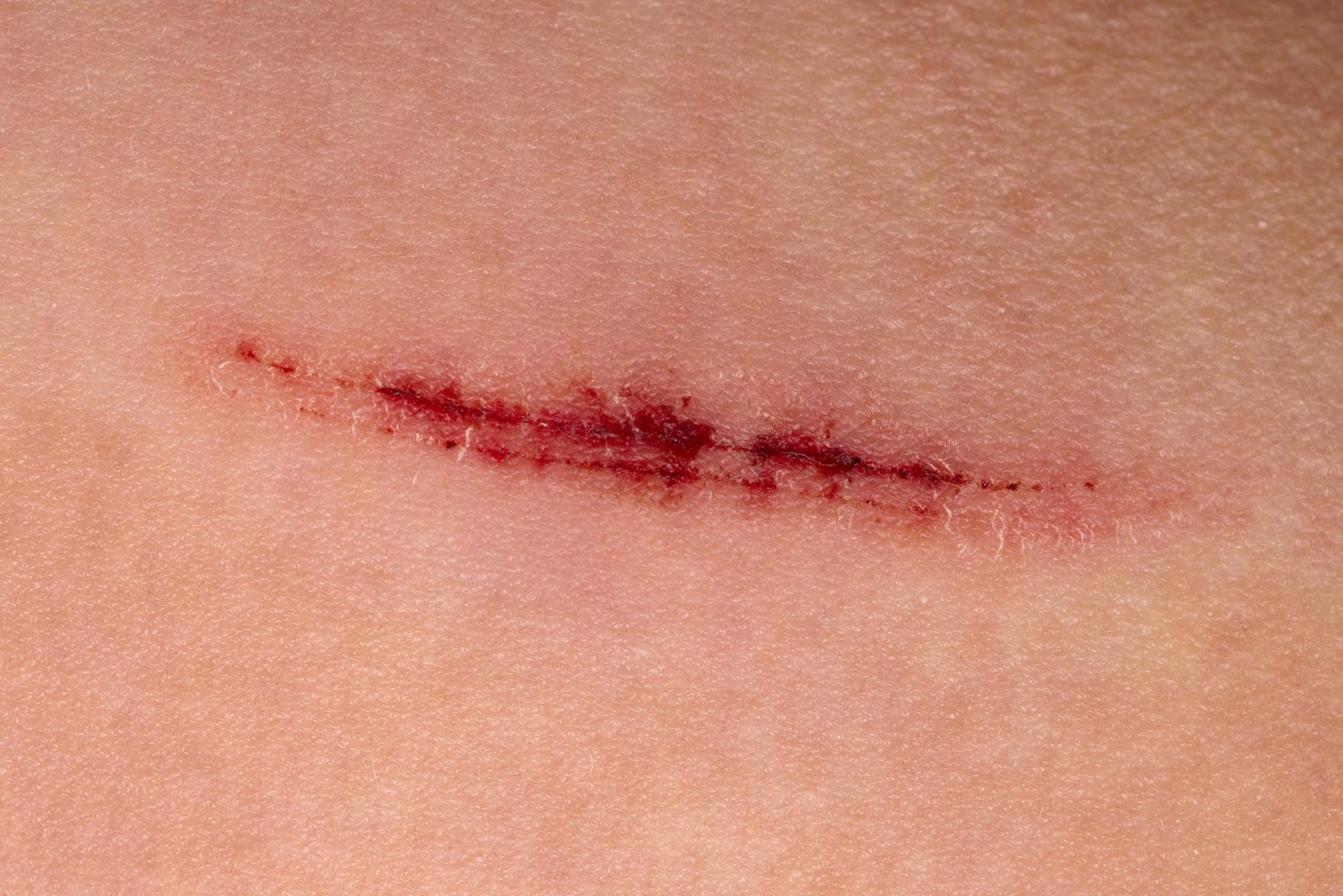
If you are tired of weekly clinic trips and watching a small sore on your foot or leg refuse to heal, you are not alone. Many people with diabetes are unsure if a wound is infected, if they need the ER, or if there is any real help in Dallas and Fort Worth. It can feel stressful and confusing, especially when every step hurts or getting a ride is hard.
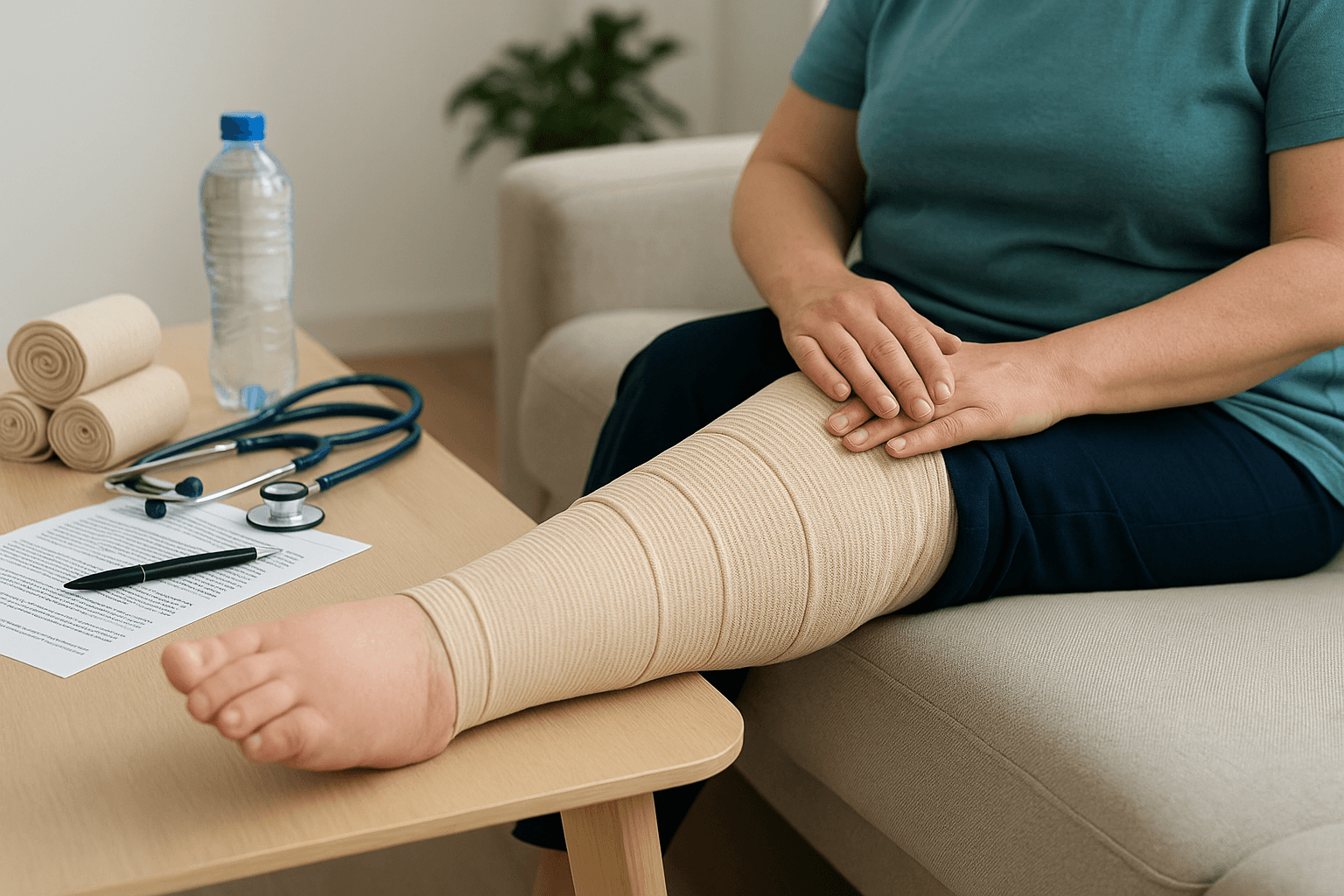
Mobile wound care brings a Board-certified wound specialist to your bedside, often in the same week. Instead of packing a bag and sitting in a waiting room, care comes to where you live, so you can Heal at Home with clear goals and a steady, compassionate plan.
Diabetic wounds are different. Diabetes can damage nerves and blood vessels, which lowers feeling and blood flow to the feet and legs, as described by the CDC and NIH (cdc.gov, nih.gov). In plain English, you may not feel a blister starting, and once the skin breaks, your body is slower to fight germs and close that wound. Early, steady care by a trained wound clinician can lower the chance of hospital stays and amputations, as supported by the American Diabetes Association and wound care research (diabetes.org, ncbi.nlm.nih.gov).
Key takeaways
Small diabetic foot wounds can become serious in weeks, not months.
Mobile wound care brings a Board-certified wound specialist to your home, often the same week.
Nutrition, blood sugar control, and pressure relief matter as much as dressings.
Many bedside mobile wound care services are Medicare Part B covered in the Dallas and Fort Worth area.
Many patients can safely Heal at Home with disciplined, at-your-bedside care.
Why diabetic wounds stall instead of heal
Diabetes changes the way your body heals. Clinically, nerve damage, poor circulation, and changes in the immune system all reduce oxygen and white blood cells at the wound site, as outlined by NIH and ADA guidance (nih.gov, diabetes.org).
In plain terms, your body is trying to repair the skin, but it is working with less blood flow, weaker germ fighters, and fewer pain alarms. That combination makes it easier for a small sore to become a deep ulcer.
At home, that means simple habits matter. Checking your feet every day, reporting calluses, blisters, or redness early, and asking for diabetic wound care in Dallas and Fort Worth before a wound gets deep can help protect your limbs. A mobile wound care team at your bedside can also screen for other wound types listed on our conditions page.
Hidden pressure is another big problem. Repeated force over bony spots, like the ball of the foot or heel, can create ulcers, especially if neuropathy blocks pain. Shoes that seem "fine" can rub a numb toe raw, and staying in one position too long can break down skin on the heels or hips.
A good mobile wound care plan will often include:
Pressure off-loading devices or inserts
Guidance on diabetic-friendly shoes and socks
Bedside skin checks by family or caregivers
Nutrition and blood sugar are the quiet drivers in the background. Poor glucose control and low protein intake slow collagen production and immune response, raising infection risk, as shown in wound care and nutrition research (e.g., ncbi.nlm.nih.gov). If your blood sugar stays high and your diet is low in protein, vitamins, and fluids, the wound will struggle to close no matter what dressing is on top.
Diabetic wound care in Dallas works best when bedside treatments, home nutrition changes, and tighter glucose management happen together. A mobile wound care clinician can help you line this up with your primary care or endocrinology team and may recommend advanced therapies listed on our treatments page when needed.
“Dressings and procedures matter, but the wound will not close unless blood flow, blood sugar, and nutrition are working in your favor. Our job is to line those up at your bedside, one by one.”
Dr. Brandon Elrod, DO, FAPWCA
Home nutrition tactics that help wounds close
Your body needs building blocks to repair skin. Clinically, wound healing needs amino acids from protein, enough calories, and micronutrients like vitamin C, zinc, and vitamin A, plus good hydration, according to NIH and clinical nutrition guidelines (nih.gov).
Put simply, your body is building new tissue, and it needs supplies and water to do the job. Without them, even excellent dressings at your bedside will not deliver the outcome you want.
Helpful steps can include:
Talking with your clinician about realistic protein and calorie goals
Adjusting for kidney or heart issues while still feeding the wound
Asking if you should see a dietitian for a custom plan
In Dallas and Fort Worth, grocery trips can support healing with simple swaps. Focus on higher protein, lower sodium, and diabetes-friendly options. Read labels for grams of carbohydrate and protein per serving, spread carbs across the day, and use fortified nutrition shakes only if your clinician agrees.
When it comes to supplements, not every bottle helps. Some oral nutrition supplements and wound formulas have been studied in clinical trials, but others can strain the kidneys or conflict with medications. Before adding powders or pills, it is safer to let your wound clinician and primary doctor review your labs and medication list at your bedside.
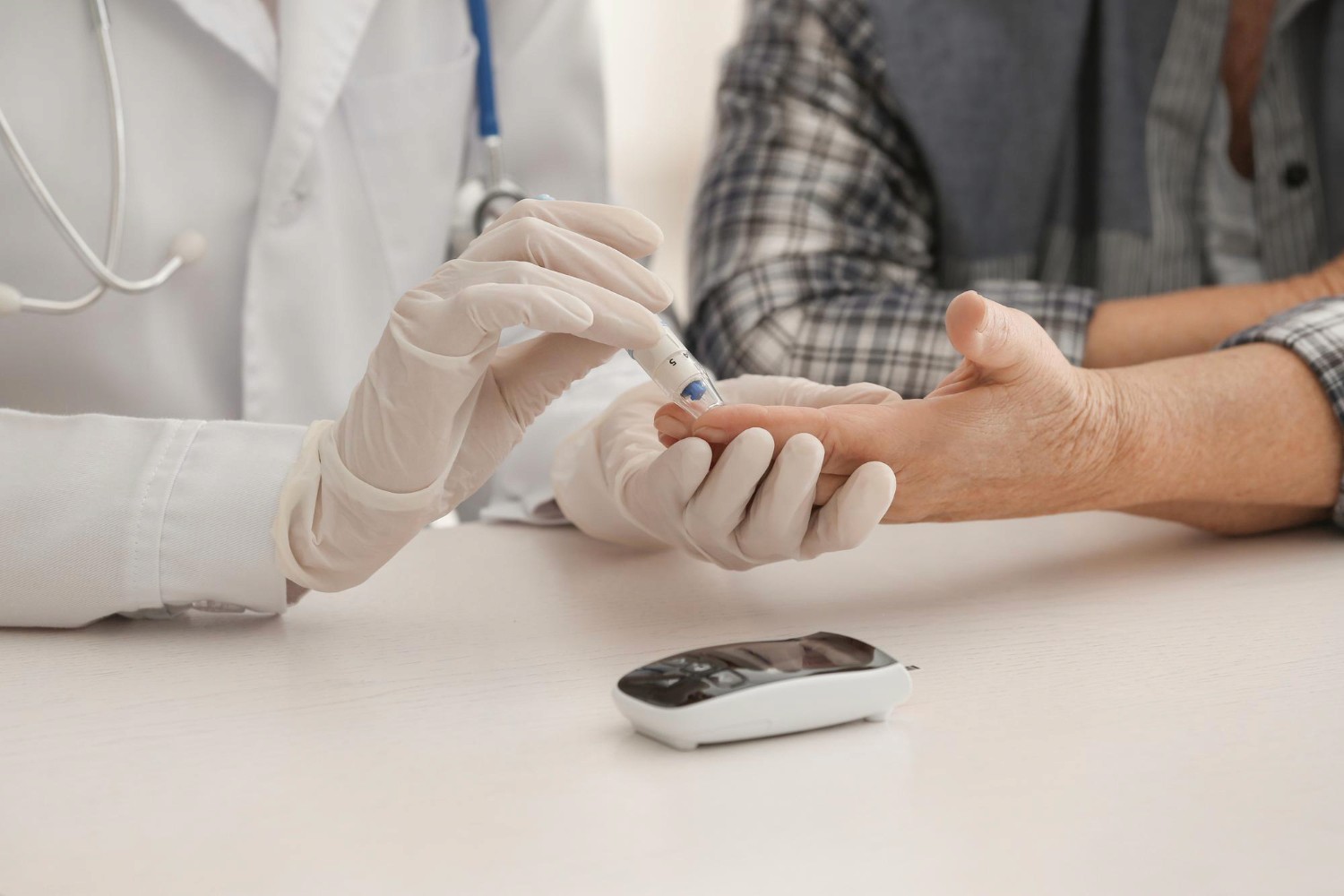
Home routines also matter. Steady meals and stable blood sugar help white blood cells and collagen work correctly.
A simple daily pattern might include regular meals, glucose checks, short safe movement, and planned mobile wound care visit days. For some patients, advanced options like hyperbaric oxygen therapy may also be discussed as part of a broader plan.
What mobile wound care looks like at your bedside
With mobile wound care, the waiting room comes to you. A typical same-week visit starts with an intake by phone or online, then a bedside exam where the clinician checks blood flow, wound depth, drainage, and infection signs.
Measurements and photos help track healing over time and guide changes in your care plan. That military-precise tracking helps keep the focus on outcomes, not just visits.
Typical bedside treatments for diabetic wounds can include:
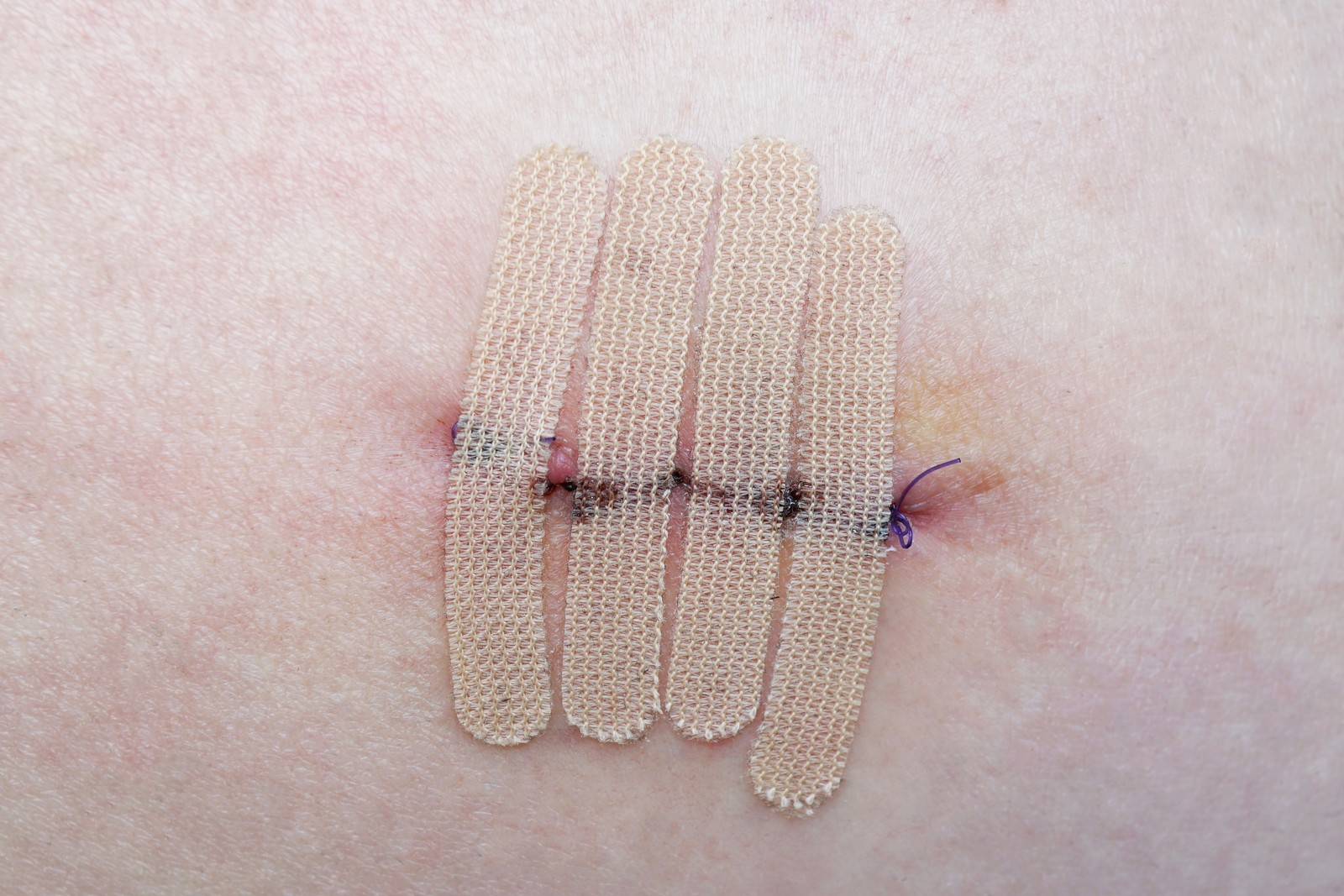
Debridement, which means carefully removing dead tissue so healthy tissue can grow
Advanced dressings that balance moisture so the wound is not too wet or too dry
Off-loading methods to take pressure off the sore area
Infection management with close monitoring and coordination with your doctors
Many of these procedures can be done safely at your bedside. When a wound is too deep, has spreading redness, or shows signs that bone may be involved, a higher level of care is needed, and a hospital or surgeon is brought into the plan. Honest limits help keep you safe.
Here is a simple comparison of clinic-only care versus mobile wound care at home:
Aspect | Clinic-only wound care | Mobile wound care at your bedside |
|---|---|---|
Setting | Clinic exam room | At your bedside where you live |
Transportation burden | Patient or caregiver drives to visits | Clinician comes to you, helping you Heal at Home |
Visit timing | Fixed time slots that may be hard to reach | Same-week options tailored to your needs |
Infection exposure | Shared waiting room and common areas | Your own home environment |
Care coordination | Multiple offices and records to connect | One mobile wound care team coordinating with your doctors |
Coverage | Standard office billing | Many services may be Medicare Part B covered, similar to a clinic visit |
For many stable but non-healing diabetic wounds, at-home care can reduce missed visits and support your goal to Heal at Home. If you are searching for diabetic wound care in Dallas and Fort Worth, mobile wound care at your bedside can often be a safe, outcome-focused option.
Insurance, scheduling, and honest safety limits
Clinically, Medicare Part B may cover many medically necessary wound care services provided in the home when eligibility and documentation requirements are met, as described on Medicare.gov (medicare.gov). In everyday terms, for many people in Dallas and Fort Worth, mobile wound care at your bedside is billed much like a clinic visit, with Part B paying its share and you handling any copay or deductible.
Some advanced therapies, such as certain dressings, devices, or grafts, can require prior authorization. That means the insurance company wants to review records before agreeing to pay.
A focused mobile wound care team can handle pre-auth requests, documentation, and coordination with equipment suppliers so you can put your energy into daily care and healing. Details on the types of wounds we address are available on our conditions page.
Still, home-based care has limits. Red flags that may require ER care or urgent surgery include:
Spreading redness, warmth, or streaks up the leg
Fever, chills, confusion, or feeling suddenly very sick
Drainage that turns foul-smelling or dramatically worse
Visible bone or a deep pocket that keeps filling with pus
In plain language, some wounds are simply too serious to manage at home. A Board-certified wound specialist with disciplined, bedside experience will tell you directly when home care is not enough and will help guide you to the safest next step.
If you are in the Dallas and Fort Worth area and wondering about diabetic wound care, mobile wound care can often provide a same-week bedside evaluation so you can Heal at Home as safely as possible.
Frequently asked questions about home diabetic wound care
How Do I Know If My Diabetic Foot Wound Can Be Treated at Home?
Clinically, small to moderate wounds without spreading infection or bone exposure are often managed at home with regular visits and strong medical support. In plain English, if the sore is shallow, not rapidly getting worse, and you feel well otherwise, home care may be an option. What to do: ask a Board-certified wound specialist to assess the wound, either at your bedside or by referral from your primary care team.
What Happens During a First Mobile Wound Care Visit at My Bedside?
Clinicians check your medical history, blood flow, wound depth, drainage, and signs of infection, then measure and photograph the wound for the record. In simple terms, they look closely, clean carefully, and build a plan with you. What to do: have your medication list, glucose readings, and any recent medical records ready so your plan can start on solid ground.
Are Home Wound Care Visits Covered by Medicare Part B in Dallas?
Medicare.gov notes that Part B can cover medically necessary outpatient services, which can include certain home-based wound care, when rules are met (medicare.gov). In plain English, many people in Dallas and Fort Worth can receive mobile wound care with Part B helping pay, similar to a clinic visit. What to do: have your Medicare card or insurance information handy so the team can check your coverage before your first same-week visit.
How Often Will I Need Visits for My Diabetic Wound?
Clinically, visit frequency depends on wound size, depth, infection risk, and how well you heal. That means some people need visits several times a week at first, then less often as the wound improves. What to do: follow the schedule your wound specialist sets, since missed visits can slow healing or allow infection to gain ground.
What Can I Do Between Visits to Help My Wound Heal at Home?
From a medical view, keeping dressings clean and dry, protecting the area from pressure, eating enough protein, and controlling blood sugar all support healing. In plain words, follow your dressing instructions, stay off the sore spot as directed, and stick with your meal and medication plan. What to do: write down your daily routine, including wound checks and glucose checks, and review it with your mobile wound care team so it fits your life.
When Should I Skip a Home Visit and Go Straight to the Emergency Room?
Clinically, signs of spreading infection or sepsis, such as high fever, chills, confusion, rapid heart rate, or fast-worsening redness, require emergency care. Put simply, if you feel suddenly very sick, the redness is racing up your leg, or you see a large new area of black or gray tissue, waiting at home is not safe. What to do: go to the ER right away and let them know you have diabetes and a foot or leg wound, then update your wound care team when it is safe to do so.
If you are living with a stubborn diabetic foot or leg wound and want to Heal at Home with mobile wound care in Dallas and Fort Worth, call (940) 843-1455 or book online today. We work with Medicare and most major insurance plans, and our team handles pre-auth paperwork for advanced, medically necessary treatments so you can focus on healing at your bedside.
Take Control Of Diabetic Wound Healing Today
If you or a loved one is struggling with slow-healing foot or leg ulcers, our team at Anchor Wound Management is ready to help you recover safely at home. We provide specialized diabetic wound care in Dallas focused on preventing complications and supporting long-term health. Our clinicians come directly to your bedside, creating a personalized care plan that fits your medical needs and daily routine. To schedule a visit or ask questions about your options, please contact us today.