Care Tips
Managing Non-Healing Surgical Wounds at Home in Dallas–Fort Worth
Learn how to manage non-healing surgical wounds at home in Dallas Fort Worth with mobile bedside care, HBOT, and lymphedema support to heal faster.
When a Surgical Wound Just Will Not Heal in DFW
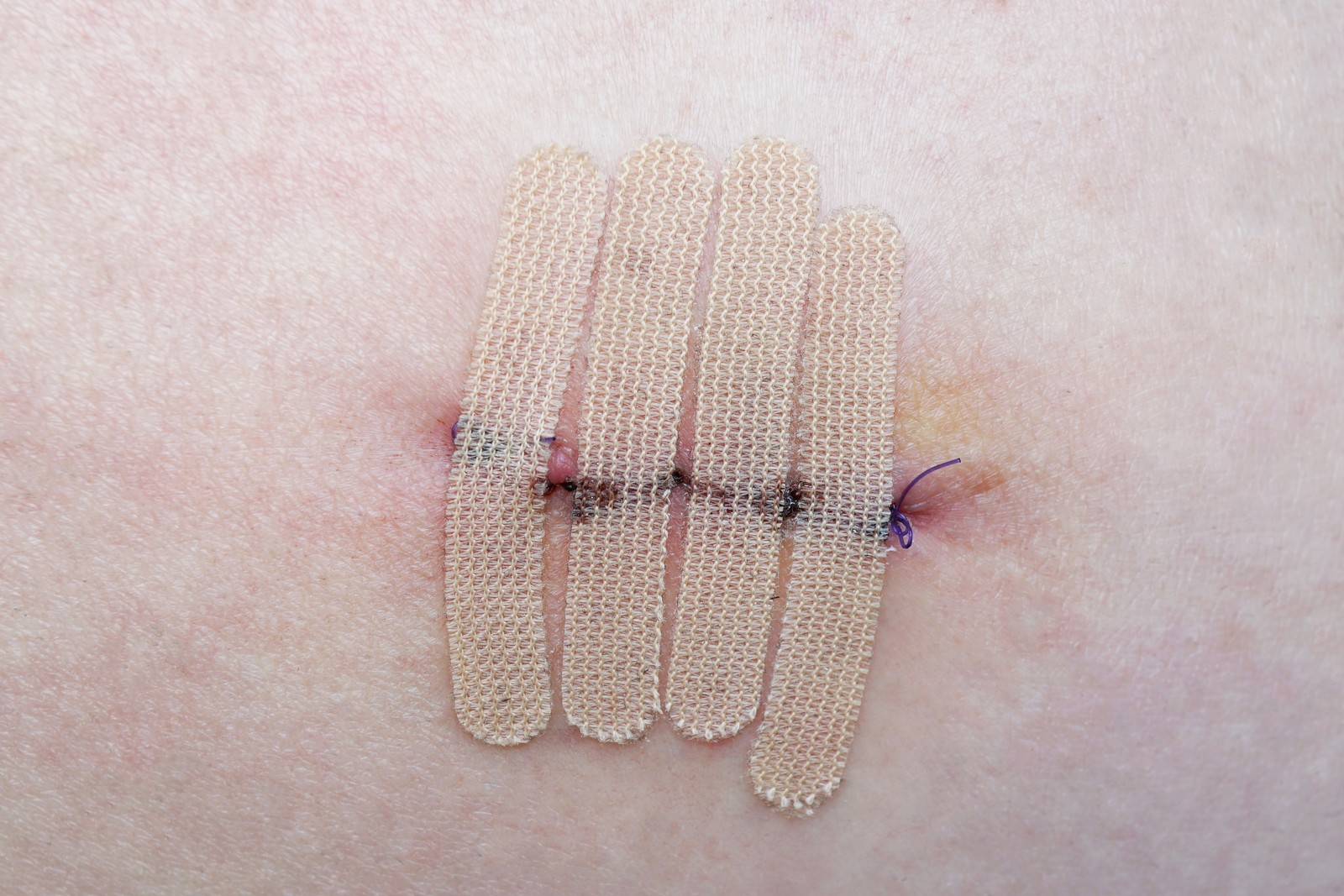
A surgical incision that stays open, wet, or painful for weeks can feel worrying, especially when you are trying to care for it at home. You may be changing dressings in your bedroom, in the bathroom, or on the couch and thinking, “This cannot be right.” Non-healing surgical wounds are common, but they always deserve prompt, focused attention so you can heal faster and avoid complications.
Normal healing usually means the incision edges get closer, drainage slowly decreases, pain eases after the first few days, and the skin starts to look calmer, not angrier. When that is not happening, a focused plan with Mobile wound care can often help you heal at home, lower infection and amputation risk, and avoid last-minute ER visits across Dallas and Fort Worth.
Key Takeaways
How to spot signs that a surgical wound is not healing
Why infections, poor blood flow, and diabetes slow wounds down
What same-week Mobile wound care at your bedside can add beyond clinic visits
How Medicare Part B-covered home care usually works
When to call 911 instead of waiting for a home visit
Anchor Wound Management brings a Board-certified wound specialist to your bedside across the DFW area, with Mobile wound care, hyperbaric oxygen therapy, and lymphedema care so you can heal at home when it is safe to do so. Our style is simple: clear information, military-level organization, and patient-first care focused on helping you stay home when possible and get to the hospital quickly when needed.
How to Tell If Your Surgical Wound Is Not Healing
Clinical warning signs, based on CDC and NIH guidance (CDC, 2024; MedlinePlus/NIH, 2023), include:
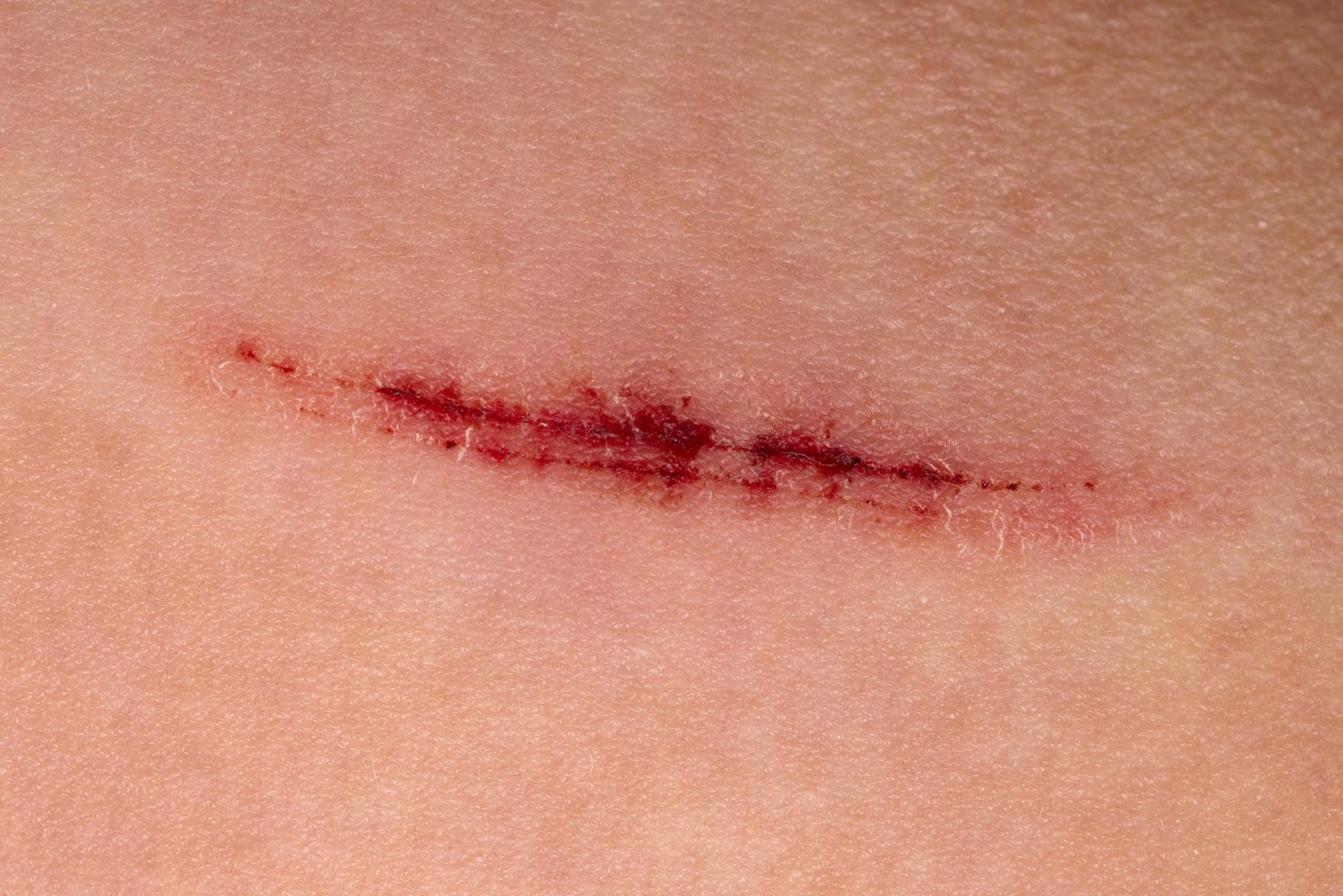
Edges that stay open or pull apart instead of closing
Thick yellow, green, or cloudy drainage that keeps coming
Pain that increases again after the first few days
A foul or sweet odor from the incision
Skin that turns hot, firm, or red in a growing circle
Red flag symptoms that need urgent or emergency care include fever, chills, fast heart rate, fast breathing, sudden severe pain, black or gray tissue, or confusion. The CDC describes these as signs of possible surgical site infection or spreading infection in the body. NIH and MedlinePlus explain that healthy wounds usually look better each week, not worse.
In plain English, a wound can look “ugly but healing” if:
The drainage is light and slowly decreasing
The color is pink to light red without a fast-spreading border
The scab or scar is forming and staying in place
A wound is more likely stalled or getting worse if you notice:
More and more drainage on your gauze pads
New odor when you change dressings
Fresh separation or a “gap” that was not there last week
At home, it is usually safest to:
Keep dressings clean and dry as instructed by your surgical team
Avoid putting creams or sprays on the incision unless a clinician told you to
Take clear photos of the wound once a day to track changes
If you see warning signs but do not feel sick, this is often the time to look for Mobile wound care for a same-week exam at your bedside in DFW so you can stay home and still get expert help. But skip home care and go directly to the ER or call 911 if there is heavy bleeding that will not stop, exposed hardware or organs, signs of sepsis like fever with confusion, or rapid-spreading redness. No home service replaces emergency care.
Why Surgical Wounds Stall and How Mobile Care Helps
Common medical reasons for non-healing surgical wounds include:
Infection, when bacteria outnumber the body’s defenses
Poor circulation, such as peripheral arterial disease in the legs
Uncontrolled diabetes, which slows every repair step
Too much pressure or friction on the incision
Lymphedema and other swelling problems
Smoking and some medications
Research in journals such as the Journal of Wound Care and Diabetes Care links these issues to delayed healing and higher amputation risk, especially in foot, ankle, and vascular surgeries (e.g., J Wound Care 2022; Diabetes Care 2021). In simple terms, infection means the bacteria are winning, poor blood flow means oxygen and nutrients cannot reach the wound, swelling “strangles” the tissue, and high blood sugar makes the repair crews move slowly. This is not usually bad luck. It is usually a set of fixable barriers.
In DFW, it is smart to ask your care team:
What is the main thing stopping this wound from healing?
Has my blood flow been checked?
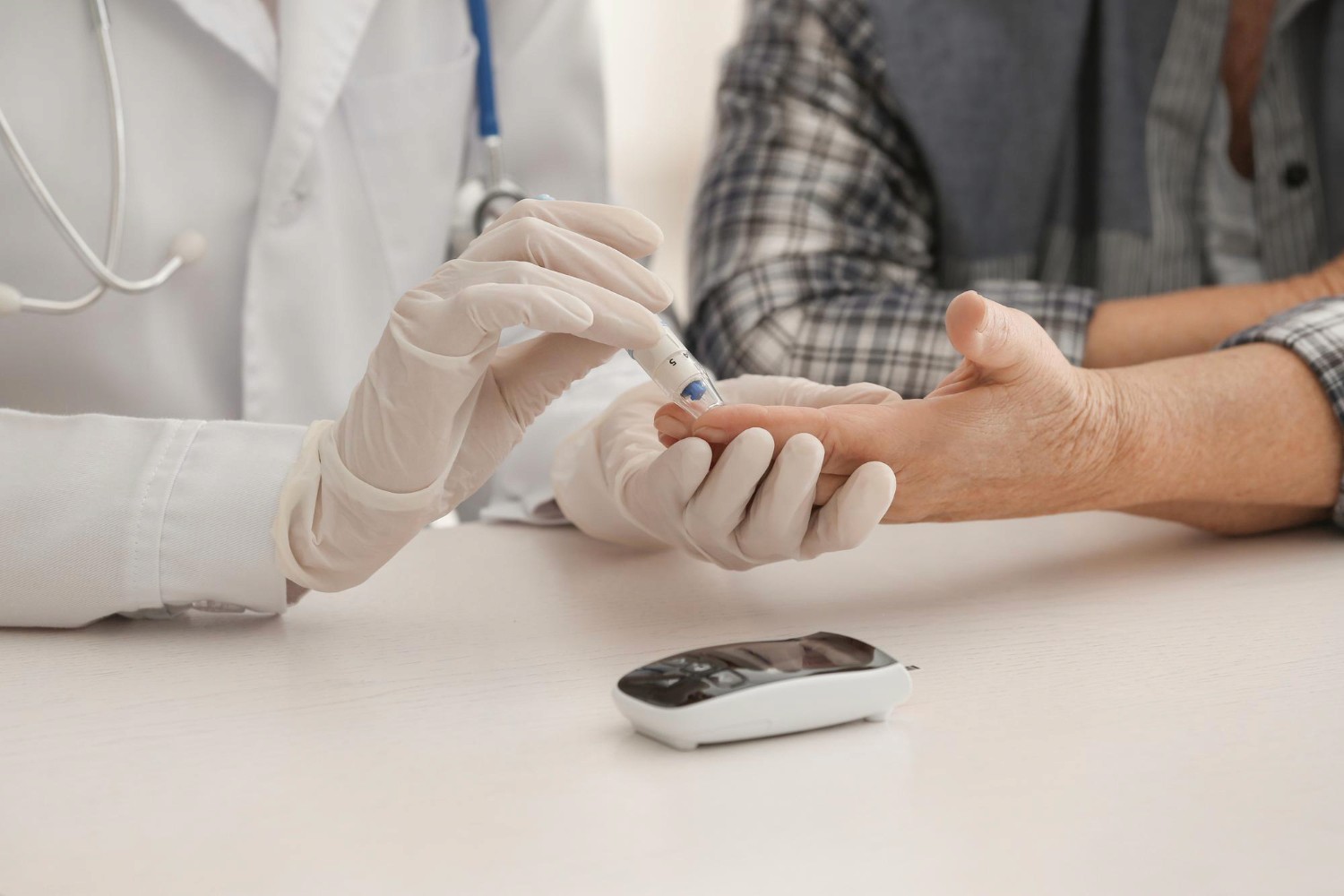
Is my blood sugar in a safe range for healing?
A Board-certified wound specialist at your bedside can review circulation, infection risk, swelling, and pressure points right where you live. Mobile wound care can then coordinate with your surgeons, primary care, cardiology, endocrinology, and vascular teams to reduce the chance that a stubborn incision turns into a limb threat and to help you heal at home when it is safe. You can read more about common wound problems on our conditions page and see related options on our treatments page.
Home Vs Clinic Vs Hospital for Non-Healing Surgical Wounds
Many people in DFW feel bounced between surgical offices, urgent care, and home health, unsure who is in charge of their wound. The right level of care depends on how severe the wound is, your symptoms, and your health history. There is no single answer that fits everyone, but a side-by-side comparison can help.
Setting | What it involves | Pros | Limitations | Typical billing |
|---|---|---|---|---|
Clinic visits | You travel to an office for brief wound checks and dressing changes. | Access to your surgeon or clinic staff; familiar setting for follow-up. | Travel, waiting, and often short visits; harder if you cannot walk or sit for long. | Office visits, usually billed as outpatient professional services. |
Mobile wound care at your bedside | Same-week visits in many areas with care in your home. | Care happens in your home and daily routine; advanced dressings, debridement, and close follow-up to help you heal at home. | Not a replacement for 911 or hospital care when you are acutely ill; service area limits in some regions. | Often Medicare Part B-covered when medically needed, subject to eligibility and plan details (Medicare.gov, 2024). |
Hospital care | Inpatient or hospital outpatient care with continuous monitoring when needed. | Quick access to surgery, IV antibiotics, and advanced imaging. | Higher burden on you and your family; not always necessary for stable wounds. | Inpatient or outpatient hospital services, depending on your stay and procedures. |
Real-life examples: a mildly open incision with slow progress but no fever often fits Mobile wound care at your bedside so you can stay home and still move forward. Worsening redness and drainage around a diabetic foot incision might need same-week review by a Board-certified wound specialist plus frequent checks to prevent amputation. Fever, chills, fast-spreading redness, or confusion means 911 and hospital care first, then home-based care after you are stable.
As Dr. Brandon Elrod, DO, FAPWCA, explains, “Our mission is to keep patients safely at home whenever we can, and get them into the hospital quickly when we cannot. The right setting at the right time is how we save limbs and protect quality of life.”
What Mobile Wound Care at Your Bedside Looks Like
During a typical home visit for a non-healing surgical wound, we:
Review your full medical history and current medicines
Measure and photograph the wound regularly
Check pulses, skin temperature, and other circulation clues
Adjust dressings and perform debridement when needed
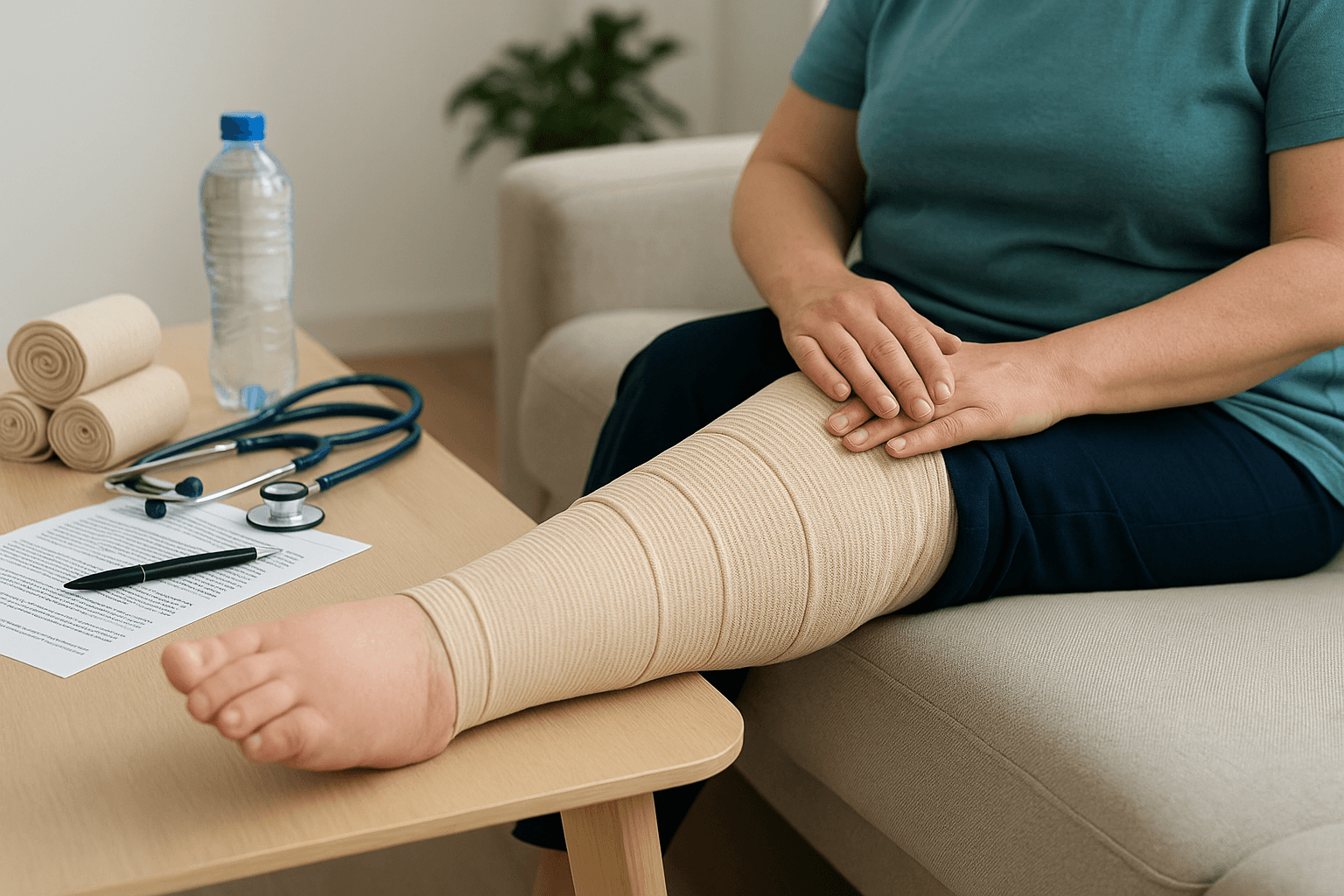
Debridement means gently removing dead or infected tissue so healthy tissue can grow. We use numbing methods and careful technique to manage pain as much as possible. Mobile wound care is not just “changing bandages.” It is medical decision-making, hands-on care, and steady monitoring focused on helping you heal at home and lower your chance of amputation.
At your bedside, we can start treatments such as:
Negative pressure wound therapy, often called wound vacs
Advanced dressings designed to manage drainage or bacteria
Basic vascular checks and coordination for imaging or lab work
Some patients also benefit from hyperbaric oxygen therapy, where pressurized oxygen supports healing in selected wound types (NIH, Undersea and Hyperbaric Medical Society guidance). You can learn more about that option on our hyperbaric oxygen therapy page. Others may need lymphedema management to control swelling. Our team keeps close communication with your other clinicians while you remain in a familiar setting.
If you live in the wider DFW area and want to know if we come to your community, you can see our current map on the locations page. For clinicians interested in bringing this style of care to other cities, our franchise information explains how we extend the same model beyond North Texas. The work is led locally by Dr. Brandon Elrod, DO, FAPWCA, Captain, US Army (Ret.), with a focus on clear protocols and steady, calm bedside communication.
FAQ: Living with a Non-Healing Surgical Wound in DFW
How Long Should a Surgical Incision Take to Heal?
Healing time depends on the type of surgery and your health, but many incisions start to look clearly better within a couple of weeks. If you see no progress, or things look worse after that point, it is reasonable to ask about Mobile wound care and a same-week review at your bedside to help you heal at home when safe.
When Is a Non-Healing Surgical Wound an Emergency?
Seek ER care or call 911 for fever, chills, fast heart rate, fast breathing, sudden severe pain, heavy or uncontrolled bleeding, black or gray tissue, confusion, or redness that spreads quickly. These can be signs of a serious infection that needs hospital-level treatment, as outlined by CDC surgical site infection guidance.
Can I Still Walk or Exercise If My Surgical Wound Is Not Healing?
Sometimes gentle movement helps, sometimes it pulls at the incision and slows healing. The right answer depends on where the wound is, how deep it is, and your circulation. A Board-certified wound specialist can set clear limits so you stay as active as it is safe to be while still protecting the incision.
Does Medicare Part B Cover Mobile Wound Care at Home?
Medicare.gov explains that Part B can cover medically necessary outpatient services, including some types of at-home wound care, when criteria are met. Coverage can include exams, debridement, and certain treatments, but details vary by situation and plan, so it is always smart to confirm your specific benefits.
What If My Surgeon Says the Wound Just Needs More Time?
Many wounds do need time, but time plus focused support can be better than time alone. You can ask for a second opinion or extra help without replacing your surgeon, and Mobile wound care at your bedside can share photos and updates so your surgical team stays fully informed.
Can Mobile Wound Care Really Help Prevent Amputation?
Not every amputation can be avoided, especially with severe blood flow problems. However, early attention to infection signs, circulation, pressure, and blood sugar control can lower risk for many people, as shown in vascular and diabetes studies (e.g., Diabetes Care 2021; J Vasc Surg 2020). Mobile wound care at your bedside makes it easier to spot trouble early and coordinate timely referrals when a limb is at risk.
Talk with a Wound Specialist About Your Surgical Incision
If your surgical wound is not improving, Mobile wound care can often help you heal at home, avoid unnecessary hospital stays, and reduce amputation risk when it is medically safe to do so. To schedule a same-week review with a Board-certified wound specialist at your bedside, call us at (940) 843-1455 or book online. We work with Medicare Part B and most major insurers, and when prior authorization is needed, Dr. Elrod’s team helps handle pre-auth so you can focus on healing.
Take Control Of Stubborn Surgical Wounds Today
If you or a loved one are struggling with non-healing surgical wounds, our team at Anchor Wound Management is ready to help you move toward recovery with a clear, individualized plan. We combine advanced wound care techniques with close monitoring so you are never left guessing about your progress. Reach out to our specialists with your questions or to schedule an appointment through our contact page.