Care Tips
Choosing a Diabetic Foot Specialist in Dallas for At-Home Healing
Learn how to choose a diabetic foot specialist in Dallas for advanced wound care at home, plus key questions to ask for safer healing.
Heal your diabetic foot without leaving home
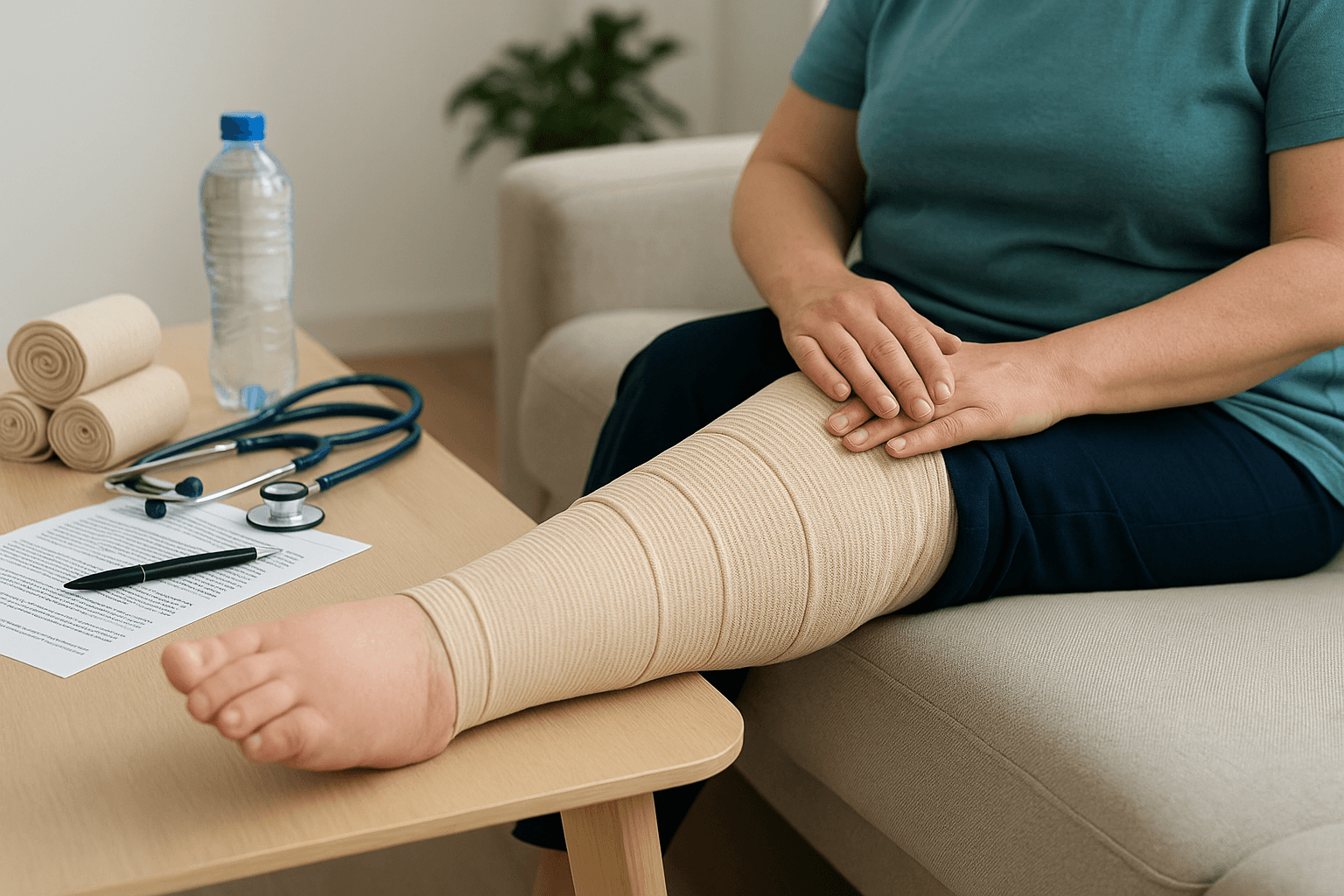
Many people with diabetes ask a simple question: "Can I really get my diabetic foot ulcer treated safely without going back and forth to a clinic or hospital?" For many, the answer is yes, with the right plan and the right diabetic foot specialist in Dallas. Bedside care at home or in a facility can reduce walking on a sore foot, lower exposure to sick contacts, and make it easier to keep dressings and offloading in place.
A mobile wound care team comes to you, which means same-week, at-your-bedside visits are often possible when a new problem starts. Some wounds can safely heal at home, while others still need surgery, the ER, or a hospital stay first. A good provider will help you tell the difference and guide you to the safest option, not just the most convenient one.
Key Takeaways
Many diabetic foot ulcers can safely heal at home or in your facility when managed by a board-certified wound specialist with mobile wound care.
Any honest diabetic foot specialist in Dallas should assess blood flow, infection risk, and pressure on the wound before saying you can heal at home.
Same-week bedside care can limit clinic trips, improve dressing consistency, and help reduce complications and amputation risk.
Medicare Part B covered home or facility-based wound care is often available when medical necessity is documented, according to Medicare.gov.
Knowing what questions to ask helps you choose the right provider for your goals and safety.
When healing at home is safe for diabetic feet
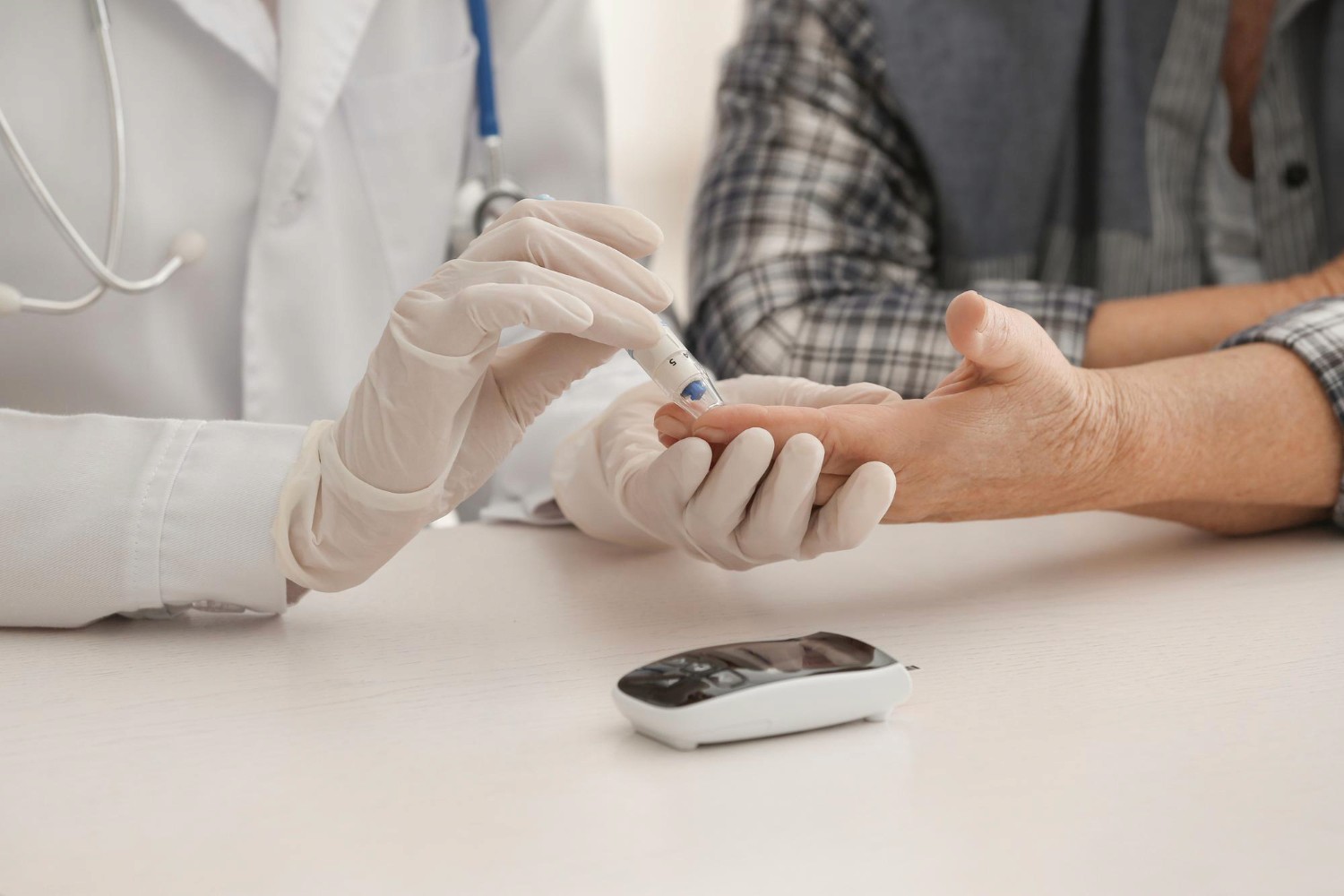
Diabetic foot ulcers usually start because of three things: nerve damage, poor blood flow, and high blood sugar. The CDC and NIH explain that diabetes can weaken feeling in the feet, slow circulation, and make it harder for the body to fight infection.
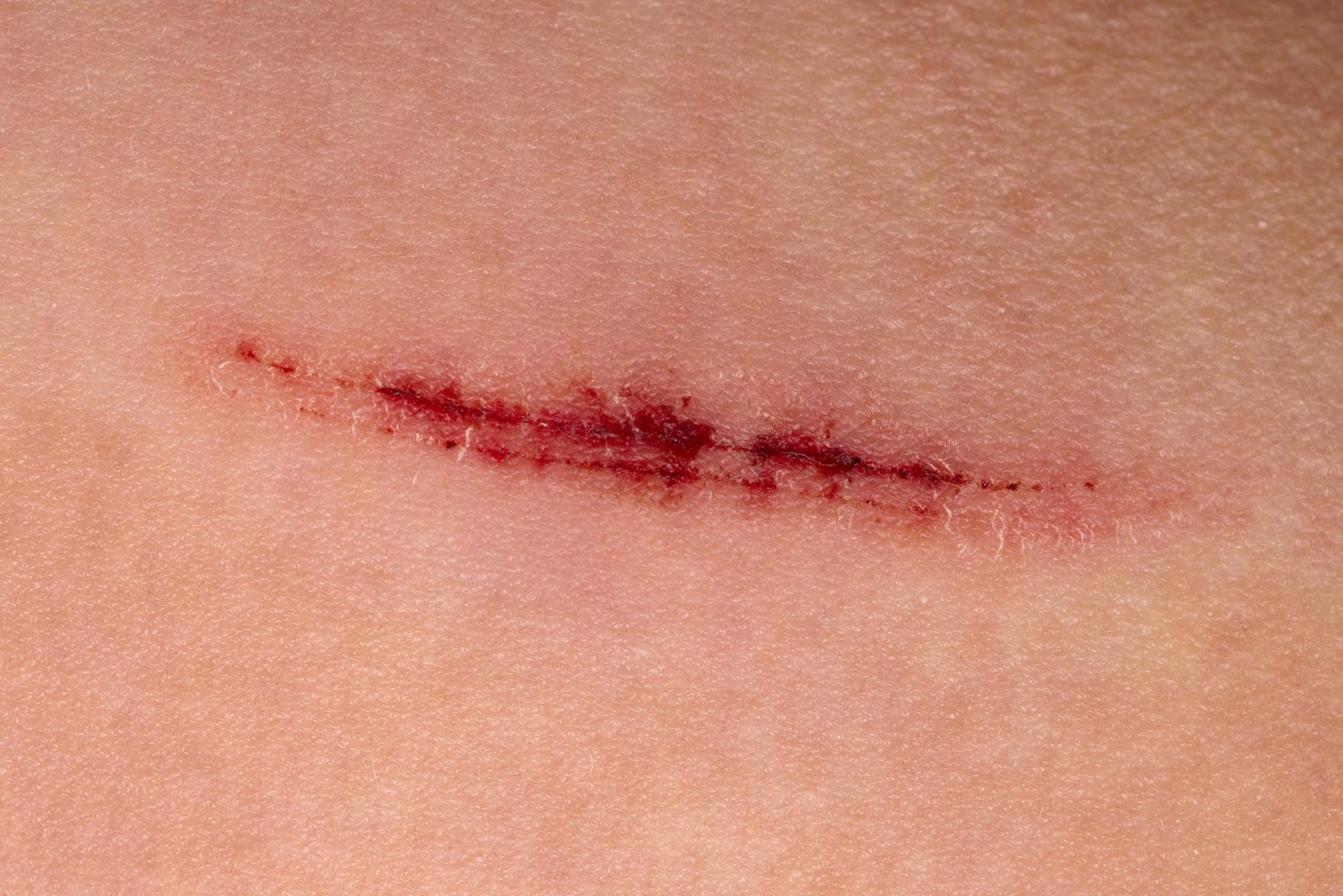
In plain English, a "small" sore on a foot with diabetes is not small at all. You might not feel pain, you might not see the bottom of your foot well, and germs can move in fast.
Healing at home is often reasonable when:
Your blood pressure, heart rate, and temperature are stable.
Blood sugar is under better control.
There is no spreading redness up the foot or leg.
Blood flow to the foot seems adequate on exam.
The wound can be offloaded with boots, crutches, or reduced walking.
Translated, healing at home works best when your body is stable, the wound is not rapidly worsening, and pressure can be taken off the sore area. In that setting, a board-certified wound specialist can help you safely heal at home or in your current facility.
On the other hand, some warning signs should not wait for a home visit. If there is spreading redness, a fever or chills, a strong foul odor, deep tunneling, or exposed bone, it is safer to call 911 or go straight to the ER.
That is because deeper infection or poor blood flow might need urgent surgery, imaging, or IV antibiotics. When in doubt, the safest action is emergency care first, then follow-up mobile wound care once you are stable.
A board-certified wound specialist should always do a complete assessment before saying it is safe to heal at home. Honest providers will sometimes say "home is not enough right now," and that is a sign they are putting your foot and your life first.
You can learn more about common diabetic foot problems on the conditions page.
What to look for in a diabetic foot specialist in Dallas
When you search for a diabetic foot specialist in Dallas, look beyond the name and address. Clinical training and systems matter more than marketing.
Key clinical points include:
Board-certified wound specialist training and ongoing wound care education.
Experience with diabetic limb salvage and working to help prevent amputation.
Regular use of current ADA and IDSA guidelines for infection and offloading.
Strong relationships with vascular surgery and podiatry for timely referrals.
In simple terms, you want someone who knows diabetic feet, follows proven guidelines, and can quickly pull in the right surgeons when needed. That type of team can help you heal faster and lower your risk of ending up in the hospital.
Mobile wound care adds another layer of safety. When a clinician sees you at your bedside at home, assisted living, or a skilled nursing facility, they see the real shoes you wear, your flooring, your bathroom setup, and who helps you day to day.
That helps them spot barriers and tailor plans, including advanced options from the treatments list like certain dressings or devices. For you, that means a plan that fits your real life, not just a clinic checklist.
Be sure to ask operational questions, such as:
Do you offer same-week visits for new wounds?
How are urgent concerns handled after hours?
Do you coordinate with my primary care, endocrinologist, podiatrist, and home health?
Are visits Medicare Part B covered, and which private insurers do you accept?
Who handles pre-authorizations for advanced dressings or therapies?
These questions help you learn whether a provider can help you heal at home safely, keep you out of the hospital when possible, and support you if your situation changes.
"With diabetic feet, speed and consistency matter. The longer a wound stays open, the higher the risk of infection and amputation," says Dr. Brandon Elrod, DO, FAPWCA.
Clinic visits versus mobile wound care at your bedside
Some people do fine with clinic-based wound care, while others are safer and more comfortable with mobile wound care. It often depends on how far you have to travel, who can help you, and how stable your foot is.
Clinic care and mobile wound care each have pros and cons. Understanding the differences can help you and your clinician choose the safest option.
Clinic-Based Wound Care Vs Mobile Wound Care at Your Bedside
Factor | Clinic-based wound care | Mobile wound care at your bedside |
|---|---|---|
Travel/time | Requires travel and waiting in a clinic | Minimal travel, visits where you live |
Walking on wound | Often more walking between car, lobby, and exam rooms | Fewer steps on the affected foot |
Visit consistency | Rides, weather, and schedules can interrupt visits | Visits often easier to keep in the same week |
Infection exposure | Shared waiting rooms and more contacts | Fewer other patients around you |
Environment insight | Clinician sees only the clinic room | Clinician sees your home or facility setup directly |
Insurance/Medicare Part B coverage | Often Medicare Part B covered when medically necessary, per Medicare.gov | Often Medicare Part B covered when medically necessary, per Medicare.gov |
Same-week access | Depends on clinic schedule | Many mobile services offer same-week new wound slots |
Coordination with home health | Requires separate communication with home health | Team often used to working directly with your nurses |
In plain terms, clinic care may work well if you have reliable rides, can safely walk on your foot, and like going out. Mobile wound care is often better when travel is hard, walking is risky, or you need your real-world setup checked.
If you think you might need hospital-based treatments like hyperbaric oxygen therapy, a mobile provider can still help. They can do assessments, wound care, and referrals, then support you between those hospital or clinic visits.
How Anchor Wound Management supports healing at home
For people in Dallas and Fort Worth, searching for diabetic foot care, one option is Anchor Wound Management. This is a mobile wound care practice serving the Dallas, Fort Worth area, led by a board-certified wound specialist, Dr. Brandon Elrod, DO, FAPWCA, Captain, US Army (Ret.).
The focus is bedside care for people who want to heal at home or in their current facility when it is safe to do so. The team comes to homes, assisted living communities, and other care settings listed on the locations page.
Here is what a new patient can usually expect:
Initial referral or self-contact with basic history sharing.
Review of any past records or photos when available.
Same-week visit options for many new diabetic foot wounds.
A full bedside exam of blood flow, infection signs, and pressure on the sore area.
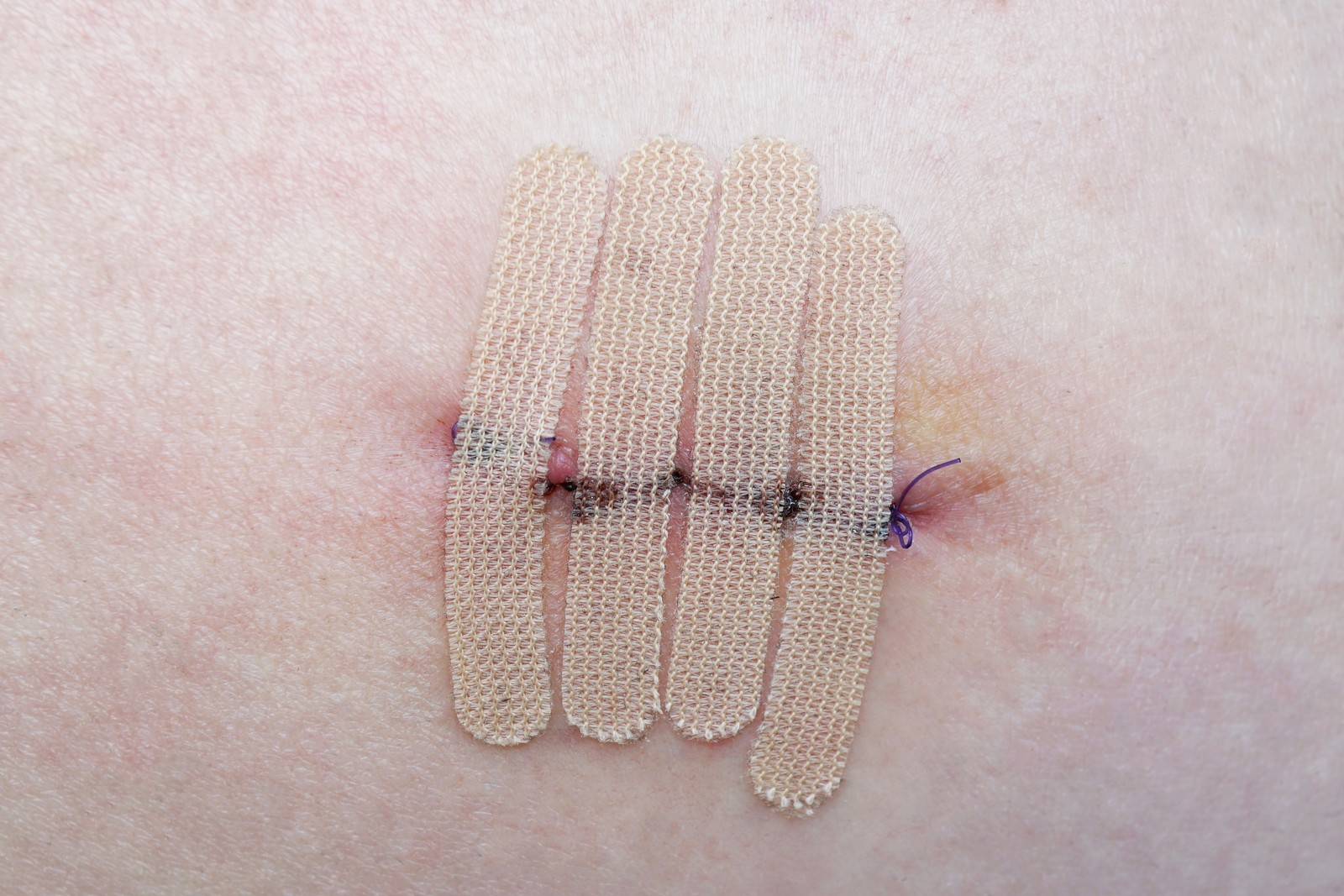
On-site care can include sharp debridement when appropriate, evidence-based dressing plans, infection management in coordination with your prescribers, and offloading strategies. In everyday language, that means cleaning out dead tissue when needed, choosing the right dressings, treating infection, and taking pressure off the wound so it can close.
Education on daily foot checks and warning signs is a core part of each visit. The team draws on tools described under the treatments and conditions resources.
Many services can be Medicare Part B covered when medically necessary, and the office works with patients to understand benefits and required pre-authorizations. That way, you are less likely to be surprised by coverage rules while you heal at home.
There are limits to what can safely happen at your bedside. Some patients will be referred to the ER, a vascular surgeon, or a hospital-based podiatrist when blood flow is too low or infection is too deep.
That type of clear, military-precise decision-making is part of keeping you safe, not a sign that home care has failed. The goal is always to help you heal faster, avoid amputation when possible, and stay home instead of going back and forth to the hospital.
Questions to ask before you book a provider visit
Before you book with any diabetic foot specialist in Dallas, it helps to have a simple checklist. This keeps the focus on your safety and your goals.
Questions might include:
What are your credentials, and are you a board-certified wound specialist?
How much experience do you have with diabetic foot ulcers and limb salvage?
Do you offer mobile wound care at my bedside, and are same-week visits possible?
What is your process if my wound suddenly worsens between visits?
Coverage and logistics matter too. Ask which services may be Medicare Part B covered, which plans they accept, and who handles pre-authorizations for advanced dressings, devices, or therapies.
Clarify how supplies are ordered and shipped to your home or facility so you are not left without what you need. Knowing this up front helps you keep dressings and offloading consistent, which supports faster healing.
It also helps to ask how the team coordinates with your primary care provider, endocrinologist, podiatrist, and any home health nurses. Clear roles and shared care plans can reduce conflicting orders or duplicated visits.
Finally, ask about realistic goals: is the plan to heal at home, prepare you for surgery, or protect your feet after healing so ulcers are less likely to return? A clear, plain-English answer is often a good sign of both clinical skill and true respect for patients.
FAQ
Can I really heal a diabetic foot ulcer at home?
Many diabetic foot ulcers can heal at home with a board-certified wound specialist, good blood flow, infection control, and strict offloading, but some still need hospital or surgical care first.
Is mobile wound care Medicare Part B covered?
Mobile wound care can be Medicare Part B covered when it is medically necessary and all coverage rules are met, as outlined on Medicare.gov.
How fast can I be seen for a new diabetic foot wound?
Same-week visits are often possible for new wounds, especially when there are early signs of skin breakdown or a new sore.
What if my wound is infected or smells bad?
Spreading redness, strong odor, or feeling sick usually means seeking emergency care right away, rather than waiting for a routine home visit.
Do you work with my podiatrist or primary care doctor?
Yes, coordination with your podiatrist, primary care provider, and other specialists is an important part of safe diabetic foot care.
What areas of Dallas, Fort Worth do you visit?
Service areas can vary, so checking the current locations list helps confirm if your home or facility is within the visit range.
Call to schedule mobile wound care near you
If you have a diabetic foot ulcer and want to explore whether you can safely heal at home, you can schedule a mobile wound care visit near you. Call (940) 843-1455 or book online, and the team can review your situation, discuss insurance, and help with any needed pre-authorizations under Medicare Part B or other plans before your first visit.
Protect Your Mobility With Expert Diabetic Foot Care
If you are living with diabetes and noticing changes in your feet, now is the time to act before minor issues become serious complications. At Anchor Wound Management, we provide specialized care tailored to your unique needs so you can stay active and independent. Find a trusted diabetic foot specialist in Dallas and schedule an appointment to address problems early. If you have questions or need help booking a visit, please contact us today.