Care Tips
Home Wound Care Services: Planning Visits Around Holiday Travel
Discover how home wound care services help manage dressings, travel plans, and supplies so you can navigate the busy holiday season safely.
Published · Anchor Wound Management

Overview
- Coordinate professional wound visits at least two to three weeks before Thanksgiving or winter holiday travel to prevent gaps in treatment.
- Pack double the necessary wound supplies, including prescribed dressings, barrier films, and sterile saline, keeping them in your carry-on luggage.
- Protect healing tissue during transit by avoiding prolonged pressure, elevating lower limbs when feasible, and maintaining a clean environment.
- Recognize urgent infection signs like fever, worsening redness, or foul odor promptly, and identify local emergency options before traveling.
The holiday season brings family gatherings, Thanksgiving dinners, and travel arrangements, but medical needs do not pause for festivities. Patients managing chronic or surgical wounds often face difficult choices when deciding whether to visit family or attend seasonal gatherings. Utilizing professional home wound care services allows individuals with mobility limitations or healing injuries to receive advanced wound evaluations while keeping holiday plans intact.
Planning ahead is vital to safeguarding recovery. An interruption in dressing changes, exposure to unfamiliar environments, or long hours spent seated in transit can jeopardize delicate tissue. By coordinating clinical schedules, packing essential materials, and planning ahead, you can celebrate with loved ones without compromising your physical recovery.
Coordinating Home Wound Care Services Ahead of Holiday Rush
The weeks surrounding Thanksgiving, Christmas, and New Year often involve altered clinic hours, transit delays, and full provider schedules. For individuals receiving in-home clinical assessments, proactively planning visits is essential. Clinicians must evaluate how tissue is progressing, ensure there is no accumulating necrotic debris, and adjust treatment protocols before you alter your regular schedule.
When coordinating your upcoming appointments, reach out to your clinical team at least two to three weeks in advance. If your treatment plan includes specialized bedside clinical appointments, notify your team of the exact dates you may be away. This gives clinicians time to perform comprehensive evaluations, assess moisture levels, apply longer-wear dressings if clinically appropriate, and verify that healing remains steady.
Early scheduling also prevents supply delivery lapses. Medical distributors frequently face backlogs in November and December. Review your inventory of gauze, antimicrobial dressings, and tape early so you can request prescription refills well before deadlines arrive.
Preparing Supplies and Packing for Travel
Whether taking a road trip or boarding a flight, traveling with a wound requires thoughtful preparation. Never assume you can easily purchase your specialized wound supplies at a local pharmacy in another city. Many advanced therapies, including specialized foam dressings, calcium alginates, and silver contact layers, are not stocked on retail shelves.
To ensure uninterrupted care, prepare a dedicated travel medical kit:
- Bring surplus inventory: Pack enough dressings, cleansers, and wraps for twice your expected duration away. Travel delays, unexpected drainage, or accidental soilage may necessitate extra dressing changes.
- Keep supplies in personal luggage: If traveling by air, keep all wound products in your carry-on bag. Checked baggage can be delayed, lost, or subjected to extreme cargo temperatures that might compromise hydrogels, ointments, or adhesive borders.
- Carry clinical documentation: Carry a summary of your wound care orders, medication lists, and emergency contacts. Clear documentation simplifies security screenings and helps outside clinicians understand your history.
- Pack hygiene essentials: Pack disposable gloves, hand sanitizer, and clean disposal bags. According to MedlinePlus guidance on open wound care, washing hands thoroughly before touching dressing materials is critical for minimizing infection risks.
Protecting Your Wound During Long Journeys
Extended travel exposes healing tissue to friction, shear, swelling, and prolonged pressure. Long car rides or flights keep lower extremities in a dependent position, which can cause fluid to accumulate and put excess tension on delicate skin edges.
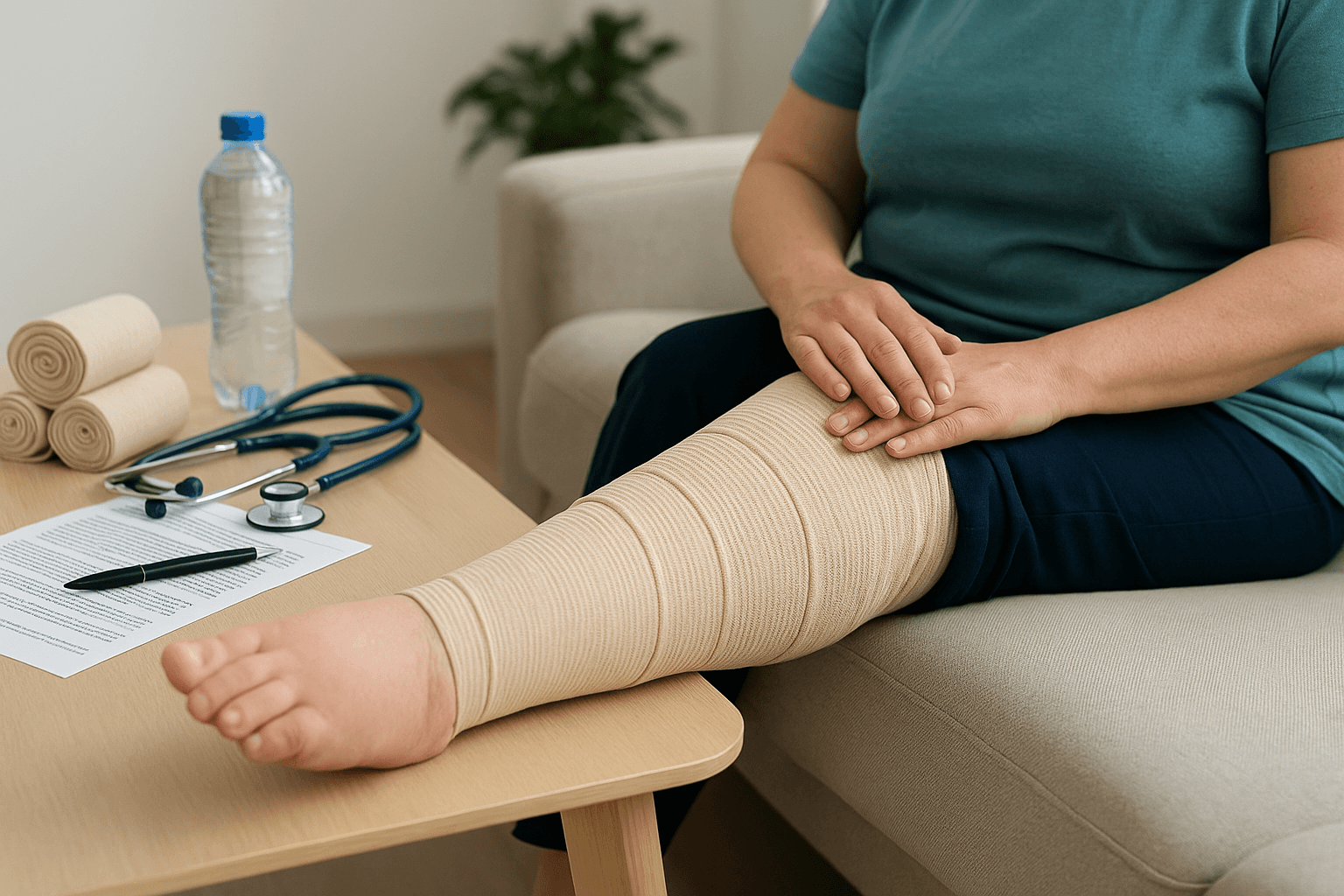
If you are traveling with a lower extremity injury, such as venous stasis ulcers or diabetic foot lesions often grouped under complex chronic wounds linked to systemic conditions, minimize swelling by taking regular breaks. Stop every hour or two during road trips to walk briefly, encouraging healthy venous return. When seated as a passenger in a vehicle or plane, perform gentle ankle pumps and keep your leg elevated whenever space permits.
Pressure redistribution is equally critical for individuals with sacral, ischial, or trochanteric wounds. Sitting stationary in a vehicle seat for hours concentrates pressure over bony prominences, reducing blood flow to vulnerable tissues. Use pressure-relieving cushions recommended by your care team, adjust your seating position every fifteen to thirty minutes, and avoid slumping to minimize shear forces.
Managing Care When Away from Home
If you will be away from your primary service area for an extended period, you will need a reliable backup plan. In-home clinical visits can only be performed within defined geographic coverage zones. For patients whose conditions prevent office travel, practices often address geographic limits by bringing clinical wound evaluation directly to patient residences within their service region, but out-of-town trips require independent preparation.
Before departing, ask your wound specialist to demonstrate proper dressing change technique for your travel partner or family member. While patients should never attempt sharp debridement or alter prescription parameters independently, a designated caregiver can learn how to cleanse the periwound skin gently and apply secondary protective bandages correctly.
Additionally, research urgent care clinics, wound centers, or emergency facilities near your destination ahead of time. Save their addresses and contact numbers in your phone so you do not lose precious time searching for medical assistance in an unfamiliar community should an unexpected issue arise.
Supporting Caregivers During the Busy Holiday Season
Family caregivers carry significant emotional and logistical responsibilities during the holidays, balancing festive cooking, hosting duties, and gift shopping with dressing changes and medication schedules. As highlighted by MedlinePlus resources on caregiver health, caregiving is deeply rewarding but demanding, and caregivers must protect their own well-being and seek assistance to avoid burnout.
Wound care is a collaborative effort. Do not hesitate to delegate holiday tasks like meal preparation or cleaning to visiting relatives so your primary caregiver has adequate time to assist with wound care and rest. Establishing consistent daily routines—such as completing dressing checks at the same quiet hour each morning—removes chaos and maintains clinical consistency amidst festive activities.
Warning Signs and When to Seek Urgent Medical Care
While enjoying holiday gatherings, patients and families must remain vigilant for clinical complications. Wounds can deteriorate rapidly if exposed to bacteria, increased mechanical pressure, or uncontrolled swelling.
Contact a medical provider immediately or seek emergency medical evaluation if you notice any of the following symptoms:
- Spreading redness, warmth, or noticeable hardening of the skin surrounding the wound edges.
- A significant increase in localized pain or throbbing that is not relieved by rest.
- Drainage that changes to thick yellow or green fluid, increases sharply, or emits a foul odor.
- Systemic signs of infection, such as a fever over 100.4°F, chills, nausea, or new confusion.
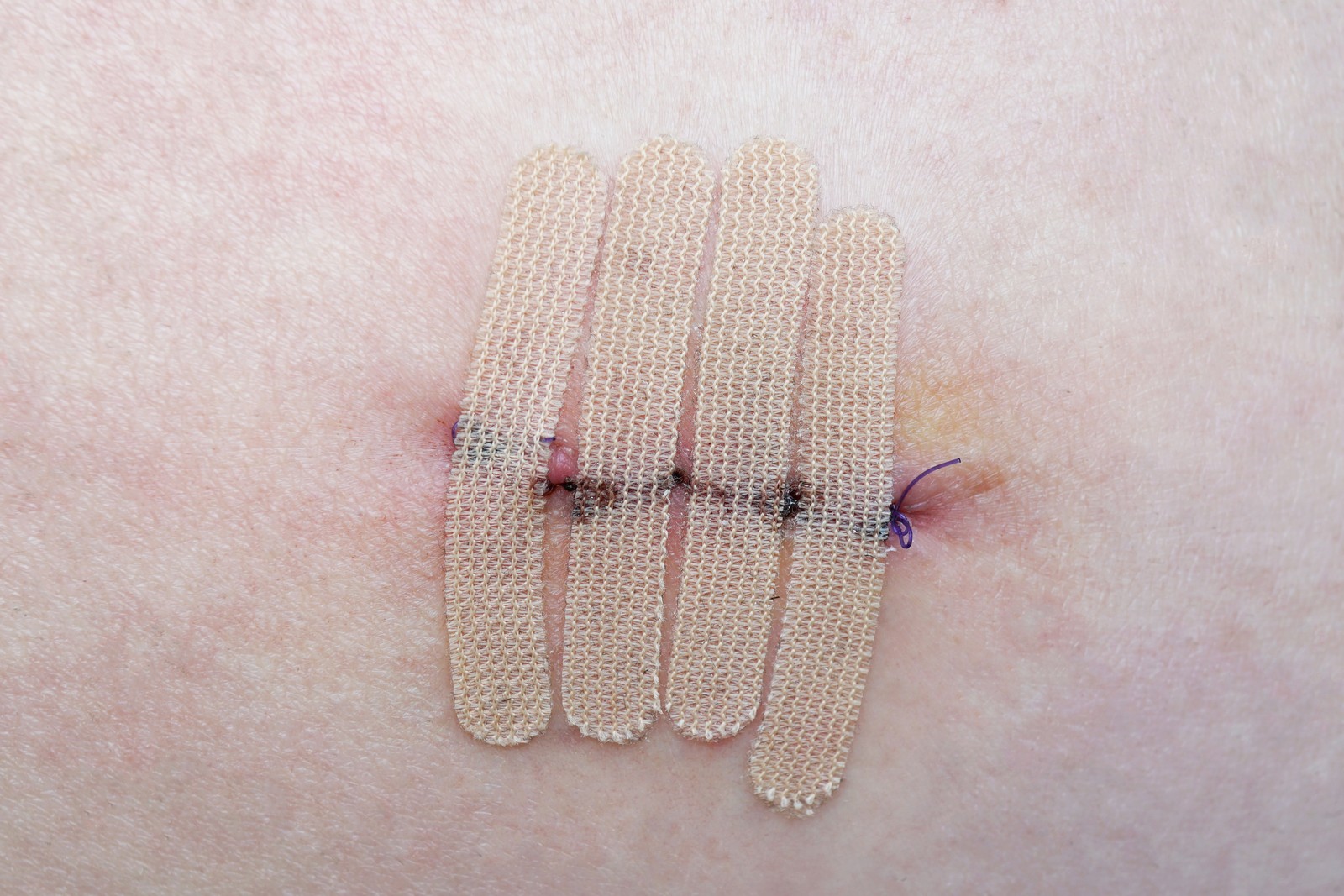
- Wound dehiscence, where closed wound edges pull apart, or active bleeding that does not stop with light pressure.
Do not delay seeking evaluation until after the holidays if these signs appear. Early clinical intervention prevents superficial complications from turning into systemic infections or emergency hospitalizations.
Prioritize Your Healing This Holiday Season
The holidays are a time for joy, connection, and celebration, but your physical health must remain your priority. With organized supply management, careful travel planning, and proactive scheduling, you can enjoy seasonal gatherings while protecting your healing skin.
If you are planning holiday travel or need clinical visits in Dallas–Fort Worth, reach out directly to our clinical scheduling team at Anchor Wound Management to keep your care on track.
Sources
- MedlinePlus Medical Encyclopedia. Surgical wound care - open.
- MedlinePlus, U.S. National Library of Medicine. Caregivers.