Conditions
Non-Healing Surgical Wounds: When to See a Wound Specialist vs. Dermatologist
Recover faster with proven treatments through Anchor Wound Management. We offer advanced wound care in DFW for Medicare patients. Request an appointment.
When a surgical wound stops healing, what now?
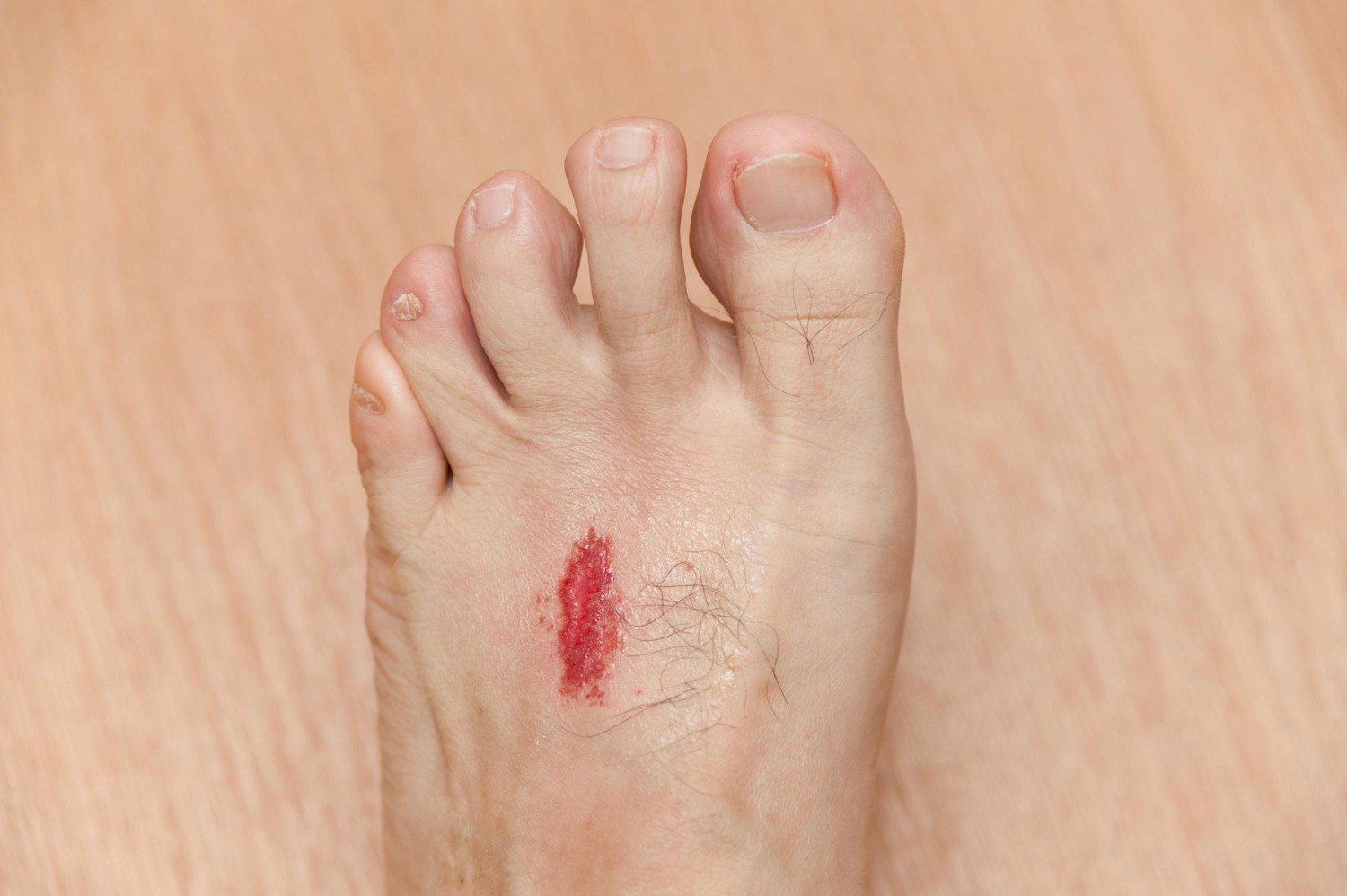
A surgical incision is supposed to slowly close, dry up, and fade into a scar. When it stays open, keeps draining, or hurts more instead of less, it is normal to feel worried and unsure what to do next.
Non-healing surgical wounds are especially common in people with diabetes, circulation problems, or weaker immune systems, and in older adults. The big question then becomes: do you go back to your surgeon, see a dermatologist, or meet with a board-certified wound specialist who treats complex wounds every day?
In this guide, we will walk through how long healing usually takes, warning signs that things are off track, how wound doctors and dermatologists are different, and when early wound care can help you heal at home and lower your risk of hospitalization or even amputation. Mobile or bedside wound care can often bring that help right to your home or facility when it is safe to do so.
Key takeaways
Most surgical wounds should show steady improvement within 2 to 3 weeks. If yours stalls or gets worse, speak up.
Non-healing surgical wounds often need a board-certified wound specialist to look at blood flow, infection, pressure, and nutrition, not just the skin.
Dermatologists are important when there are rashes, allergy issues, or concern for skin cancer around the incision.
Early wound care that helps you heal at home can cut down on hospital stays and some preventable amputations.
Many medically necessary wound treatments may be covered under Medicare Part B, according to Medicare.gov, but coverage should always be confirmed.
How long should a surgical wound take to heal?
For most people, a simple surgical cut starts to close within about 7 to 14 days. Redness and mild swelling are common at first, along with a small amount of clear or slightly pink drainage. The key is that these signs should slowly get better, not worse, over the next few weeks.
“Steady improvement” usually looks like this:
Pain eases each day after the first few days
Redness shrinks instead of spreading
Drainage gets lighter, then stops
The incision edges stay together and start to look more like a line than a gap
A non-healing surgical wound is one that does not shrink or improve over 4 to 6 weeks, or that reopens after it first healed. Wound care groups and peer-reviewed studies use this kind of time frame to flag delayed healing. Common medical reasons include poor blood flow, high blood sugar, infection, too much pressure or friction, smoking, and certain medications like long-term steroids or chemotherapy.
The longer a wound stays open, the higher the risk for deep infection, bone infection (osteomyelitis), and in high-risk legs or feet, even amputation. Sources like the CDC and the National Institutes of Health explain that early treatment of infection and good wound care can lower these risks.[CDC][NIH]
Warning signs your wound is off track:
Pain that increases again after the first few days
Thick yellow or green drainage, bad odor, or spreading redness
Fever or chills
Edges pulling apart, black or gray tissue, or seeing deeper layers like fat or tendon
If you notice any of these, call your surgeon or primary care provider and ask if it is time for a referral to a wound specialist. You can also review common wound conditions on our conditions page to better understand what you are seeing.
When should you see a wound specialist or dermatologist?
A board-certified wound specialist looks beyond the surface of the skin. At a wound visit, we may:
Check circulation with pulses, Doppler, or other tests
Look for infection and order labs or imaging when needed
Adjust pressure on the area with offloading devices
Review blood sugar and nutrition
Choose advanced dressings or therapies
Treatment options can include careful debridement, negative pressure wound therapy, and in selected cases, hyperbaric oxygen therapy, also known as HBOT. You can read more about HBOT on our hyperbaric oxygen therapy page.
Dr. Brandon Elrod, DO, FAPWCA, Captain, US Army (Ret.), often notes that our goal is to apply military-level attention to detail with calm bedside care, all aimed at helping patients heal faster and stay at home when it is safe.
You will want a wound specialist as a first call when:
The wound is on the foot, ankle, or lower leg and you have diabetes or artery disease
The incision has been stuck for more than 4 weeks despite basic care
There is tunneling, exposed bone or hardware, or repeat breakdown in the same spot
You are home-limited and need mobile or bedside wound care at your bedside to keep care consistent
A dermatologist focuses on skin-level problems. They are the right choice when the concern is:
A rash or allergic reaction to sutures, glue, or dressings
New bumps, nodules, or odd color changes around a surgical site
A wound after skin cancer removal that does not behave like a usual incision
Recurrent sores in the same spot that raise concern for skin cancer
Dermatologists can perform biopsies and imaging to look for cancer or inflammatory skin diseases. If they leave an open area after a biopsy, a wound specialist can then manage dressings, offloading, and advanced therapies. Many patients do best with both types of doctors working together, so you never have to feel like you must pick one “side.”
How can you decide between a wound specialist and a dermatologist?
Here is a simple comparison to help you sort things out:
Question | Wound specialist | Dermatologist |
|---|---|---|
Main focus | Open, non-healing, or high-risk wounds | Rashes, growths, moles, and skin cancers |
Typical concerns | Draining incisions, ulcers, exposed tissue, wounds over implants | Changing moles, unusual bumps, allergic reactions around the wound |
Key procedures | Debridement, advanced dressings, wound vacs, possible HBOT | Biopsy, excisions, freezing or other skin-directed treatments |
Where care happens | Clinic, hospital, or mobile/bedside visits to help you heal at home | Most care happens in the office |
Your surgeon and primary care provider are often the first step and can help route you to the right person. As a general rule, an incision that looks more like an ulcer or crater, has drainage, or shows deeper tissue is usually best handled first by a wound specialist.
If you search “wound care” and travel is hard, mobile wound care can bring a board-certified wound specialist to your home or facility. You can see where we work across North Texas on our locations page. If the main goal is a one-time diagnosis, such as ruling out skin cancer, a trip to a dermatology office may be enough, with wound follow-up handled closer to home.
According to Medicare.gov, many medically necessary outpatient wound services may be covered under Medicare Part B, including some mobile care and advanced dressings.[Medicare.gov] Our team reviews coverage and pre-authorization, and more details about therapies we offer are listed on our treatments page. Always confirm benefits with your plan.
How are non-healing surgical wounds treated at home?
Treating a non-healing surgical wound usually starts with a few key steps:
Debridement to remove dead tissue and reduce surface bacteria
Dressings that keep the wound moist but not soggy
Offloading and positioning to take pressure off the area
Support for nutrition and blood sugar based on guidance from groups like the NIH and the American Diabetes Association[NIH][ADA]
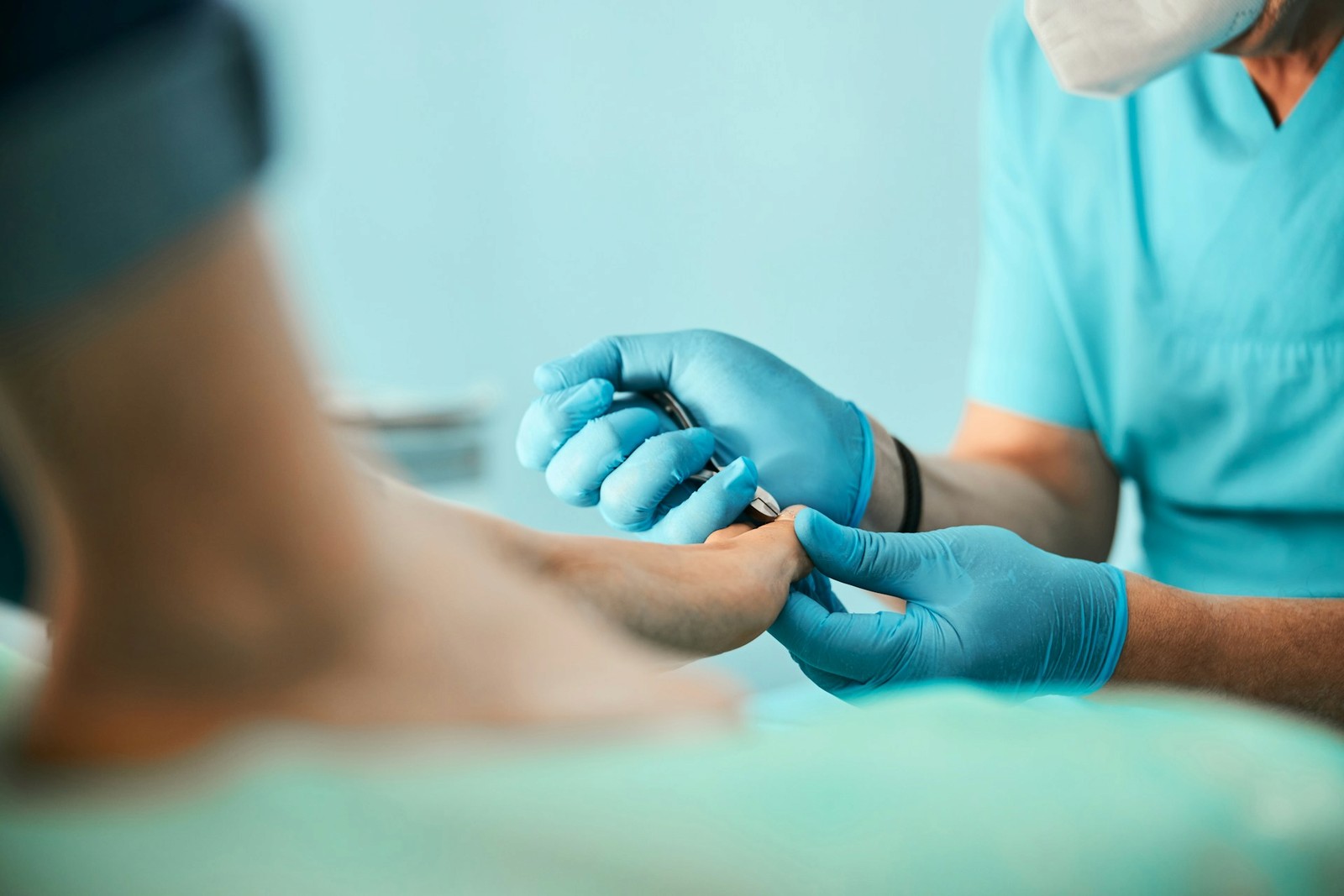
Debridement can sound scary, but many patients feel only pressure or mild discomfort, and numbing options are often used. The goal is to clear out what blocks healing so healthy tissue can grow.
Advanced therapies enter the picture when basic steps are not enough. These may include:
Hyperbaric oxygen therapy to increase oxygen in tissues, especially in some diabetic or radiation-related wounds
Negative pressure wound therapy, also called a wound vac, which gently pulls fluid out and helps draw edges together
Biologic or bioengineered dressings in certain hard-to-heal wounds
These tools help only when blood flow, infection control, and home care are also in good shape. Regular home visits, telehealth check-ins, and same-week in-person assessments help catch problems early so small setbacks do not turn into ER trips. Sometimes, though, a hospital stay or surgery is still the safest choice. Good wound care is about acting early, not delaying higher-level care when it is clearly needed.
What else should you know about mobile wound care near you?
Mobile or bedside wound care can allow you to receive many treatments at your bedside, whether at home or in a facility, when it is safe and medically appropriate. This can help you heal at home, lower your risk of avoidable hospital stays, and keep your routine as normal as possible.
If you are interested in how this type of care is organized in different communities, you can read about the growth of our care model on the franchise page. The focus remains on bringing board-certified wound specialists closer to where patients live.
FAQ: common questions about non-healing surgical wounds
What are the first signs my surgical wound is not healing normally?
Early warning signs include rising pain after the first few days, thicker or colored drainage, spreading redness, bad odor, or edges pulling apart instead of closing. Fever or chills are also red flags for possible infection.
How Long Can I Safely Wait Before Seeing a Wound Specialist?
If you are high-risk, such as having diabetes or poor circulation, you should ask about a wound care referral as soon as healing seems stalled for more than a week or two. For others, any lack of progress over 2 to 3 weeks, or any clear sign of infection, is a reason to get help instead of waiting.
See a Surgeon, Dermatologist, or Wound Doctor First?
Start by calling your surgeon or primary care provider, especially in the first few weeks. If the wound looks like an open sore with drainage or deeper tissue, they often refer to a wound specialist. If the main concern is an odd rash, bumps, or color changes around the area, dermatology may be the first stop.
Can Non-Healing Surgical Wounds Really Lead to Amputation?
In high-risk limbs, especially feet and legs with diabetes or artery disease, a long-lasting open wound can raise the chance of deep infection and, in some cases, amputation. This is why early, focused wound care and good blood flow are so important.
Is Home or Bedside Wound Care Covered by Medicare Part B?
Medicare.gov explains that many medically necessary outpatient wound services can be covered under Medicare Part B, including some care in the home.[Medicare.gov] Exact coverage depends on the service, your medical need, and your specific plan, so benefits should always be checked in advance. Our office can help review coverage, and Dr. Elrod’s team typically handles pre-authorization steps when they are required.
What Should I Bring or Prepare Before My First Wound Care Appointment?
Bring a list of your medications, allergies, medical history, and prior surgeries, plus any wound photos or dressing instructions you have been using. Be ready to share when the wound started, what has changed over time, and any goals you have, such as staying home, avoiding repeat surgery, or getting back on your feet faster.
Take Control Of Your Surgical Wound Recovery Today
If you are struggling with non-healing surgical wounds, we are here to provide focused, evidence-based care that supports real healing. At Anchor Wound Management, our team works closely with you and your surgical providers to create a tailored plan that fits your medical needs and lifestyle. We take the time to explain your options and involve you in every decision about your care. To schedule an appointment or ask questions, please contact us today.