Conditions
Understanding Diabetic Foot Ulcer Stages in Plano at Home
Learn to identify and treat each stage of diabetic foot ulcers in Plano with advanced at-home wound care options to help prevent infection and amputation.
What Plano patients need to know about foot ulcers
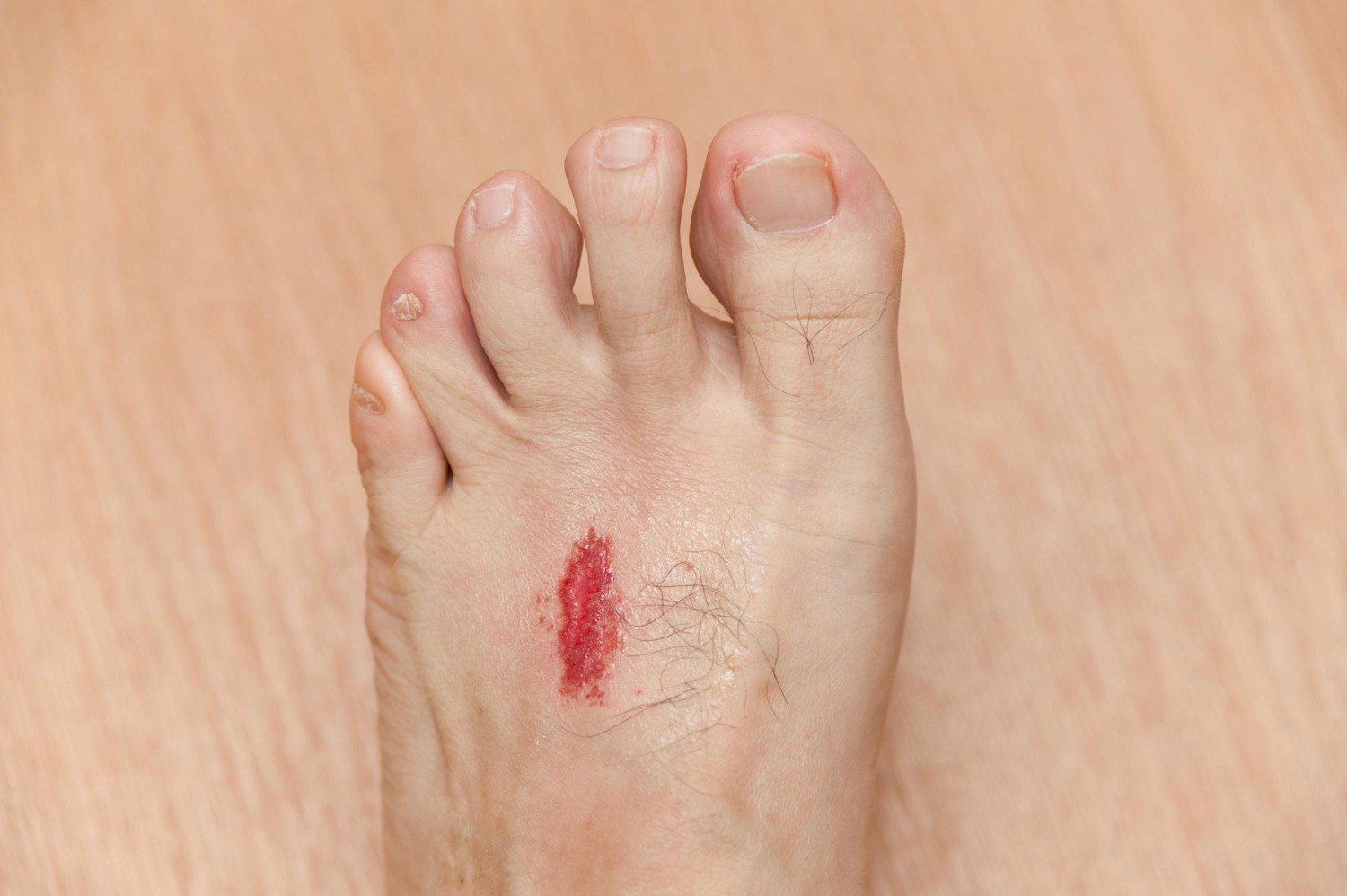
A diabetic foot ulcer in Plano is not “just a sore.” It is an open wound below the ankle that often heals slowly because of nerve damage and poor blood flow from diabetes. In plain language, it is a sore on your foot that will not close, keeps draining, or keeps coming back.
Many people first worry, “Is this going to get infected or lead to amputation?” Those are fair questions. The good news is that when a foot ulcer is staged early and treated quickly at your bedside, the chances of infection and amputation drop.
With mobile wound care, a board-certified wound specialist can come to your home or senior living community, examine the wound at your bedside, and build a plan to help you heal at home instead of bouncing between clinics and the hospital.
Key Takeaways
Diabetic foot ulcers are graded in stages that help predict healing time and amputation risk.
Knowing the stage of a diabetic foot ulcer in Plano helps guide the right bedside treatment, including antibiotics, debridement, grafts, or hyperbaric oxygen therapy.
Mobile wound care can often see you the same week at your bedside, coordinate with your primary care or senior living team, and is often covered under Medicare Part B according to Medicare.gov.
Many ulcers can heal at home and avoid amputation when they are staged early and managed by a board-certified wound specialist.
What is a diabetic foot ulcer and why does it happen?
In clinical terms, a diabetic foot ulcer is an open sore below the ankle that does not heal in about 2 to 4 weeks. In plain language, it is a spot on your foot that stays open, keeps draining, or keeps coming back in the same area.
Common reasons it happens, as described by sources like the CDC and NIH, include:
Neuropathy, or loss of feeling, so you do not feel pain or pressure.
Poor blood flow that slows healing.
Changes in foot shape that add pressure points.
Shoes that rub the same area again and again.
Small cuts or blisters that go unnoticed.
At home, patients or caregivers often notice redness that spreads, a sore under a callus, drainage on socks, odor, swelling, or a wound that “just will not close.” In plain English, if your foot sore looks worse instead of better, it is safer to request mobile wound care at your bedside than to “watch it” for weeks.
What to do: arrange a same-week mobile wound care visit near you so a board-certified wound specialist can stage the ulcer, check blood flow, and start treatment early to protect your limb.
A same-week home visit for a diabetic foot ulcer in Plano often includes:
Full foot and leg exam at your bedside.
Simple blood flow checks.
Careful wound measurements and photos.
Review of blood sugar history and medications.
You can read more about the types of wounds treated on the conditions page and the options available on the treatments page.
How are diabetic foot ulcers staged at home in Plano?
Clinically, doctors often use systems like the Wagner or University of Texas grading scales to stage diabetic foot ulcers. While the details can be complex, they all look at the same basics:
How deep is the wound?
Is there infection?
Is blood flow to the foot reduced?
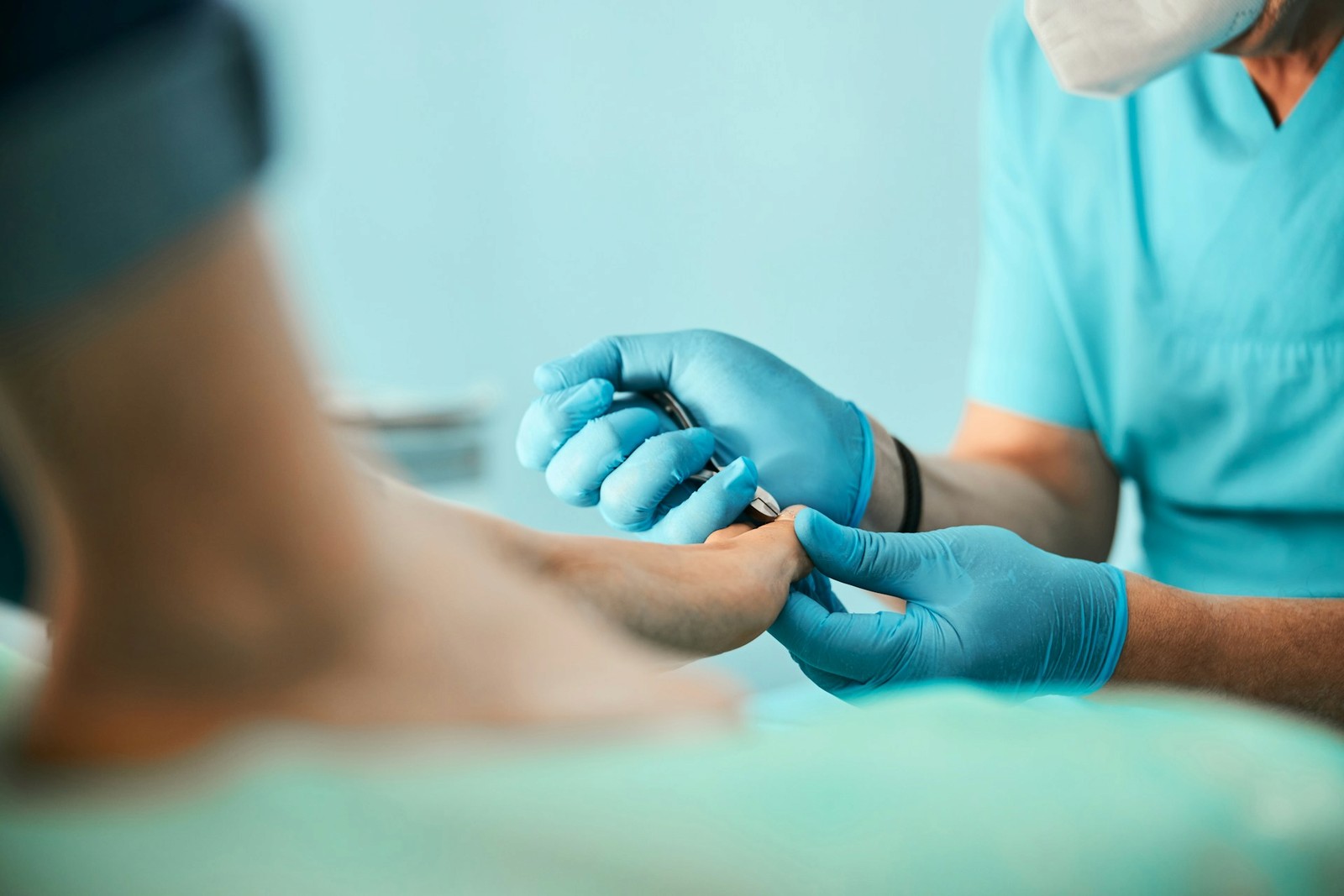
At your bedside, a board-certified wound specialist will usually:
Look closely at the wound surface and edges.
Gently probe the base to see how deep it is.
Check pulses in your feet and ankles.
Evaluate drainage color and odor.
Review blood sugar control and other health issues.
This staging can be done safely at home, in assisted living, or even in hospice settings with portable tools, without automatic hospital admission. Accurate staging then helps decide whether you need imaging, lab work, antibiotics, advanced dressings, or treatments like hyperbaric oxygen therapy.
What to do: if you notice a new or worsening foot sore, ask specifically for bedside staging by a mobile wound care team so treatment intensity matches how serious the ulcer really is.
Dr. Brandon Elrod, DO, FAPWCA, Captain, US Army (Ret.), provides this type of mobile wound care across the Dallas, Fort Worth region.
What do the diabetic foot ulcer stages mean for you?
In everyday terms, stages can be grouped like this:
Early or Superficial:
skin is broken but shallow, with no bone or tendon showing.
Moderate:
deeper tissues are involved, you may see fat or tendon, and infection is more likely.
Severe:
bone is involved or there is gangrene, with a higher chance of needing hospital care.
Here is a simple comparison:
Stage | What it looks like at home | Typical treatment at your bedside | When hospital is needed |
|---|---|---|---|
Early / superficial | Shallow sore, mild redness, clear drainage | Offloading, cleaning, simple debridement, dressings by a mobile wound care team | Usually not needed if seen early and monitored |
Moderate | Deeper hole, yellow tissue, more redness, possible odor | Sharper debridement at your bedside, culture-guided antibiotics, advanced dressings | Needed if fever, spreading redness, or severe pain develop |
Severe | Black tissue, bone showing, heavy drainage, strong odor | Urgent staging and coordination from the home setting to hospital or surgery | Often needs ER or surgery to control infection and protect the limb |
Patients and caregivers should watch for:
Increasing redness or streaks up the foot or leg.
Fever, chills, or feeling weak.
Foul odor or sudden change in drainage.
New or spreading pain, especially if you usually have numbness.
Worsening signs mean you should get same-week mobile wound care near you, and if there are signs of sepsis, like high fever or confusion, emergency care is safer. As Dr. Elrod often explains, “Objective staging of a diabetic foot ulcer lowers amputation risk by matching the intensity of treatment to the true severity of the wound so patients can heal at home whenever it is medically safe.”
What to do: call for a bedside wound evaluation as soon as you notice any of these changes so your team can adjust treatment or arrange hospital care before infection spreads.
How are diabetic foot ulcers treated at your bedside?
Clinical treatment rests on several pillars:
Taking pressure off the wound with boots, shoes, or time off your feet.
Keeping blood sugar as steady as possible.
Cleaning and debriding dead tissue.
Controlling infection with appropriate antibiotics.
Using moisture-balanced dressings that protect but do not over-dry.
In plain terms, your care team works to unload the sore, clean out what is keeping it from healing, control germs, and protect the area so new healthy tissue can grow. Doing this repeatedly at your bedside helps you stay home and avoid frequent trips to the clinic.
Mobile wound care in Plano can provide:
Sharp debridement at your bedside.
Culture-guided antibiotic plans when infection is present.
Advanced dressings and, when needed, negative pressure therapy.
Skin substitutes and graft options when standard care is not enough.
Access to hyperbaric oxygen therapy when it fits the treatment plan.
Some wounds can safely heal at home with regular bedside visits and strong coordination with primary care, podiatry, and home health teams. Others, especially with bone infection or fast-spreading redness, still need hospital or surgical care even with the best home support.
Patients in assisted living, independent senior communities, or hospice can still have their wounds staged and treated in place, with plans shared clearly with staff and family. Mobile wound care teams typically accept Medicare and many commercial insurance plans and can help confirm your benefits.
Anchor Wound Management coordinates closely with senior living communities, hospice, and your primary care doctor so everyone is working from the same plan. When prior authorization is needed, Dr. Elrod and his team handle pre-auth with your insurer to simplify your care.
Frequently asked questions about diabetic foot ulcers in Plano
How do I know if my foot sore is a diabetic ulcer or just a blister?
A blister from new shoes usually improves within days, then dries up and closes. A diabetic foot ulcer often stays open longer than 2 weeks, may be surrounded by callus, and can show drainage or odor. Any sore that is slow to heal in a person with diabetes should be checked by a board-certified wound specialist at your bedside when possible.
Can my diabetic foot ulcer in Plano really be treated at home safely?
Many ulcers can be staged and treated at home, in assisted living, or in hospice, especially when they are caught early and you have stable blood flow and no severe infection. Mobile wound care brings a board-certified wound specialist and bedside procedures to you, and will refer you to the hospital if the ulcer reaches a stage that needs surgical or inpatient care.
How fast should a diabetic foot ulcer start to heal with proper care?
Every patient is different, but with proper staging and treatment, many ulcers begin to show signs of improvement such as less drainage or smaller size within the first few weeks. If a wound does not improve after active care, your team may reassess blood flow, infection, or the need for advanced therapies like skin substitutes or hyperbaric oxygen therapy.
When does a diabetic foot ulcer mean I might need amputation?
Amputation risk usually rises when there is deep infection into bone, dead tissue with gangrene, or very poor blood flow that cannot be improved. Staging helps find these problems early so your team can act quickly with antibiotics, debridement, or referral to surgery if needed. The goal of mobile wound care is to identify high-risk ulcers early and support limb preservation whenever it is medically safe.
Is mobile wound care covered by Medicare Part B in Plano?
According to Medicare.gov, many outpatient wound care services, including evaluations and debridements, can be covered under Medicare Part B when medically necessary. Mobile wound care is typically billed as an outpatient service, and teams like Anchor Wound Management help confirm coverage with your insurance and handle needed authorizations.
What should I do today if I see drainage or odor from my foot wound?
Do not ignore it or try to treat it alone. Keep weight off the area as much as you can, keep any dressings clean and in place if you have them, and arrange a same-week mobile wound care evaluation near you so the wound can be staged, cultured if needed, and treated at your bedside before infection spreads.
Talk with a board-certified wound specialist today
If you or a loved one in Plano has a foot ulcer that is slow to heal, mobile wound care can help you heal at home and lower your risk of amputation. To schedule a same-week bedside evaluation, call (940) 843-1455 or book online through our secure scheduling link. Insurance is accepted, and when prior authorization is needed, Dr. Elrod’s team works directly with your insurer to streamline your care.
Protect Your Mobility With Expert Diabetic Wound Care
If you are dealing with a diabetic foot ulcer in Plano, our team at Anchor Wound Management is ready to provide focused treatment before the problem gets worse. We take time to understand your medical history, daily routine, and healing goals so we can tailor a care plan that fits your life. Schedule an appointment or contact us with questions today so we can help you reduce pain, lower infection risk, and support long-term healing.