Care Tips
Protein for Wound Healing in Dallas: Practical Targets and Food Swaps
Learn practical daily protein targets and easy food swaps for faster recovery in Dallas. Protein for wound healing made simple for patients and caregivers.
How Much Protein Do I Really Need to Heal This Wound?
Many people reach a point where they think, “My wound will not close. What else can I do besides more bandages and more visits?” At some point, changing the dressing again feels pointless if the skin never grows back. Here is the hard truth: wounds are protein-hungry injuries. Inside that sore, your body is trying to rebuild skin, muscle, and tiny blood vessels. Without enough protein, your body simply does not have the building blocks to finish the work, no matter how advanced the dressing or treatment.
In this article, you will get clear protein targets, simple food swaps you can use today, and how a board-certified wound specialist can fit nutrition into your overall plan so you have a better chance to heal at home and lower your risk of infection or amputation. This is especially helpful if you live with diabetes, venous leg ulcers, pressure injuries, or hard-to-heal surgical wounds. Anchor Wound Management provides mobile and clinic-based advanced wound care, along with services like [hyperbaric oxygen therapy]() and lymphedema management. What you read here is for education only and not a substitute for personal medical advice.
Key Takeaways
Most adults with chronic wounds need more protein than they think to support healing.
Simple food swaps, like eggs, Greek yogurt, or beans, can help you reach your daily protein target.
Too little protein can slow healing and raise your risk of infection and hospital stays.
People with kidney disease or heart failure should only change protein intake with medical guidance.
Anchor Wound Management can include nutrition guidance as part of bedside wound care at home or in clinic, often under Medicare Part B when criteria are met (Medicare.gov).
Why Protein for Wound Healing Matters More Than You Think
Inside a healing wound, your body is busy. According to the National Institutes of Health (NIH), collagen formation, immune cell function, and new blood vessel growth all depend on amino acids, the building blocks of protein (NIH). Plain English: protein is both the scaffolding and the repair crew for damaged skin and tissue. What to do: treat protein as part of your wound treatment plan, not an extra, and while your wound is open, aim to include a source of protein at every meal and most snacks.
Low protein slows or stalls healing. Wound care research shows that protein-energy malnutrition is linked to slower wound closure and higher infection risk (NIH; peer-reviewed wound care journals). Plain English: if your body does not get enough protein from food, it will steal it from your muscles and slow down wound repair just to survive. What to do: if your wound has not improved for several weeks despite regular care, ask your wound provider to check your eating pattern, not just your bandages or medications.
This matters even more for older adults and people with diabetes. With age, muscle slowly decreases. Diabetes can affect circulation and nerves, so the body has to work harder to heal. Plain English: if you are over 60, have diabetes, or sit a lot because of pain or weakness, you likely need more protein per pound than a healthy 30-year-old to heal the same size wound. What to do: do not assume the general nutrition label on the back of a box fits you. A board-certified wound specialist, such as Dr. Brandon Elrod, DO, FAPWCA, can help set a personal range, especially for foot ulcers or venous leg ulcers.
“Protein is not a miracle cure, but without enough of it, even the best dressings and antibiotics cannot do their full job,” says Dr. Brandon Elrod, DO, FAPWCA, Captain, US Army (Ret.). “We match your nutrition plan to the exact phase of your wound so you have the best chance to heal at home and stay out of the hospital.”
Setting Your Daily Protein Target Without Guesswork
Many wound care guidelines, including those used for pressure injuries, suggest about 1.2 to 1.5 grams of protein per kilogram of body weight each day for adults with active wounds, unless there is kidney or liver disease (NPUAP/EPUAP; NIH). Plain English: a 180-pound adult is about 82 kilograms. At 1.2 to 1.5 grams per kilogram, that is roughly 100 to 120 grams of protein per day while the wound is healing, which is often more than a basic diet provides.
Simple step-by-step example:
Step 1: Take your weight in pounds.
Step 2: Divide by 2.2 to get kilograms.
Step 3: Multiply that number by 1.2 and 1.5 to get a range.
Always confirm with your own clinician, especially if you have kidney or liver problems or are on dialysis or water pills. Special situations like diabetes, kidney disease, and heart failure need extra care. People with kidney disease or heart failure cannot safely raise protein without close monitoring, as kidney and heart failure guidelines explain (NIH; CDC; National Kidney Foundation). Plain English: more protein is not always better. For some people, “just drink more shakes” can lead to swelling or lab changes. What to do: talk with your nephrologist, cardiologist, or wound doctor before making big changes. At Anchor, our medical director coordinates nutrition changes with each person’s care team during [treatment]() planning.
Supplements can help some people. High-protein shakes or powders can support those who struggle to eat enough, but they cannot replace balanced meals and medical care. Plain English: a protein shake is a helpful tool, not a magic fix. Your body still needs real food, blood flow, and proper wound care. What to do: a small shake between meals can help if your appetite is low, and you can ask your wound team about brands that fit your health needs and insurance coverage.
Practical Protein Food Swaps for Patients at Home
Breakfast is where many people miss out. A bowl of cereal alone is like trying to patch a roof without nails. You get energy, but not much repair material. Easy breakfast upgrades:
Replace plain toast with scrambled eggs and one slice of whole grain toast.
Swap sweetened yogurt for plain Greek yogurt with berries and a few nuts.
Choose egg and bean or egg and chicken breakfast tacos instead of only potatoes.
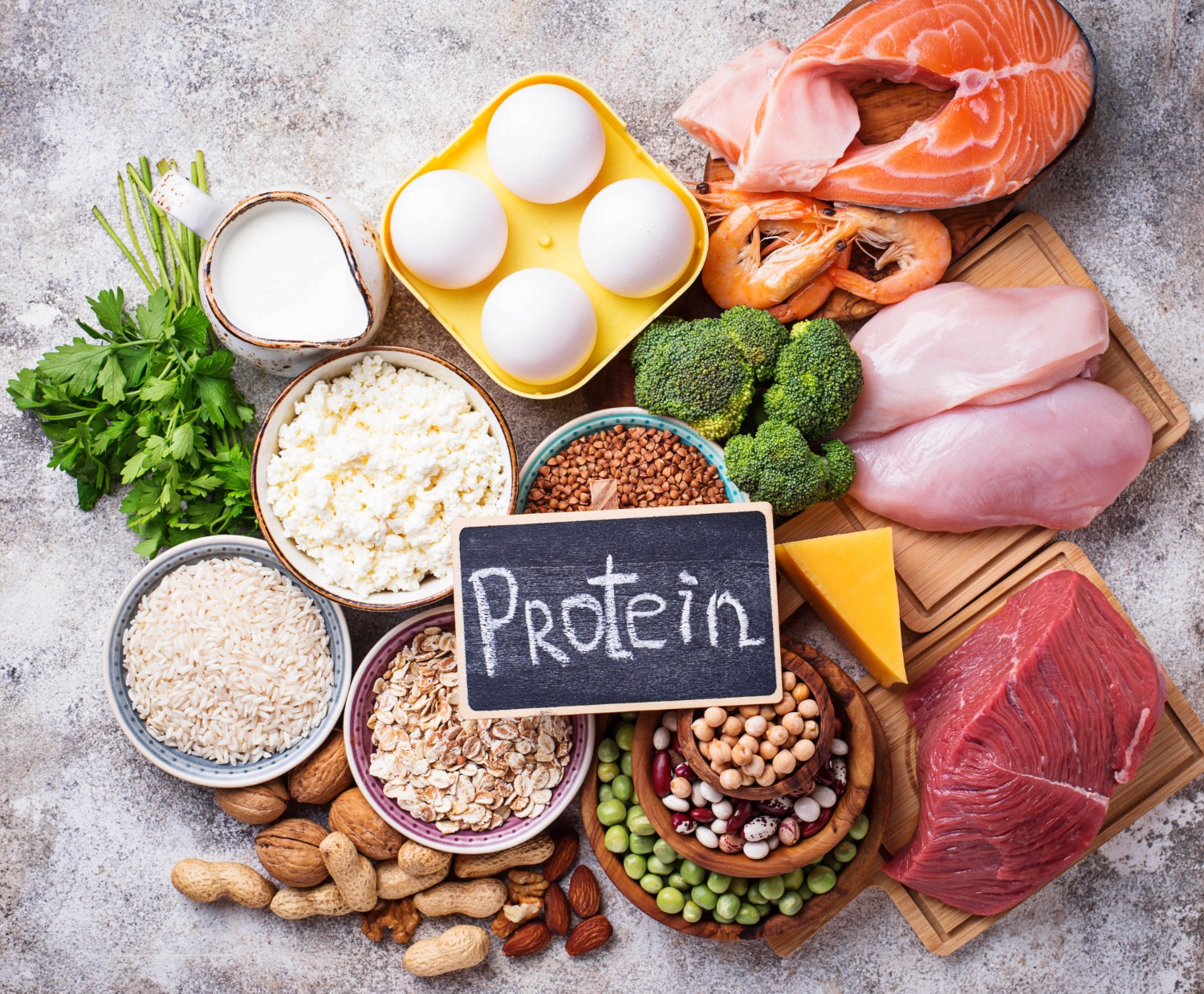
Lunch and dinner can stay familiar and still help healing. Lean meats, beans, lentils, and low-fat dairy give good quality protein without too much sodium or fat when prepared wisely. Practical meal swaps:
Choose grilled chicken fajitas instead of cheese-only enchiladas.
Order a bowl with beans and extra chicken instead of mostly rice.
Trade fried catfish for baked or grilled fish, plus a side of beans.
Add half a cup of pinto beans or black beans to dinner several nights per week.
Many people cannot handle large meals, but small snacks are fine. Spreading protein across the day can be easier on your stomach and help blood sugar control. Snack ideas that add about 10 to 15 grams of protein:
String cheese or cheese sticks
A handful of nuts or trail mix
Turkey or chicken roll-ups
Hummus with sliced vegetables
Cottage cheese with fruit
You can find these in most grocery stores and pharmacies near you. Here is a simple comparison table to see how small swaps can support protein for wound healing:
Food item | Approximate protein (grams) | Better choice for wound healing? |
|---|---|---|
1 flour tortilla | 3 | 2 scrambled eggs are better |
2 scrambled eggs | 12 | |
1 small sweet roll | 3 | Greek yogurt cup is better |
Greek yogurt cup | 12 | |
1 cup white rice | 4 | 1 cup beans is bette |
1 cup beans | 14 | |
Regular soda | 0 | Small protein shake is better |
Small protein shake | 15 |
Making Protein Work with Your Wound Care Plan
Hyperbaric oxygen therapy, debridement, and advanced dressings help create the right conditions for healing. Research and NIH reports show tissue repair still needs enough protein, vitamins, and blood flow (NIH; peer-reviewed wound healing studies). Plain English: oxygen and dressings are like better tools and fresh air. Protein is still the lumber and the workers. You need all of them together.
During mobile or clinic visits, your team can look at your wound, your medications, and your general diet as one picture. This helps your protein plan match your overall wound care, including options like [hyperbaric oxygen therapy]() when appropriate.
It is also important to keep expectations real. Even perfect protein intake cannot fully overcome severe circulation problems, uncontrolled blood sugar, or deep infection. Some wounds still need surgery or hospital care. Plain English: eating better helps, but it is not a miracle cure. You still need medical care, pressure offloading, and good diabetes control if that applies to you.
Warning signs that need quick medical attention:
Spreading redness or streaks up the leg
Sudden strong odor or much heavier drainage
Fever, chills, or feeling suddenly weak
Dark or black tissue in or around the wound
Clinical studies show that home-based wound care, when led by experienced clinicians, can reduce hospital days for many patients (peer-reviewed home care studies). Medicare Part B may cover medically necessary wound care, hyperbaric oxygen therapy when criteria are met, and related services, as described on Medicare.gov. This is one reason our practice offers mobile bedside care along with clinic visits.
A board-certified wound specialist can see you at your bedside at home or in clinic, help order needed labs or imaging, and adjust your protein goals as your wound moves from early cleanup to building new tissue and finally closing. Healing is a moving target, and your nutrition plan should move with it.
Your Next Steps to Support Healing with Protein
Here is a simple three-day action plan to get started:
Day 1: Write down what you eat and drink, and note the protein grams on labels where you can. Do not change anything yet.
Day 2: Add one protein upgrade at breakfast and one higher-protein snack from the lists above.
Day 3: Notice how you feel, including energy and blood sugar if you track it. Write down questions about protein for your wound provider.
You should seek a same-week wound evaluation near you if your wound is not improving after two to four weeks of steady care, if you see new drainage, odor, or pain, or if you have trouble eating enough because of nausea, dental issues, or low appetite. Addressing nutrition early can help support healing, lower infection risk, and, in some cases, help lower the chance of amputation. Protein is not the only part of the plan, but it is one piece you can start working on now with the right guidance.
Frequently Asked Questions
How Do I Know If I Am Getting Enough Protein for My Wound?
Track what you eat for a few days and compare your total grams of protein to the range your clinician recommends (often 1.2 to 1.5 g/kg/day for adults with active wounds). If you are far below that range, bring your food log to your wound visit so your provider can help you adjust safely.
Can I Just Drink Protein Shakes Instead of Changing My Meals?
Protein shakes can help if your appetite is low, but they should not replace balanced meals. Your body needs a mix of protein, calories, vitamins, and minerals to rebuild tissue and fight infection.
What If I Have Kidney Disease or Heart Failure?
Do not increase your protein without talking to your nephrologist, cardiologist, or wound doctor. In these conditions, too much protein or fluid from shakes can cause swelling or lab changes, so your team must set a safe target and monitor you.
Does Medicare Cover Wound Care and Nutrition Support?
Medicare Part B may cover medically necessary wound care and some related services, including home or clinic visits and hyperbaric oxygen therapy when criteria are met (Medicare.gov). When nutrition changes are part of your wound care plan, your wound specialist can often include that guidance in covered visits.
Can Bedside Wound Care Help Me Avoid the Hospital?
Home-based wound care led by experienced clinicians has been shown to reduce hospital days for many patients. Getting a board-certified wound specialist to your bedside the same week your wound worsens can help catch problems early and may keep you at home when it is safe to do so.
How Long Do I Need to Keep My Protein Intake Higher?
Most people need higher protein only while the wound is actively healing. Your wound specialist can lower your target once the wound has closed and your activity level and medical conditions are stable.
Talk with a Wound Specialist About Your Protein Needs
If your wound is not improving, or you are not sure how much protein you should eat, you do not have to sort it out alone. A board-certified wound specialist can come to your bedside at home or see you in clinic, review your wound and nutrition, and help you build a plan that fits your medical conditions and insurance.
Support Your Healing With the Right Nutrition Plan
If you or a loved one is recovering from a wound, we can help you understand how targeted nutrition, including Protein for wound healing, fits into a comprehensive care plan. At Anchor Wound Management, our team works with you to align your treatment and dietary needs so your body has what it requires to repair and rebuild tissue. Reach out to our specialists with questions or to schedule a visit through our contact page.