Care Tips
Why Advanced Wound Treatment Matters in Irving
Learn how advanced wound treatment in Irving helps heal chronic wounds faster with hyperbaric oxygen, grafts, and lymphedema care support.


How Advanced Wound Care Protects Your Health in Irving
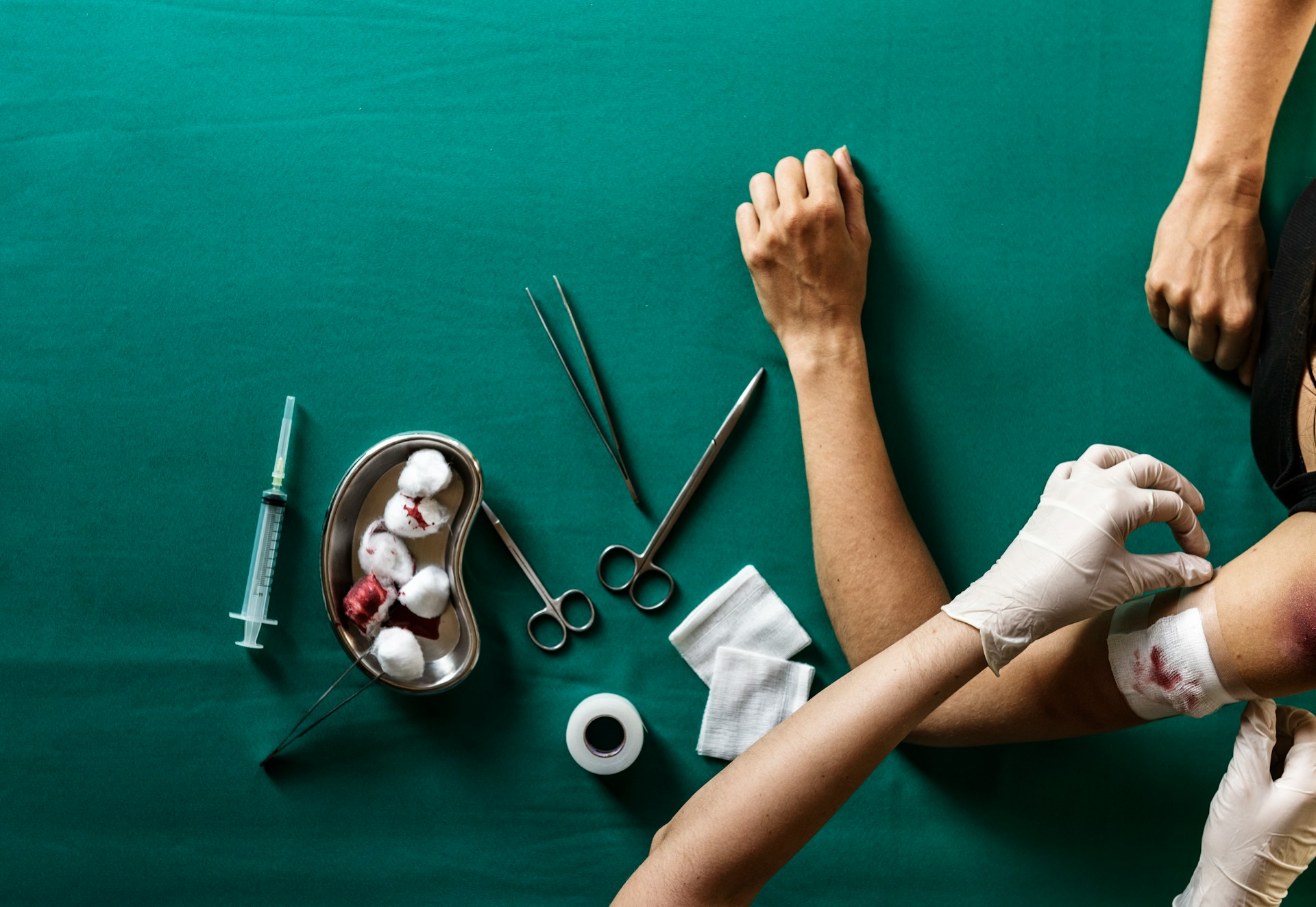
Advanced wound treatment in Irving means taking care of complex, slow-to-heal, or non-healing wounds with more than basic first aid. These are wounds that linger, keep reopening, or come with medical conditions that make healing difficult. For many people in our community, especially those already dealing with other health issues, the right kind of wound care can be the difference between steady recovery and serious complications.
Chronic wounds are becoming more common in areas like Irving, where diabetes, circulation problems, and limited mobility affect many adults. A small blister on a diabetic foot, a sore that develops on the heel after an illness, or a cut on a swollen leg can all turn into long-lasting wounds. When that happens, people often face daily pain, fear of infection, lost work time, and a loss of independence that can impact their entire life.
At Anchor Wound Management, we focus specifically on these complex problems. Our clinic serves Irving and the greater Dallas, Fort Worth area with advanced tools and hospital-level wound care in an outpatient setting. In this article, we will walk through when a wound becomes a serious concern, what advanced treatments look like, and how a coordinated approach can help Irving patients heal more safely and more comfortably.
When a Wound Becomes a Serious Health Risk
Not every cut or scrape needs advanced treatment. Many simple wounds heal within a couple of weeks with basic cleaning, bandaging, and common sense. When a wound is steadily getting smaller, less painful, and less red, it is usually following the normal healing path.
A wound becomes more serious when it lingers, worsens, or stops improving. In general, a wound that is not clearly better within 2 weeks, or not healed within 4 to 6 weeks, should be taken seriously. Chronic or complex wounds often fall into patterns we see frequently around Irving, such as:
Diabetic foot ulcers
Pressure injuries or bedsores on heels, hips, and tailbone
Venous leg ulcers related to vein disease and swelling
Arterial ulcers from poor circulation
Surgical wounds that reopen or fail to close
Radiation-related wounds that appear months or years after treatment
There are also clear warning signs that a wound needs advanced treatment, even before that 4-week mark. These include:
Persistent or spreading redness, warmth, or swelling
Increasing drainage, especially if it is thick, green, or foul-smelling
Yellow, gray, or black tissue in the wound bed
Pain that is getting worse, not better
Visible bone, tendon, or deep tissue
Conditions that are common in our area, such as diabetes, obesity, heart disease, lymphedema, and a history of smoking, can all slow the body’s natural repair process. Blood flow may be reduced, nerves may not signal pain properly, and swelling can choke off fragile new tissue. What started as a small injury can grow into a major health threat.
Early referral to a specialized wound clinic can interrupt this cycle. By addressing problems before they escalate, we can often prevent hospitalization, amputation, or life-threatening infections, especially for high-risk residents of Irving.
Why Specialized Wound Clinics Deliver Better Outcomes
Advanced wound treatment in Irving is not just about a stronger ointment or a fancier bandage. It is about a team-based approach that looks at the whole person, not just the open area on the skin. In a specialized clinic like Anchor Wound Management, patients benefit from coordinated care that can involve wound-focused physicians, nurses, podiatrists, vascular specialists, and lymphedema professionals.
The first step is always a careful assessment. We look at circulation to see if enough blood and oxygen are reaching the wound. We check nerve function, especially in diabetic feet, where lost sensation can hide injuries. We consider signs of infection, nutrition status, pressure points, footwear, and support surfaces. The goal is to uncover why the wound is not healing, not just cover it up.
From there, we create an evidence-based care plan that usually includes several components:
Regular debridement to remove dead or infected tissue
Dressings that balance moisture, keeping the wound neither too wet nor too dry
Compression therapy when swelling or vein disease is present
Offloading devices or footwear changes to remove pressure from foot ulcers
Coordination with primary care or specialists to support blood sugar control
Specialized clinics also rely on tools like digital wound measurements and photo documentation. By tracking the size and appearance of a wound over time, we can tell quickly if healing is on track or if the plan needs to change. For Irving residents, having this dedicated wound expertise close to home reduces travel time, makes follow-up easier, and helps patients stay consistent with their care.
Advanced Treatments That Support Faster Healing
Some wounds need more than standard dressings and debridement. That is where advanced therapies come in. One of the most widely known is hyperbaric oxygen therapy. In this treatment, a patient breathes 100 percent oxygen in a pressurized chamber, which can increase the amount of oxygen delivered to injured tissues. For certain approved conditions, such as some diabetic foot ulcers, radiation injuries, and complex infections, this can support the body’s own healing processes.
Another important category involves biologic grafts and skin substitutes. These products act as a scaffold and often contain growth factors that help restart stalled healing. When a wound has been open for a long time and seems “stuck,” adding this kind of support can encourage new, healthy tissue to form.
For patients with leg and foot wounds, lymphedema care and edema management are also key. Swelling stretches the skin, restricts blood flow, and makes it easier for minor injuries to spiral into larger ulcers. Effective care may include compression bandaging or garments, manual lymphatic drainage, and guidance on movement, elevation, and skin care.
Aggressive infection control is another pillar of advanced wound care. Cultures can help identify specific bacteria, so antibiotics can be chosen thoughtfully. Certain dressings are designed to manage bacterial load and biofilm, the sticky layer that can protect germs and keep a wound from progressing.
At Anchor Wound Management, our role is to pull these tools together into a single, personalized plan for each patient in Irving. Instead of trying one treatment at a time in isolation, we coordinate therapies so they work together, which supports healing and helps reduce the chance that the wound will come back.
Bedside, Home, and Remote Care for Busy Irving Patients
Not every patient with a serious wound can easily travel to a clinic. Some are recovering from surgery, some live in long-term care settings, and others simply struggle with mobility or transportation. Bedside wound management, whether in a facility or at home, gives these patients access to advanced care where they are, while maintaining the same focus on thorough assessment and consistent treatment.
Telehealth and remote wound monitoring add another layer of support. With regular virtual check-ins and photo review, we can monitor progress between in-person visits, answer questions, and adjust instructions without requiring repeated trips. This is especially helpful in a large area like Irving and the greater DFW region, where traffic and distance can discourage frequent appointments.
Family caregivers are an essential part of this model. Through in-person teaching and virtual guidance, we help caregivers feel more confident about daily dressing changes, offloading strategies, nutrition support, and spotting early signs of infection or deterioration. When everyone is working from the same plan, small problems can be addressed before they turn into emergencies.
Continuity of care is also vital as a patient moves from hospital to home. A specialized wound clinic can help bridge that transition, clarify discharge instructions, and keep a close eye on healing in the weeks that follow. This can lower the risk of readmission and reduce last-minute ER visits.
For Irving residents with busy lives and complex health needs, flexible visit options, extended hours, and proactive follow-up make it more realistic to stay on track with treatment. Advanced wound treatment in Irving is not just about technology; it is about building a system of care that fits real people’s daily routines.
Take the First Step Toward Healing in Irving
If a wound has not improved within about 2 weeks, or has not healed within 4 to 6 weeks, it is time to look at advanced options, especially for anyone with diabetes, circulation problems, or lymphedema. Early attention can prevent a small issue from growing into a crisis.
Advanced wound treatment in Irving brings together careful assessment, specialized therapies like hyperbaric oxygen and grafts, strong infection control, and consistent follow-up. With a coordinated plan and a team focused on long-term healing, many patients can avoid serious complications, protect their limbs, and regain comfort and mobility. Chronic and complex wounds are challenging, but they do not have to be faced alone. With expert, compassionate care available locally, patients have real support in getting back to the activities and independence that matter most.
Get Personalized Support For Faster Wound Healing
When wounds are not improving, the right specialized care can make all the difference. At Anchor Wound Management, we provide targeted solutions through advanced wound treatment in Irving tailored to your specific needs. Our team will work closely with you and your providers to build a clear, step-by-step plan for healing. If you are ready to take the next step, contact us to schedule an appointment or ask questions about your options.