Care Tips
Wound Care at Home: Preparing a Backup Plan for Caregiver Absences
Learn how to prepare a reliable backup caregiver plan for wound care at home, ensuring continuous dressing changes, skin checks, and safety.
Published · Anchor Wound Management

Overview
- An unexpected caregiver absence can interrupt dressing changes, offloading schedules, and hygiene routines, putting tissue recovery at risk.
- Creating a written plan with clear instructions, labeled supplies, and emergency contacts ensures a secondary helper can step in safely.
- Hands-on training for an alternate family member or friend helps maintain clean technique and prevents common dressing errors.
- Recognizing critical warning signs like worsening redness, foul odor, or sudden pain allows backup caregivers to seek prompt medical advice.
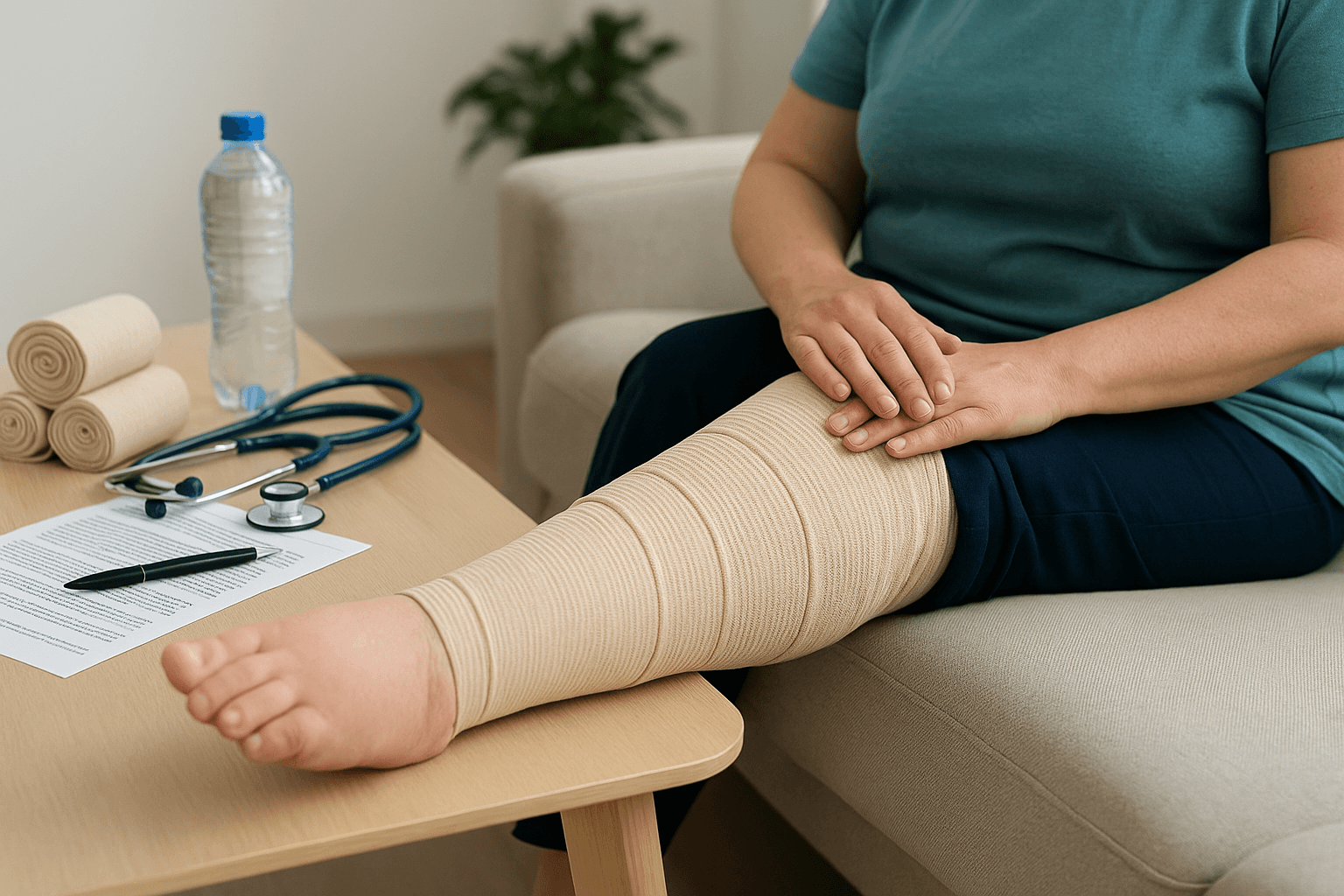
Managing a chronic or complex injury requires steady attention, patience, and strict adherence to clinical recommendations. When an individual relies on family members or loved ones for daily dressing changes and hygiene, managing wound care at home becomes a foundational part of the household routine. However, life is inherently unpredictable. Primary caregivers experience illness, personal emergencies, fatigue, and unexpected travel. Without a structured contingency strategy, even a brief interruption in care can lead to missed dressing changes, improper handling of fragile tissue, or delayed recognition of complications. Preparing a thorough backup plan ensures that your recovery proceeds without disruption, protecting both patient well-being and caregiver peace of mind.
Why Backup Caregiver Planning Is Essential for Wound Care at Home
Caregiving demands substantial mental and physical stamina. Family members frequently balance wound dressing protocols with medication management, meal preparation, work commitments, and their own personal responsibilities. According to MedlinePlus resources on caregiving, providing daily care is often stressful, making it vital for caregivers to seek outside support, access respite, and prioritize their own physical and emotional health. When primary caregivers push through burnout without taking breaks, the likelihood of procedural errors or exhaustion rises significantly.
A secondary care plan does not signify a failure of dedication. Instead, it serves as a safety net that protects the healing environment. Chronic wounds, including vascular ulcers, surgical incisions, and complex skin tears, require consistent humidity, clean handling, and timely offloading. A sudden 48-hour gap in dressing changes or pressure relief can reverse weeks of hard-earned tissue regeneration. Establishing a clear, pre-arranged roadmap ensures that any designated substitute can step in with confidence rather than panic.
Key Components of an Actionable Contingency Plan
To make a backup plan functional, organize critical details before an emergency arises. Scrambling to locate supplies or explain specialized dressings over the phone creates unnecessary stress.
Documenting Clear, Step-by-Step Instructions
Medical instructions can feel overwhelming to someone who does not perform them daily. Create a dedicated care binder or a clearly organized digital document that breaks down each phase of the routine.
- Cleaning protocols: Specify whether the wound is cleansed with sterile saline, a gentle commercial wound cleanser, or plain potable tap water as directed by your clinical team.
- Dressing application: Detail the exact sequence of layers. For instance, describe which side of a contact layer touches the wound bed, how an absorbent secondary foam is oriented, and how the dressing is secured without placing shear stress on adjacent fragile skin.
- Frequency and timing: Clearly document how frequently dressings must be replaced and whether specific activities, such as showering, require temporary protective coverings.
Referencing our guide on foundational habits for home wound management can help you outline these daily protocols in clear, accessible language.
Hands-On Training for a Designated Secondary Caregiver
Written instructions provide guidance, but hands-on practice builds actual competence. Select a secondary family member, trusted neighbor, or close friend and invite them to observe your normal routine during a calm, unhurried session.
Allow the secondary caregiver to watch a complete dressing change from start to finish. Emphasize hand hygiene, clean barrier setup, and proper disposal of soiled materials. Have them practice opening sterile packaging without touching the inner surface and demonstrate how to apply retention tape without stretching the skin. When a substitute helper has physically handled the supplies at least once, stepping into the primary role becomes much less daunting.
Organizing a Dedicated Supply Station
Running out of supplies during a caregiver transition disrupts care. Keep a two-week surplus of essential items organized in a clean, clearly labeled container:
- Primary and secondary dressings (foams, hydrogels, calcium alginates, or non-adherent contact layers as prescribed by the medical team).
- Cleansing solutions and sterile saline bottles.
- Medical-grade examination gloves in the correct sizes for both caregivers.
- Skin barrier films, adhesive removers, and skin-friendly silicone or paper tapes.
- Clean measuring guides or disposable trash liners for biohazard disposal.
Labeling containers with masking tape or printed labels ensures that a substitute helper does not confuse an enzymatic ointment with a protective barrier cream.
Maintaining Skin Protection and Mobility Routines
Wound management extends beyond dressing changes; it requires ongoing attention to surrounding tissue and body positioning. When primary helpers are absent, preventative habits are easily overlooked.
Patients with limited mobility or bed rest requirements are especially vulnerable to skin breakdown over bony prominences. As outlined by the MedlinePlus medical guidance on preventing pressure injuries, caregivers must inspect skin daily, reposition individuals frequently, utilize pressure-reducing cushions or specialized mattresses, keep skin clean and dry, manage excess moisture from incontinence, minimize friction during repositioning, support sound nutrition, and notify healthcare providers about new skin changes.
Ensure your backup caregiver understands how to identify early signs of localized tissue stress. Individuals managing bedsores and localized pressure damage require strict offloading schedules, such as alternating positions every two hours when in bed or shifting weight every fifteen minutes in a chair. Provide your secondary caregiver with a written positioning schedule, and demonstrate how to use lift sheets rather than pulling or dragging the patient across linens to avoid shear injuries.
Establishing an Escalation Protocol and Emergency Contacts
A contingency plan must outline when routine care is insufficient and professional medical evaluation is needed. Substitute caregivers must know whom to call and what signs demand urgent attention.
Compile a primary contact sheet and display it prominently on the refrigerator or inside the care binder. This sheet should list:
- The primary wound care clinic phone number and after-hours triage line.
- The patient's primary care physician and home health agency (if applicable).
- Preferred pharmacy details for prescription refills.
- Local emergency services and preferred hospital facility.
Train your backup caregiver to inspect the wound during every dressing change and seek prompt clinical advice if any of the following warning signs occur:
- Expanding erythema (redness) or warmth spreading beyond the wound edges.
- A sudden increase in drainage, or drainage that turns thick, cloudy, or foul-smelling.
- New or worsening pain that does not respond to standard pain management strategies.
- Systemic symptoms, such as fever, chills, confusion, or sudden lethargy.
- Sudden dark discoloration, black necrotic tissue, or rapid tissue breakdown.
Having these parameters clearly defined prevents hesitation and ensures rapid medical intervention before a localized complication escalates into a systemic emergency.
Professional Assistance and Collaborative Care
Transitioning between caregivers can be challenging, but families do not have to navigate these responsibilities alone. Partnering with specialized providers ensures clinical continuity and peace of mind. For patients residing across the Dallas–Fort Worth region who experience limited mobility, receiving mobile wound evaluation and management directly in the home setting bridges critical gaps during difficult caregiver transitions.
Whether you need to review an existing home care plan, schedule routine in-clinic evaluations, or coordinate specialized bedside care in Dallas–Fort Worth, our dedicated clinical team is prepared to assist you. To learn more about our comprehensive services or to schedule an evaluation, please reach out to our clinical staff today.
Sources
- U.S. National Library of Medicine, MedlinePlus. Caregivers.
- MedlinePlus Medical Encyclopedia. Preventing pressure injuries.