Wound Care Basics
Recognizing Non-Healing Surgical Wounds at Home in Dallas
Learn the early signs of non-healing surgical wounds and when to seek advanced wound care in Dallas Fort Worth to prevent complications and heal sooner.
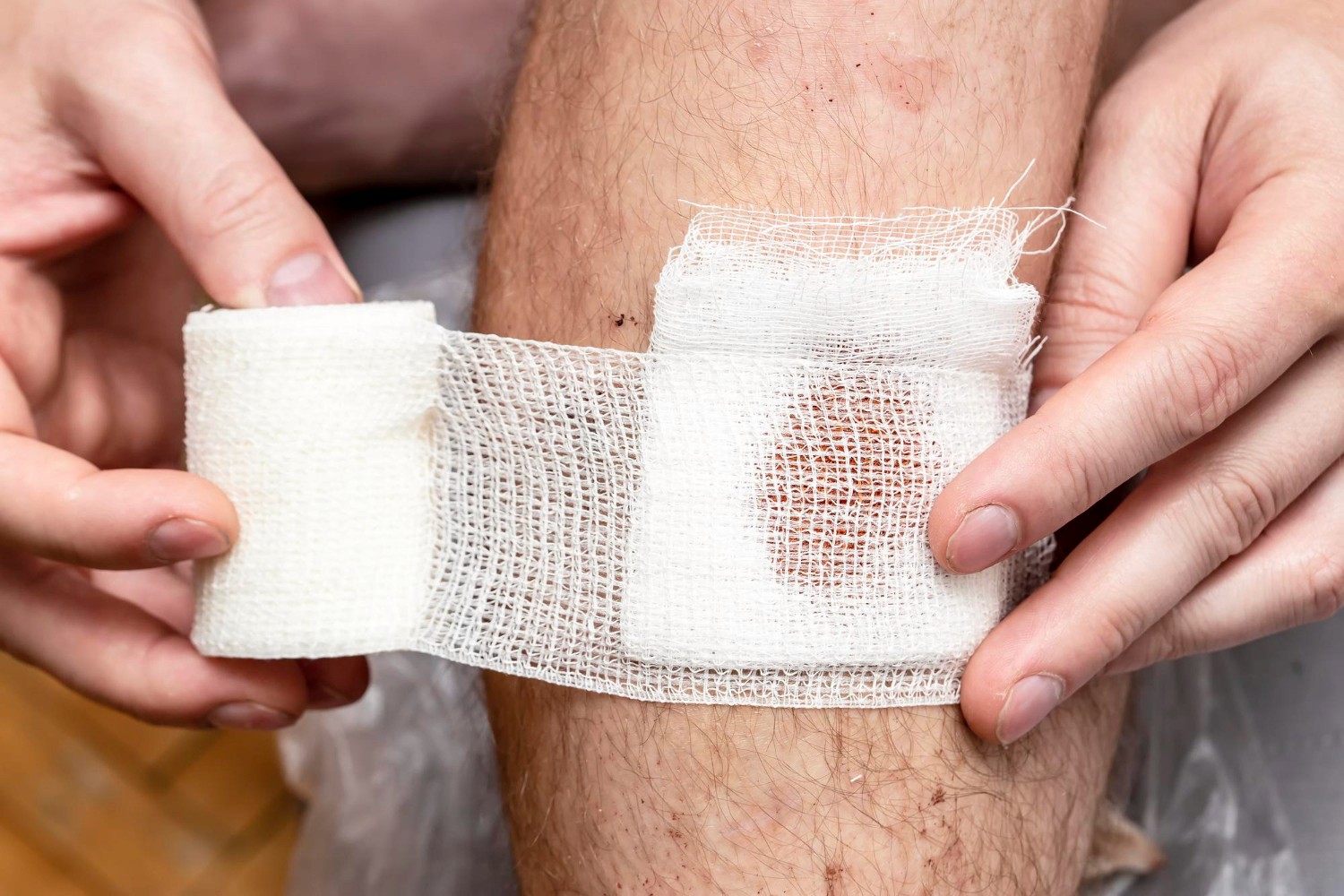
You expected your incision to slowly close, dry up, and fade. Instead it still looks raw, drains on the bandage, or hurts more than you thought it would.
When that happens, it is normal to feel worried and to wonder if something is going wrong. In wound care, we talk about "non-healing surgical wounds" when an incision does not move through the normal stages of healing within about 4 to 6 weeks, or when it takes a clear step backward.
In plain words, if your incision seems stuck or is getting worse instead of better, it may not be healing the way it should. Catching those changes early helps lower the chance of infection, surprise hospital visits, or even amputation in people at high risk.
People in Dallas and Fort Worth with diabetes, poor circulation, kidney disease, limited mobility, or recent major surgery need to be extra alert. The good news is that wound care support does not always mean another trip to the ER. Mobile wound care can bring a board-certified wound specialist to your bedside so you can heal at home when it is safe.
Key Takeaways
A non-healing surgical wound is one that stalls, worsens, or reopens instead of steadily closing.
Warning signs at home include new or increasing pain, redness, drainage, odor, or the edges pulling apart.
High-risk patients in Dallas and Fort Worth can often receive same-week, Medicare Part B-covered mobile wound care at the bedside so they can heal at home when it is appropriate.
Early evaluation by a board-certified wound specialist can help lower infection, rehospitalization, and amputation risk, based on guidance from sources like the CDC and NIH.
What Normal Surgical Healing Should Look Like
Right after surgery, the body moves through four basic phases: hemostasis (clotting), inflammation, proliferation (new tissue and skin growth), and remodeling (scar maturing). You do not have to remember those names, but you can watch the pattern.
Simple timelines most people can follow:
Days 1 to 3: more redness and tenderness, a small amount of blood or clear fluid on the dressing.
Days 4 to 10: less pain, less swelling, light clear or pale yellow drainage that slowly decreases.
Weeks 2 to 4: edges start to pull together, scab or new pink skin forms, pain keeps easing.
In general, normal healing looks like:
Mild soreness that improves a little each day
No foul odor
Swelling that does not keep growing
Dressings that are not suddenly soaked
A quick home checklist can help:
Color: Is the skin pink to light red, not dark red or purple spreading out?
Temperature: Is the area warm but not hot compared with the other side of your body?
Pain: Is it the same or better than three days ago, not sharply worse?
Drainage: Is there less on each dressing, not more?
Function: Can you move a bit easier, or at least not worse?
Different surgeries heal differently, and your discharge instructions from the surgeon should always be your first guide. Many people find it helpful to take phone photos with dates so trends are clear.
Those photos can be shared with a wound team that offers mobile wound care or with a clinic visit if something starts to look off. If your incision seems to fall off this normal pattern, it may be slipping into the non-healing category and needs a prompt look.
Red Flags of Non-Healing Surgical Wounds at Home
Certain changes are warning signs that a wound may not be healing well. Medical groups like the CDC and NIH link these signs with possible surgical site infection or wound breakdown (CDC, NIH surgical site infection guidance).
Red flags include:
Pain that increases after the first few days instead of easing
Redness or warmth spreading away from the incision
Thick yellow, green, or cloudy drainage
A new bad smell from the wound or dressing
Fever, chills, or feeling much more tired than you did last week
Edges pulling apart so you can see deeper tissue or stitches
In plain language, be concerned if:
Your bandage suddenly gets soaked when it was staying mostly dry
Your wound looks angrier, beefier, or gooier
You feel "flu-like" again after feeling better for a bit
You can see inside the wound more than before
Many people brush these off as "just healing." That delay can allow infection or breakdown to progress, which makes recovery harder.
Risk is higher if you have diabetes, peripheral artery disease, kidney disease, obesity, smoke, or take steroids or chemotherapy. In the Dallas and Fort Worth climate, sweat and friction under clothing, braces, or stockings can keep the area too moist and irritate the skin, which makes things worse year-round.
Non-healing surgical wounds often stall around 2 to 4 weeks, either not shrinking or slowly getting larger. If that is happening, call your surgeon.
If you cannot get in quickly, a same-week visit from a board-certified wound specialist through mobile wound care at your bedside in Dallas and Fort Worth can help get the wound back on track so you can heal at home when it is safe. Teams that routinely manage non-healing incisions also treat other problems like the ones listed under surgical and chronic wounds on the conditions page.
When to Call for Help Versus Going to the ER
It can be hard to know when a problem can be checked at home or in a clinic, and when it needs the ER. Use this simple comparison as a guide, and when in doubt, follow emergency instructions from your surgeon or primary doctor.
Deciding Between Mobile Wound Care and the ER
Situation | What it often means | Likely next step |
|---|---|---|
Slow but steady wound, mild new concern | Healing is mostly on track but needs a check | Home or clinic visit with mobile wound care the same week, with updates sent to your surgeon |
New or worsening drainage without fever | Possible early infection or irritation | Call the surgeon and arrange a visit with a board-certified wound specialist at your bedside or in clinic |
Fever over 101°F with red streaks or rapidly spreading redness | Possible serious infection | Go to the ER, then plan follow-up with a wound care team once you are stable |
Sudden heavy bleeding or the wound gaping wide open | Possible emergency surgical issue | Call emergency services or go to the ER right away, not just home care |
According to Medicare.gov, medically necessary wound care services like debridement and complex dressings can be Medicare Part B-covered when ordered by a physician and documented correctly (Medicare.gov, Wound Care Coverage). Teams that focus on mobile wound care help with that paperwork so patients can focus on recovery.
As one physician, Dr. Brandon Elrod, DO, FAPWCA, a board-certified wound specialist, often says, "Catching a struggling incision early lets us adjust the plan before infection or breakdown forces another hospital stay."
If you need more advanced help, such as negative pressure therapy or even hospital-based options like hyperbaric oxygen therapy, your wound doctor can connect you to the right setting and coordinate with your other care teams.
Daily Home Care Checklist and When Healing Is Not Possible
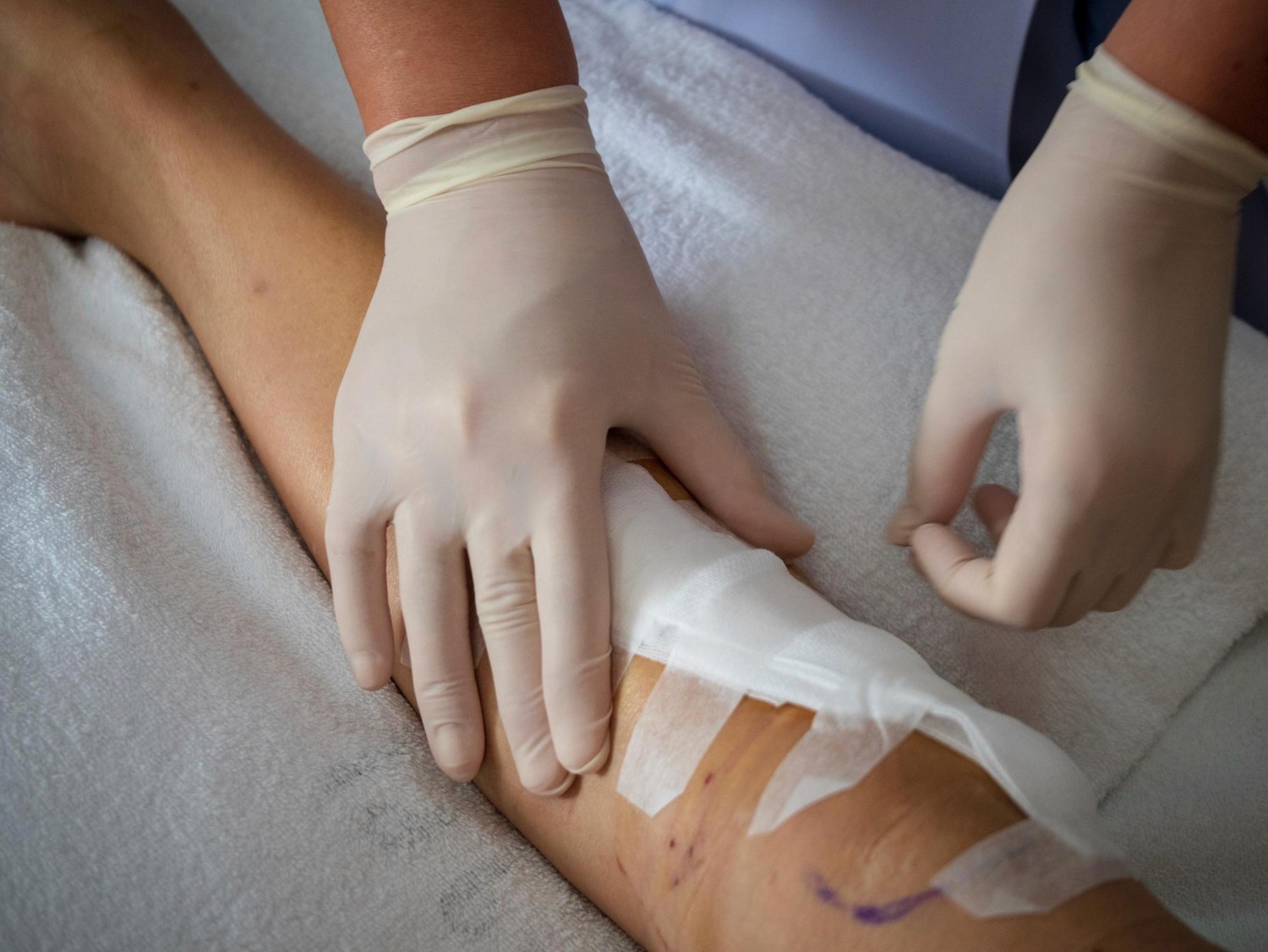
A simple morning and evening routine can support healing and make it easier for a mobile wound team at your bedside to see patterns.
Basic steps:
Wash your hands well before touching the dressing.
Gently remove the old dressing as instructed.
Take a quick look at color, drainage, and odor.
Clean the area only as your surgeon or wound specialist ordered.
Place the new dressing exactly as taught so it is snug but not tight.
Clinically, this lowers bacteria and keeps the wound at the right moisture level. In plain words, you want it clean, not soaking; moist, not mushy; and protected, not smothered.
Many people do well with a simple wound log:
Date and time
Pain score from 0 to 10
Drainage amount and color
A quick photo
Any new symptoms such as fever or chills
That record helps your wound team and can support medical need for advanced treatments when they are required.
Common home mistakes include:
Adding over-the-counter ointments that were not approved by your surgeon or wound specialist
Skipping dressing changes to "let it air out"
Wearing tight clothes or braces that rub the incision
Ignoring small changes because you "do not want to bother anyone"
In the Dallas and Fort Worth area, pay extra attention to sweat and humidity throughout the year. Try to keep dressings dry during showers and note if sweat is soaking the bandage.
If skin around the wound becomes fragile, red, or itchy, or your dressing is often soaked, that is a good reason to seek a same-week review with a wound professional who understands local home conditions and can provide mobile wound care.
We also want to be honest: some non-healing surgical wounds cannot fully close because of severe circulation problems, resistant infection, or serious illness. In those cases, the goals shift.
Care focuses on preventing more breakdown, lowering the chance of amputation when possible, controlling pain, and giving you as much time at home as is safely possible. A structured approach, informed by experience such as Captain, US Army (Ret.) service in complex wound settings, helps keep that plan steady and clear.
If you want to understand more about how different wound types behave, resources like the conditions overview and educational material for wound care teams can offer added context as you talk with your own doctors.
FAQs About Non-Healing Surgical Wounds in Dallas
What Counts as a Non-Healing Surgical Wound?
A surgical wound is often called non-healing when it fails to move through normal healing phases within about 4 to 6 weeks or shows a clear setback, such as new breakdown or deep infection, as described in NIH wound healing reviews (NIH wound healing literature). In everyday terms, if the incision stops improving or starts to look worse, it may be non-healing. The next step is to tell your surgeon and ask about evaluation by a wound-focused clinician.
How Long Should I Wait Before Worrying About My Incision?
The CDC notes that most surgical sites should gradually improve over the first few weeks, with less pain, swelling, and drainage, not more (CDC surgical site infection guidelines). If you see increasing redness, pain, or drainage that lasts more than a couple of days, especially after the first week, do not wait and hope it goes away. Call your surgical team and ask if you also need a wound care review, either in clinic or through mobile wound care.
Can Mobile Wound Care Really Replace a Hospital Stay?
For some patients, careful home-based wound management with appropriate dressings, infection checks, and regular measurements can help avoid or shorten hospital stays, as supported by wound care literature in peer-reviewed journals. In plain language, if your overall condition is stable, many parts of wound care can be done safely at your bedside. Your surgeon and wound doctor together decide when home care is enough and when the ER or hospital is safer.
Is Home Wound Care Medicare Part B Covered?
Medicare.gov explains that Medicare Part B can cover medically necessary wound care, including some debridement and dressing services, when ordered and documented by a physician (Medicare.gov, Part B coverage). For you, that means many bedside services may be covered if the wound meets medical need rules. Always ask your care team to review your specific coverage and confirm what applies in your case.
What Should I Bring up with My Surgeon If My Wound Is Not Healing?
Share clear facts: how pain, redness, drainage, or odor have changed, any fevers, and whether the wound is getting larger. In simple terms, describe what is different from last week and show photos if you have them. Then ask directly if you should see a board-certified wound specialist for ongoing care, including mobile wound care options so you can heal at home when appropriate.
Can Every Non-Healing Surgical Wound Be Saved From Amputation?
Research and clinical guidelines show that thorough wound care and good blood flow can lower the risk of amputation in many patients, especially those with diabetes or vascular disease (peer-reviewed vascular and wound care studies). Still, some wounds progress despite every effort. The goal is always to understand your personal risk, act early, and, when amputation cannot be avoided, protect the remaining limb and keep you as active and comfortable as possible at home when it is safe.
Talk with a Mobile Wound Care Specialist
If you are worried your surgical incision is not healing, you do not have to figure it out alone. A board-certified wound specialist can review your wound, coordinate with your surgeon and primary care team, and arrange same-week mobile wound care at your bedside in many cases so you can heal at home when possible.
Take Control Of Your Surgical Wound Healing Today
If you are struggling with non-healing surgical wounds, our team at Anchor Wound Management is ready to help you understand your options and create a tailored care plan. We combine advanced wound therapies with close follow-up to support safer, more comfortable healing. Reach out to contact us so we can review your situation and recommend next steps. Together, we can work toward protecting your health and preventing complications.