Care Tips
Post Surgical Wound Care: Questions to Ask Before Leaving the Hospital
Prepare for hospital discharge with this checklist on post surgical wound care. Learn essential questions on dressings, bathing, activity, and red flags.
Published · Anchor Wound Management

Overview
- Asking detailed questions before discharge prevents confusion and reduces the risk of post-operative complications at home.
- Clear instructions on dressing changes, bathing guidelines, and physical movement protect delicate surgical incisions during early recovery.
- Knowing specific warning signs like fever, foul drainage, and spreading redness helps you identify complications early.
- Having direct contact information for your surgical and wound care providers ensures prompt answers when unexpected issues arise.
Leaving the hospital after surgery can feel overwhelming, especially when you are handed a stack of paperwork while still recovering from anesthesia or pain medication. Understanding your post surgical wound care plan is vital for supporting your body's natural healing process and preventing unnecessary complications. While the hospital nursing team will review basic discharge instructions, asking proactive, detailed questions before you leave ensures you and your family caregivers feel fully prepared. Incisions require careful observation, proper hygiene, and specific handling depending on how they were closed. Taking time to clarify every aspect of your daily recovery routine eliminates guesswork once you are home and resting in your own environment.
Clarifying Your Post Surgical Wound Care Dressing Instructions
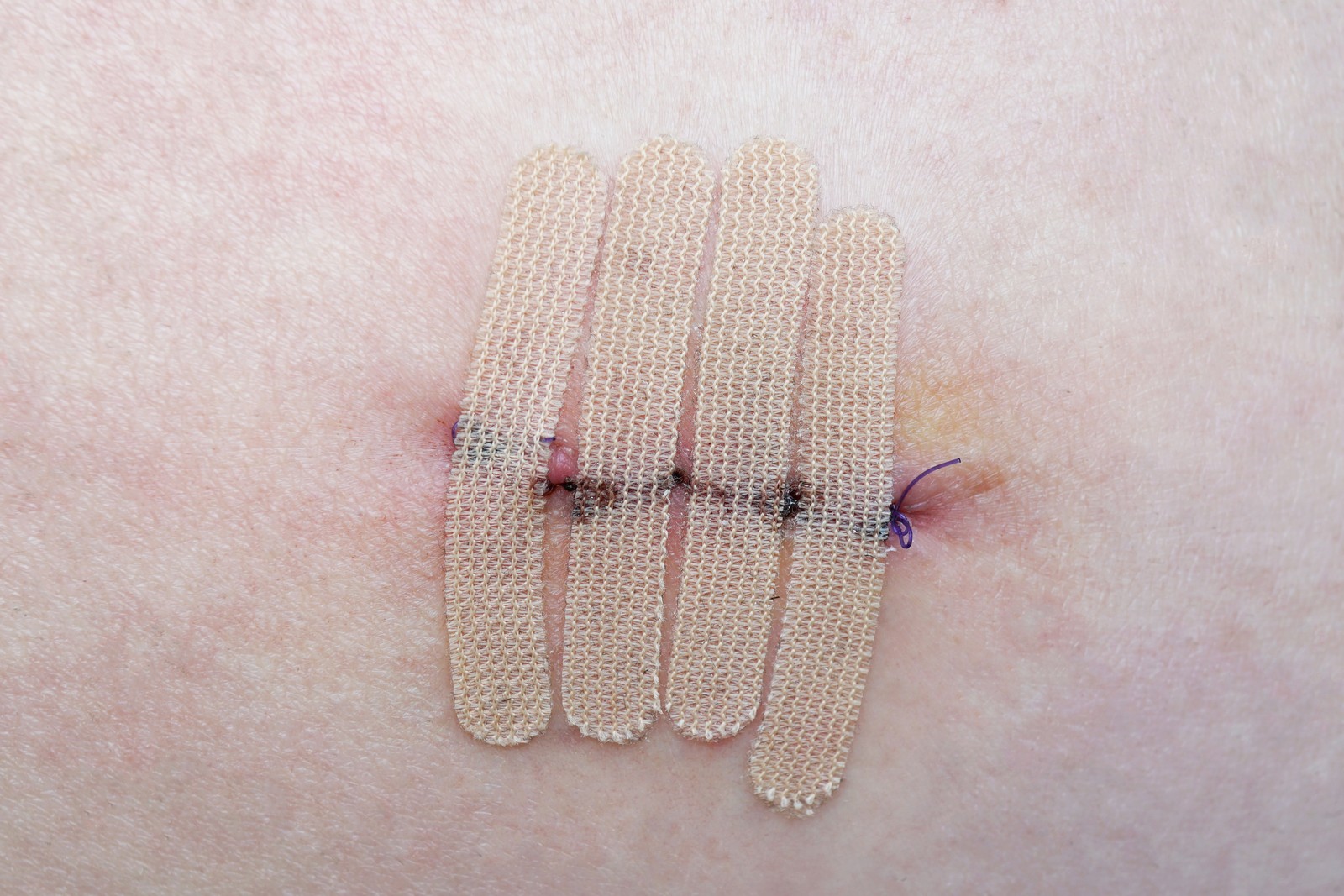
The materials placed over your incision serve to protect vulnerable tissue from environmental contaminants, absorb excess fluid, and maintain an appropriate moisture balance. Before departure, ask your discharge nurse or surgical team exactly what supplies you need, how often dressings must be replaced, and whether the wound should remain covered at all times. Inquire whether your incision has dissolvable sutures, external staples, or adhesive strips. Each closure method requires distinct handling; for instance, skin adhesive should never be scrubbed, and surgical tape strips are typically left to fall off naturally.
Ask for a physical demonstration of the dressing change process before leaving your room. Request that a nurse walk you or your caregiver through the proper hand hygiene technique, packaging removal, and application steps. According to MedlinePlus guidelines on surgical wound care, patients must strictly adhere to their healthcare provider's specific instructions regarding cleansing solutions and dressing changes, always washing hands thoroughly with soap and water before and after touching the site. Confirm whether you should cleanse the area with sterile saline, mild soapy water, or leave it entirely untouched until your first clinic visit. Clarify which supplies you take home and where to buy approved replacements. Understanding these specifics protects patients managing complex surgical wound recovery from accidental trauma or contamination.
Bathing, Showering, and Water Exposure
One of the most common points of confusion after surgery involves personal hygiene and water safety. Moisture can soften healing skin edges or introduce municipal water bacteria into a fresh incision. You should directly ask when you are permitted to shower, whether the incision can get wet, and how you should dry the surrounding skin.
Most surgeons have strict timelines before allowing running water to hit an incision, and submerged bathing—such as sitting in a bathtub, soaking in a hot tub, or swimming in a pool—is universally restricted until skin edges seal completely. Ask if you need to use plastic wrap, waterproof barrier films, or specialized covers during your shower. Inquire whether gentle soap runoff is acceptable or if you must wash around the site using a damp washcloth. Confirm whether to pat the area dry with a clean towel or let it air-dry before applying dressings. Never assume that standing under running water is harmless without explicit clearance from your surgical team.
Physical Activity, Lifting, and Movement Restrictions
Physical stress on an incision can cause mechanical strain, leading to wound edge separation, known clinically as dehiscence. Before heading home, ask about your precise activity restrictions, lifting limits, and movement precautions. Surgeons routinely specify a weight limit—often five to ten pounds—for several weeks, but daily movements like bending, twisting, climbing stairs, or reaching overhead can also place tension on deep tissue closures.
Ask your team whether you need to support your incision with a pillow or abdominal binder when coughing, sneezing, or transitioning from lying down to sitting. Clarify whether walking is encouraged and what distance or duration is appropriate during each phase of your recovery. If you work or care for young children, discuss exact timelines for resuming those duties safely. For individuals experiencing mobility limitations or severe fatigue, asking about in-home clinical support or mobile bedside wound services before hospital discharge can ensure consistent, expert dressing changes and skin assessments without the physical exhaustion of frequent clinic travel.
Communication Channels and Follow-Up Visits
Discharge paperwork typically includes follow-up information, but phone numbers are often general hospital lines that lead to automated answering menus. Before you walk out the door, ask exactly which clinic, provider, or triage line you should call during regular business hours, as well as who answers after hours or on weekends.
Ask when your first post-operative checkup should occur and who is responsible for scheduling it. Inquire whether staples or non-absorbable sutures will be removed at that appointment or if a specialized wound specialist needs to be involved. While surgeons oversee immediate recovery, slow-healing or high-risk surgical sites frequently benefit from dedicated wound specialists. Having your primary surgical contact, specialty wound contacts, and follow-up calendar mapped out prior to departure reduces anxiety and prevents delayed appointments.
Recognizing Complications and Warning Signs
Understanding what is normal versus what indicates an emerging complication empowers you to seek intervention before minor issues escalate. Mild swelling, bruising, and faint pinkness along an incision are expected parts of initial tissue inflammation. However, distinct changes in your surgical site warrant immediate clinical evaluation.
Ask your discharge team which specific symptoms require an urgent call to the surgeon and which require emergency department evaluation. As outlined in the MedlinePlus medical reference on surgical wound infection treatment, common warning signs of infection include spreading redness, increased warmth around the incision, purulent or foul-smelling pus, worsening localized pain, and systemic fever. When an infection develops, medical management may involve culture-guided antibiotics, surgical opening and irrigation, tissue debridement to remove non-viable margins, wound packing, or negative pressure wound therapy, depending on the clinical assessment of the care team.
Furthermore, educate yourself on mechanical failure symptoms. If you notice fluid seeping through dressings rapidly, incision edges pulling apart, or deep tissues bulging, contact your surgical provider immediately. Reviewing warning signs of non-healing incisions allows you to distinguish temporary inflammation from true post-operative complications, ensuring you receive timely medical attention rather than waiting for scheduled follow-up visits.
Ensuring a Safe Transition Home
Returning home is an important step in your surgical recovery, but leaving without clear instructions creates unnecessary stress. Never feel rushed during the discharge process; asking questions, writing down provider answers, and ensuring family caregivers understand the daily routine protects your surgical outcome.
If your incision shows signs of delayed healing, drainage concerns, or requires advanced clinical dressing protocols after discharge, specialized outpatient support is readily accessible. At Anchor Wound Management, our dedicated team provides comprehensive clinical evaluation and advanced treatment plans across the Dallas–Fort Worth region, offering care both in our regional clinics and directly at your bedside. If you or a loved one requires specialized post-operative incision care, contact our clinical team today to schedule an evaluation and support your recovery with expert wound guidance.
Sources
- MedlinePlus, U.S. National Library of Medicine. Surgical wound care - open.
- MedlinePlus, U.S. National Library of Medicine. Surgical wound infection - treatment.